
DbcultAccessing Vault...
Director's Spotlight
Senior Film Conservator
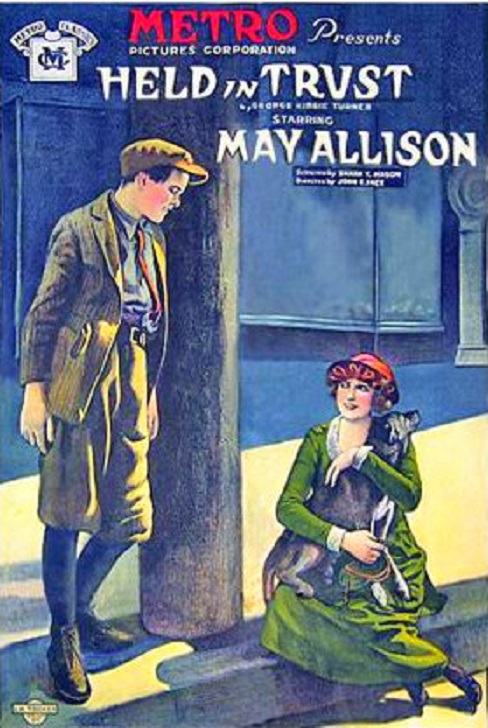
Director's Spotlight: United States
A Deep Dive into the 1920 Vision of John Ince
Few works in United States cinema carry the same weight as Held in Trust, especially regarding the cultural zeitgeist captured so perfectly by John Ince in 1920. Utilizing a 1920-specific aesthetic that remains timeless, it serves as a blueprint for future generations of Romance directors.
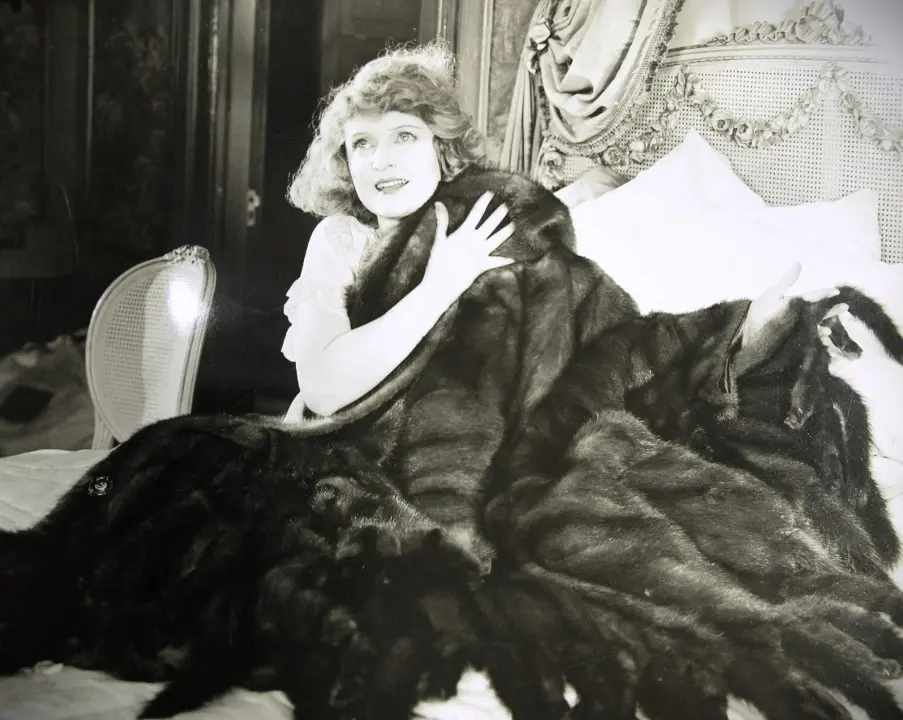
In Held in Trust, John Ince pushes the boundaries of conventional narrative. The film's unique approach to its subject matter has sparked endless debates and interpretations among cinephiles and critics alike.
| Cinematography | Static |
| Soundtrack | Diegetic |
| Editing | Rhythmic |
| Art Direction | Naturalist |
Visualizing the convergence of John Ince's style and the core Romance narrative.
Unknown to her, Mary Manchester is a double for the ailing Mrs. Adelaide Rutherford, a wealthy woman who has been driven insane by her husband's cruelty. Rutherford is in league with Jasper Haig and Dr. Babcock. Together these men hold in trust sixty million dollars which upon Adelaide's death will revert to her brother Stanford Gorgas. Fearful of Adelaide's imminent death, the conspirators plan to substitute Mary in her place, thus preventing Gorgas from inheriting the money. After imprisoning Mary in Adelaide's house, their plan backfires when Gorgas meets her and, suspecting something is wrong, learns of Mary's plight. After Gorgas helps Mary escape, she is recaptured by Haig, who decides he must now eliminate Gorgas. Assuming that a fluttering behind the curtain is his adversary, Haig takes aim and shoots, only to kill Rutherford instead, thus freeing Mary to spend her future with Gorgas.
Decades after its release, Held in Trust remains a vital piece of the cinematic puzzle. Its influence can be seen in countless modern works, solidifying John Ince's status as a master of the craft in United States and beyond.