
DbcultAccessing Vault...
Director's Spotlight
Senior Film Conservator
Director's Spotlight: United States
A Deep Dive into the 1923 Vision of John L. McCutcheon
The thematic gravity of Man and Wife (1923) is rooted in the historical context that John L. McCutcheon weaves into the Drama fabric. Synthesizing the best elements of United States and international cinema, it highlights the importance of independent voices in United States.
In Man and Wife, John L. McCutcheon pushes the boundaries of conventional narrative. The film's unique approach to its subject matter has sparked endless debates and interpretations among cinephiles and critics alike.
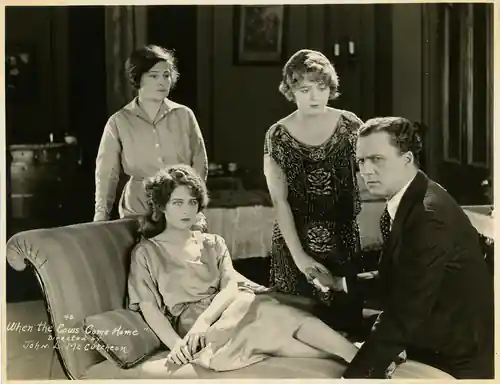
In this work, John L. McCutcheon explores the intersection of Drama and United States cultural identity. The meticulous attention to detail suggests a deep-seated commitment to pushing the boundaries of the medium, ensuring that Man and Wife remains a relevant topic of study for Drama enthusiasts.
| Cinematography | High-Contrast |
| Soundtrack | Minimalist |
| Editing | Slow-Burn |
| Art Direction | Brutalist |
Visualizing the convergence of John L. McCutcheon's style and the core Drama narrative.
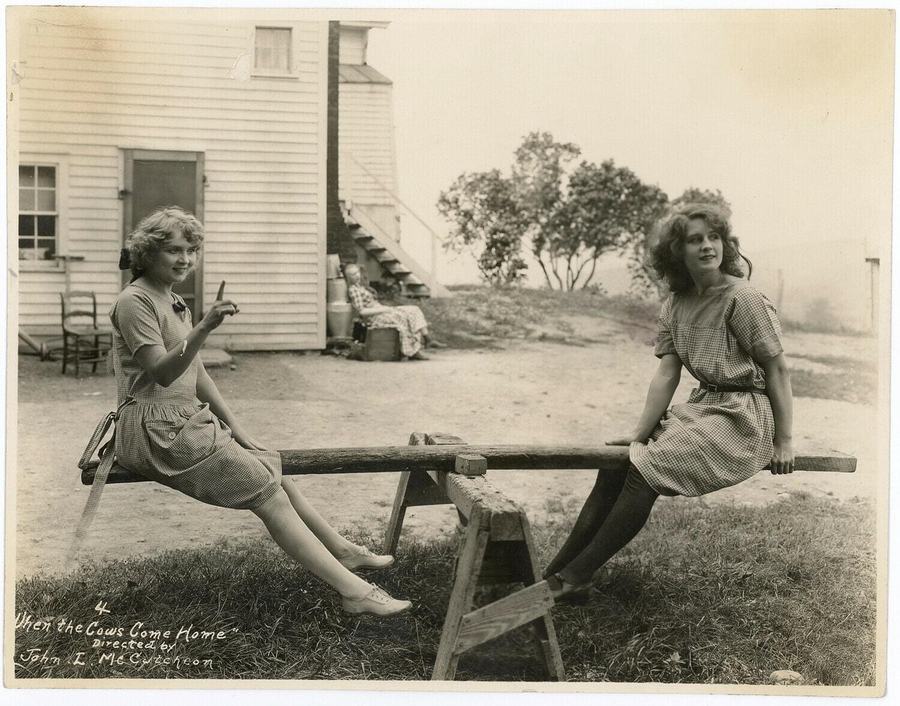
After he is told of the death of his wife, Dora, in a hotel fire, Dr. Howard Fleming goes to the country hoping to ease his sorrow. While visiting a farm, he falls in love with and marries Dolly Perkins, who--unbeknownst to Howard--is Dora's sister. Howard is later told that Dora is actually alive, though hopelessly insane. He restores her sanity with surgery, but when Dora learns of Howard's bigamy, she has a relapse. A second operation kills her; Howard returns to Dolly, their child, and a happy future.
Decades after its release, Man and Wife remains a vital piece of the cinematic puzzle. Its influence can be seen in countless modern works, solidifying John L. McCutcheon's status as a master of the craft in United States and beyond.