
DbcultAccessing Vault...
Director's Spotlight
Senior Film Conservator
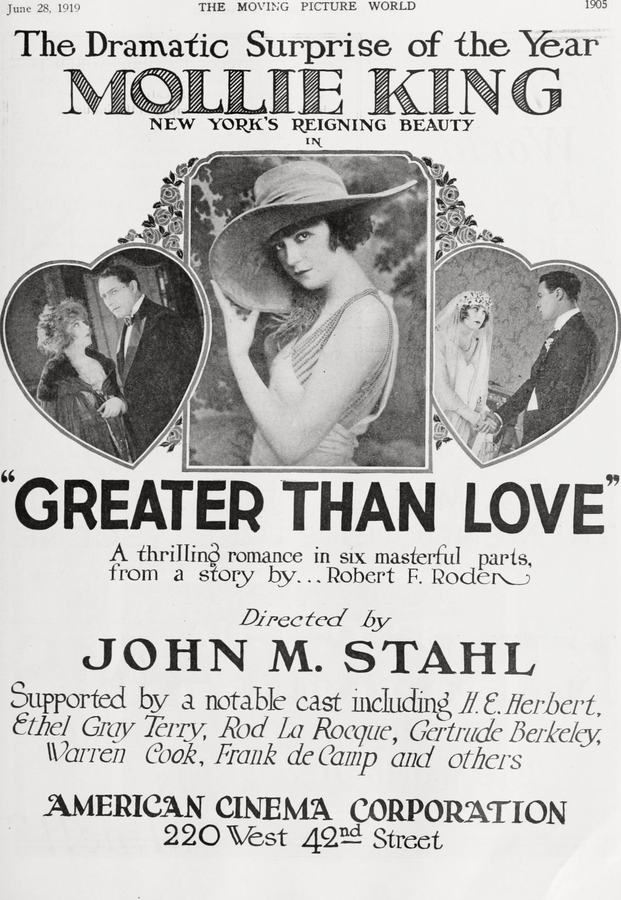
Director's Spotlight: United States
A Deep Dive into the 1919 Vision of John M. Stahl
Peeling back the layers of John M. Stahl's Greater Than Love exposes the collaborative alchemy between John M. Stahl and the 1919 creative team. Anchored by a narrative that is both personal and universal, it reinforces the idea that cinema is a medium of infinite possibilities.
In Greater Than Love, John M. Stahl pushes the boundaries of conventional narrative. The film's unique approach to its subject matter has sparked endless debates and interpretations among cinephiles and critics alike.
While deeply rooted in United States, Greater Than Love has achieved a global reach, influencing directors from various backgrounds. Its ability to translate cult tropes into a universal cinematic language is why it remains a cult staple decades after its 1919 release.
| Cinematography | Handheld |
| Soundtrack | Diegetic |
| Editing | Elliptical |
| Art Direction | Expressionist |
Visualizing the convergence of John M. Stahl's style and the core cult narrative.
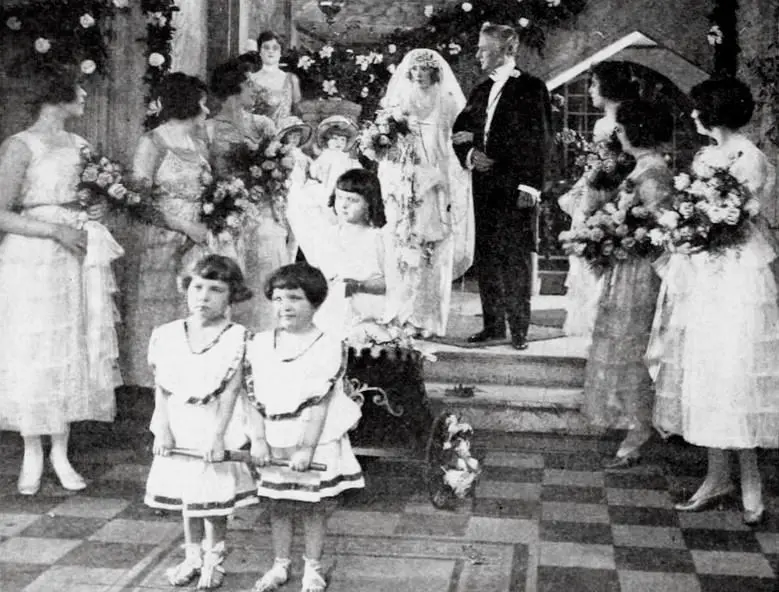
Faced with deciding between two suitors, James Brunton and Bob Standing, Grace chooses James. Aristocratic Mr. Brunton gives his son James a sumptuous wedding at home, which is interrupted when the father is suddenly shot through a window. Before he dies, Mr. Brunton speaks with James, making him promise not to apprehend the murderer. Later, the marriage is troubled when Grace is led to believe that James is involved with another woman, Helen, and is giving her money. Crushed, Grace leaves home and has a miscarriage after settling in another town. Meanwhile, James believes that she has run off with Bob. One day, James has a car accident and is taken to Grace's house nearby, where she cares for him. The mystery is solved with the arrivals of Helen and Bob, when it is revealed that Helen is actually James's sister, and that Mr. Brunton had abandoned Helen's mother Alice years before. Mr. Brunton knew that it was Alice who had shot him, and he wanted James to try to make up for his neglect of the mother and daughter. Bob then becomes interested in Helen, and James and Grace are reconciled.
Decades after its release, Greater Than Love remains a vital piece of the cinematic puzzle. Its influence can be seen in countless modern works, solidifying John M. Stahl's status as a master of the craft in United States and beyond.