
DbcultAccessing Vault...
Director's Spotlight
Senior Film Conservator
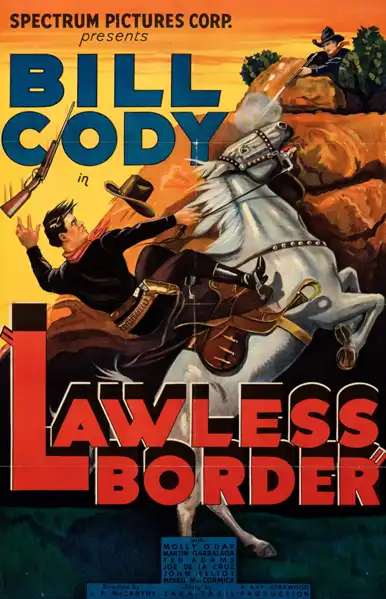
Director's Spotlight: United States
A Deep Dive into the 1935 Vision of John P. McCarthy
Analyzing Lawless Border (1935) requires a deep dive into the unique directorial voice that John P. McCarthy brought to the screen. By challenging the status quo of 1935 cinema, it continues to spark endless debates among critics and cinephiles alike.
In Lawless Border, John P. McCarthy pushes the boundaries of conventional narrative. The film's unique approach to its subject matter has sparked endless debates and interpretations among cinephiles and critics alike.
In this work, John P. McCarthy explores the intersection of Western and United States cultural identity. The meticulous attention to detail suggests a deep-seated commitment to pushing the boundaries of the medium, ensuring that Lawless Border remains a relevant topic of study for Western enthusiasts.
| Cinematography | High-Contrast |
| Soundtrack | Synth-Heavy |
| Editing | Rhythmic |
| Art Direction | Naturalist |
Visualizing the convergence of John P. McCarthy's style and the core Western narrative.
Border Patrolman Bill Roberts, posing as outlaw Whitey Jones, and his Mexican pal, Sanchez, through trickery, join a band of smugglers and revolutionists. Bill meets Mary Warren, sister of gang leader Jack Warren, whom Mary believes is trying to make good in honest ventures. Bill falls in love with Mary and tries to get her away before the roundup of the bandits. The gang learns that Bill and Sanchez are government men and trick them into the rebel's headquarters, where they are sentenced to die as traitors. Bill gets away and, while the Border Patrol is rounding up the gang, rides to the Warrens' house. He meets Jack and orders him to surrender. Mary, trying to protect her, she thinks, innocent brother shoots Bill. Jack realizes his sister's predicament and confesses and surrenders to the barely-wounded Bill.
Decades after its release, Lawless Border remains a vital piece of the cinematic puzzle. Its influence can be seen in countless modern works, solidifying John P. McCarthy's status as a master of the craft in United States and beyond.