
DbcultAccessing Vault...
Director's Spotlight
Senior Film Conservator
Director's Spotlight: United States
A Deep Dive into the 1920 Vision of John P. McCarthy
Witnessing the stylistic transformation of cult through Out of the Dust reveals the provocative questions that John P. McCarthy poses to the United States audience. Exploring the nuances of the human condition with cult flair, it showcases the power of cult as a tool for social commentary.
In Out of the Dust, John P. McCarthy pushes the boundaries of conventional narrative. The film's unique approach to its subject matter has sparked endless debates and interpretations among cinephiles and critics alike.
In this work, John P. McCarthy explores the intersection of cult and United States cultural identity. The meticulous attention to detail suggests a deep-seated commitment to pushing the boundaries of the medium, ensuring that Out of the Dust remains a relevant topic of study for cult enthusiasts.
| Cinematography | Static |
| Soundtrack | Minimalist |
| Editing | Disjunctive |
| Art Direction | Baroque |
Visualizing the convergence of John P. McCarthy's style and the core cult narrative.
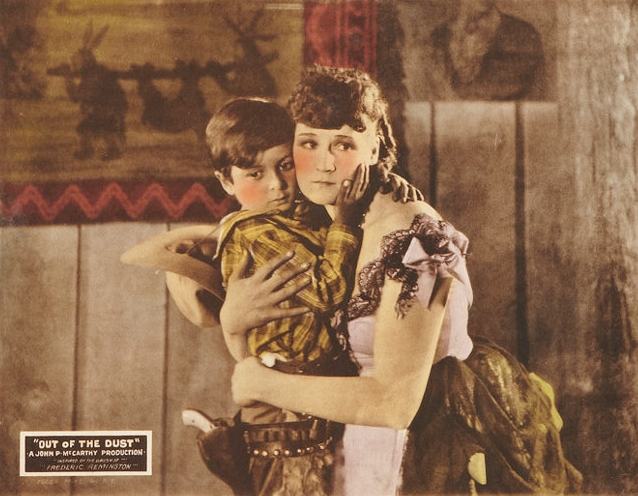
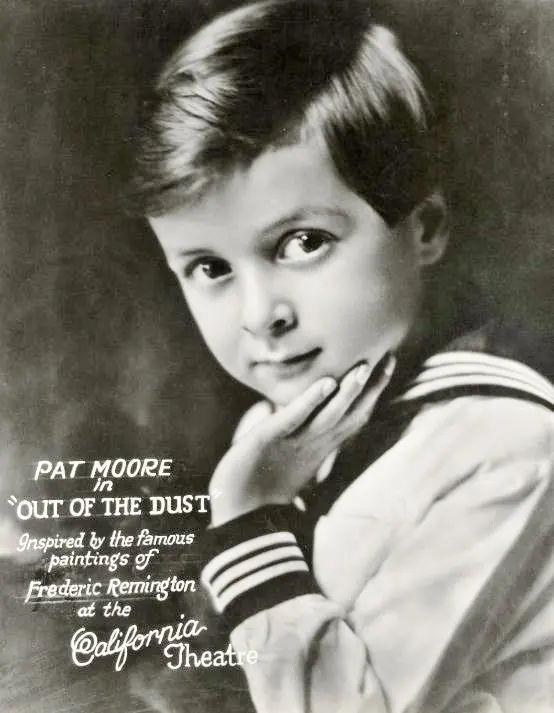
John Evans tells his grandson about the exciting days of '75 in the West. At Fort Sheridan, Captain Evans fights the Indians of the plains, while his wife Martha grows bored of the monotonous life at the fort. One day, while Evans is helping to rescue a wagon train surrounded by Indians, Martha elopes with trapper Brett Arnold. When Evans returns, he resigns from the army and takes his young son Jimmie to Montana, where he becomes a ranch foreman. Martha, who immediately became disgusted with the drunken Arnold and jumped from their stagecoach during their elopement, now sings in dance halls to earn a living. A year later, when Evans -- who has kept away from women -- and Jimmie are in Red Butte for trading, Jimmie's dog runs into a saloon. Jimmie follows and finds his mother. After Evans thrashes Arnold, who also has found Martha, Jimmie reunites his parents.
Decades after its release, Out of the Dust remains a vital piece of the cinematic puzzle. Its influence can be seen in countless modern works, solidifying John P. McCarthy's status as a master of the craft in United States and beyond.