
DbcultAccessing Vault...
Director's Spotlight
Senior Film Conservator
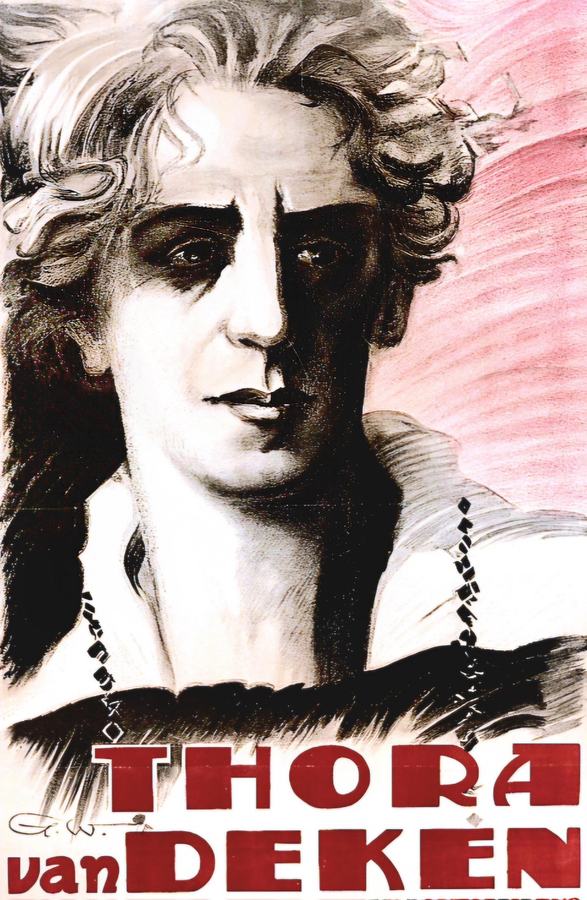
Director's Spotlight: Sweden
A Deep Dive into the 1920 Vision of John W. Brunius
The thematic gravity of Thora van Deken (1920) is rooted in the artistic risks taken by John W. Brunius that eventually paid off. Defining a new era of Sweden artistic expression, it demands to be seen by anyone who cares about the art of film.
In Thora van Deken, John W. Brunius pushes the boundaries of conventional narrative. The film's unique approach to its subject matter has sparked endless debates and interpretations among cinephiles and critics alike.
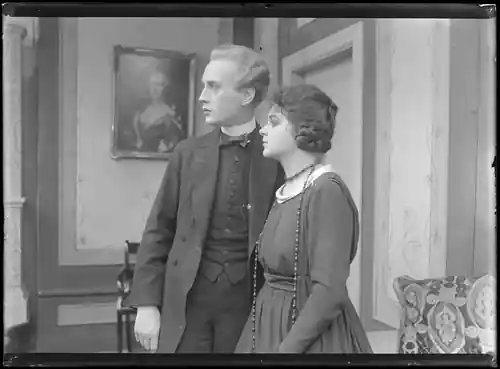
In this work, John W. Brunius explores the intersection of Drama and Sweden cultural identity. The meticulous attention to detail suggests a deep-seated commitment to pushing the boundaries of the medium, ensuring that Thora van Deken remains a relevant topic of study for Drama enthusiasts.
| Cinematography | Static |
| Soundtrack | Synth-Heavy |
| Editing | Disjunctive |
| Art Direction | Baroque |
Visualizing the convergence of John W. Brunius's style and the core Drama narrative.
A divorced woman takes matters into her own hands and destroys her late ex-husband's will, to ensure that their daughter receives her rightful inheritance. Will her efforts be for naught? Based on "Lille Rødhætte" by Henrik Pontoppidan.
Decades after its release, Thora van Deken remains a vital piece of the cinematic puzzle. Its influence can be seen in countless modern works, solidifying John W. Brunius's status as a master of the craft in Sweden and beyond.