
DbcultAccessing Vault...
Director's Spotlight
Senior Film Conservator
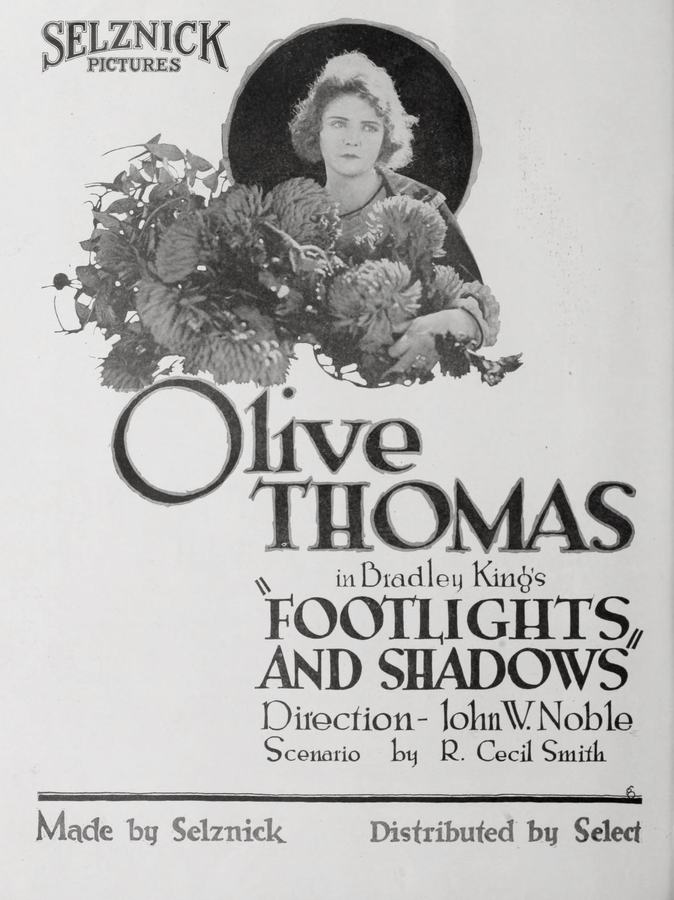
Director's Spotlight: United States
A Deep Dive into the 1920 Vision of John W. Noble
Few works in United States cinema carry the same weight as Footlights and Shadows, especially regarding the cultural zeitgeist captured so perfectly by John W. Noble in 1920. Utilizing a 1920-specific aesthetic that remains timeless, it serves as a blueprint for future generations of cult directors.
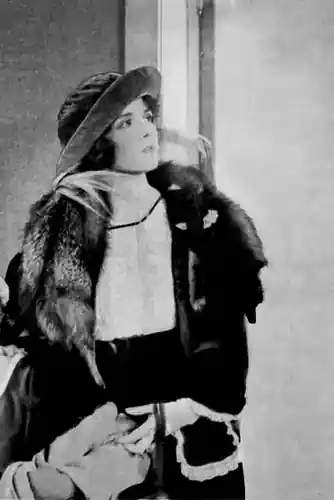
In Footlights and Shadows, John W. Noble pushes the boundaries of conventional narrative. The film's unique approach to its subject matter has sparked endless debates and interpretations among cinephiles and critics alike.
| Cinematography | Handheld |
| Soundtrack | Minimalist |
| Editing | Slow-Burn |
| Art Direction | Brutalist |
Visualizing the convergence of John W. Noble's style and the core cult narrative.
A fortune-hunting follies star Gloria Dawn ( Olive Thomas ), begins to question her engagement to wealthy Peter Shaw after meeting an amnesiac young man who stumbles into her apartment one night. The doctor instructs that he not be moved, so Gloria nurses the stranger back to health, although his memory fails to return. Gloria falls in love with her patient and, upon discovering that he is millionaire sportsman Jerry O'Farrell, rushes home to restore his identity, only to find that he has gone. Amnesia continues to plague Jerry, and he soon forgets both Gloria's name and address. While he is attending a show at the follies, a fire breaks out, and Gloria, recognizing her lover in the audience, rushes to save him. Meanwhile, Shaw, who has discovered Gloria's feelings for Jerry, accosts her. Jerry, who has finally regained his memory, intercedes and rescues Gloria, and the two fall in love.
Decades after its release, Footlights and Shadows remains a vital piece of the cinematic puzzle. Its influence can be seen in countless modern works, solidifying John W. Noble's status as a master of the craft in United States and beyond.