
DbcultAccessing Vault...
Director's Spotlight
Senior Film Conservator
Director's Spotlight: United States
A Deep Dive into the 1914 Vision of John W. Noble
As we revisit the 1914 masterpiece The Three of Us, we are struck by the meticulous attention to detail that John W. Noble applied to every frame. Anchored by a narrative that is both personal and universal, it bridges the gap between traditional cult and contemporary vision.
In The Three of Us, John W. Noble pushes the boundaries of conventional narrative. The film's unique approach to its subject matter has sparked endless debates and interpretations among cinephiles and critics alike.
To fully appreciate The Three of Us, one must consider the cinematic climate of 1914. During this period, United States was undergoing significant artistic shifts, and John W. Noble was at the forefront of this cult movement, often challenging established norms.
| Cinematography | Handheld |
| Soundtrack | Experimental |
| Editing | Invisible |
| Art Direction | Kitsch |
Visualizing the convergence of John W. Noble's style and the core cult narrative.
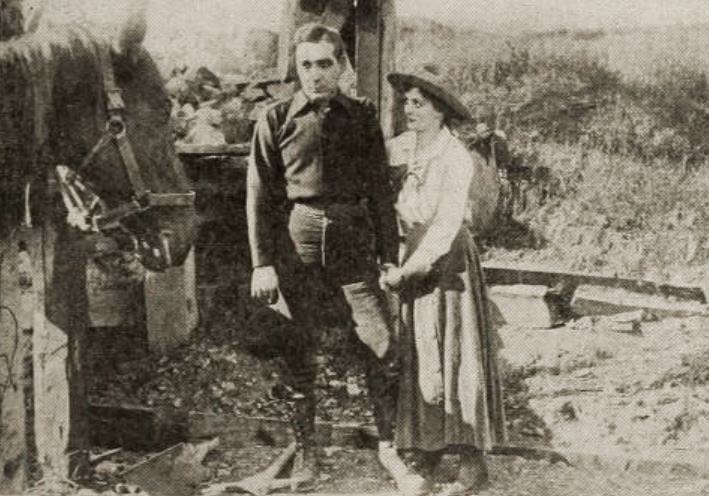
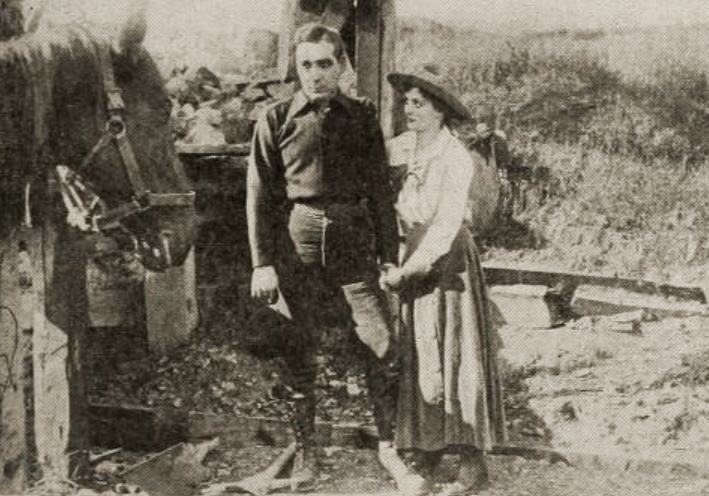
Rhy MacGhesney and her two brothers, Clem and Sonnie, live with their father and their servant Maggie in a small boom mining town in Colorado. The boom has passed to the camps further on, leaving their little camp practically deserted. Rhy still has faith in the claim her father worked up to the time he was killed, some five years before, but her brother hates the life of the camp, and wants to sell for what they can get and go back to New York, where he feels he can have a chance to make something of himself. Their neighbor across the street is Lewis Beresford, whose obvious mission in the camp is one of pleasure, but who is in reality a mining expert, connected with big mining interests. He has ingratiated himself into the affection of the people of this little camp, and shows a great liking for Rhy and her brothers. Steve Towney, the former mine superintendent for "The Three of Us," is in love with Rhy and is jealous of Beresford, as he has been accepted as suitor for Rhy's hand, up to the time of Beresford's coming. Mr. and Mrs. Bix, Rhy's closest friends in the camp, give a Hallowe'en dinner, which is to be the biggest event of the year. On the day that the dinner is to be given, Steven strikes, by accident, mineral. This assures the success of the mine on which he holds an option, and which adjoins "The Three of Us." Overjoyed, he rushes to Rhy to tell the good news, informing her that it will be impossible for him to attend the Bix dinner, as his option expires the next day at noon. Rhy confesses her love for him, and asks him to wait until next morning. She will then go with him. He consents, giving her the option and samples of ore. Clem overhears the conversation. He is bribed by Beresford to reveal it. The latter thus has an opportunity to make an attempt to gain possession of the mine. He is at the recording office waiting to establish a claim the moment that the option to Towney's mine expires. But Rhy saves the mine and proves her loyalty to Steve by a thrilling ride over the mountains. This is shown in a series of exciting pictures. A great explosion for the breaking of ground for a smelter for the two successful mines ends the picture.
Decades after its release, The Three of Us remains a vital piece of the cinematic puzzle. Its influence can be seen in countless modern works, solidifying John W. Noble's status as a master of the craft in United States and beyond.