
DbcultAccessing Vault...
Director's Spotlight
Senior Film Conservator
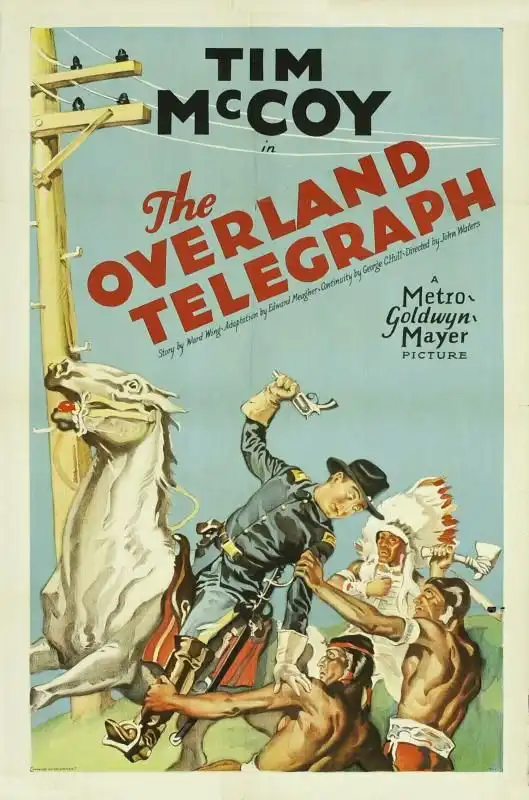
Director's Spotlight: United States
A Deep Dive into the 1929 Vision of John Waters
The 1929 release of The Overland Telegraph marked a significant moment for the enduring legacy of John Waters's artistic contribution to the genre. By challenging the status quo of 1929 cinema, it has cemented its place in the global cult cinema archive.
In The Overland Telegraph, John Waters pushes the boundaries of conventional narrative. The film's unique approach to its subject matter has sparked endless debates and interpretations among cinephiles and critics alike.
| Cinematography | Noir-Inspired |
| Soundtrack | Synth-Heavy |
| Editing | Rhythmic |
| Art Direction | Naturalist |
Visualizing the convergence of John Waters's style and the core Drama narrative.
At the beginning of the Civil War, as federal troops start to build the first overland telegraph, Indians, who fear the wires, kill some of the linesmen. In response, Major Hammond, who oversees the troops, requests that President Abraham Lincoln send twenty thousand more soldiers to come to his aid. Lincoln grants Hammond's request, and sends along Capt. Allen, who is knowledgeable about Indians. At his new post, Allen discovers that a Confederate spy has been fomenting trouble with the Indians. Allen eventually uncovers the spy, makes peace with the Indians and wins the love of Dorothy, a young woman who lives at the post.
Decades after its release, The Overland Telegraph remains a vital piece of the cinematic puzzle. Its influence can be seen in countless modern works, solidifying John Waters's status as a master of the craft in United States and beyond.