
DbcultAccessing Vault...
Director's Spotlight
Senior Film Conservator
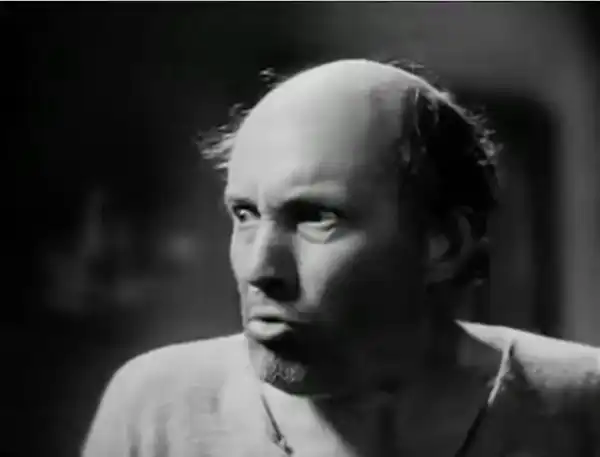
Director's Spotlight: United States
A Deep Dive into the 1933 Vision of Josef Berne
Few works in United States cinema carry the same weight as Dawn to Dawn, especially regarding the cultural zeitgeist captured so perfectly by Josef Berne in 1933. Utilizing a 1933-specific aesthetic that remains timeless, it serves as a blueprint for future generations of Short directors.
In Dawn to Dawn, Josef Berne pushes the boundaries of conventional narrative. The film's unique approach to its subject matter has sparked endless debates and interpretations among cinephiles and critics alike.
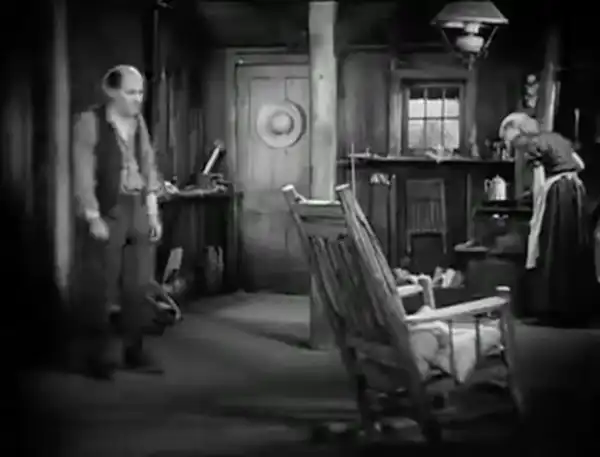
To fully appreciate Dawn to Dawn, one must consider the cinematic climate of 1933. During this period, United States was undergoing significant artistic shifts, and Josef Berne was at the forefront of this Short movement, often challenging established norms.
| Cinematography | Noir-Inspired |
| Soundtrack | Experimental |
| Editing | Elliptical |
| Art Direction | Expressionist |
Visualizing the convergence of Josef Berne's style and the core Short narrative.
On a desolate farm, a man and his grown daughter eek out a living. He's aging and ill; she's lonely and wan. He's adamant that she have no contact with men, so she's a prisoner of the farm. One hot day, while she takes a nap beside a haystack after plowing, a drifter approaches her. She sees a chance at a life less desperate. The drifter comes for supper and the old farmer let's the young man spend the night. But will he allow his daughter's longing to express itself, and if she must, who will she choose?
Decades after its release, Dawn to Dawn remains a vital piece of the cinematic puzzle. Its influence can be seen in countless modern works, solidifying Josef Berne's status as a master of the craft in United States and beyond.