
DbcultAccessing Vault...
Director's Spotlight
Senior Film Conservator
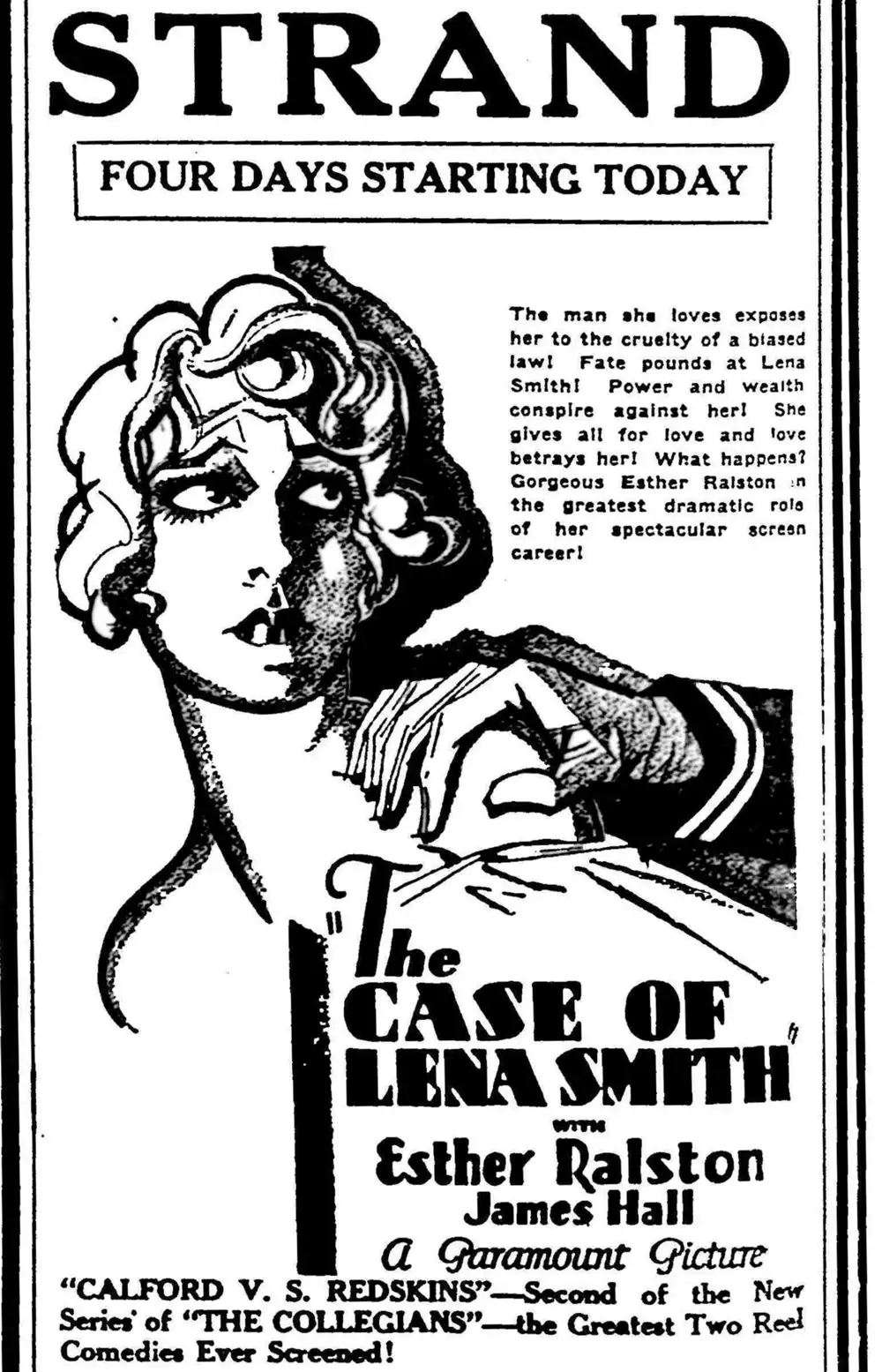
Director's Spotlight: United States
A Deep Dive into the 1929 Vision of Josef von Sternberg
In the storied career of Josef von Sternberg, The Case of Lena Smith stands as a the atmospheric immersion that Josef von Sternberg achieves throughout The Case of Lena Smith. Reflecting the political and social shifts of the 1929s, it reinforces the idea that cinema is a medium of infinite possibilities.
In The Case of Lena Smith, Josef von Sternberg pushes the boundaries of conventional narrative. The film's unique approach to its subject matter has sparked endless debates and interpretations among cinephiles and critics alike.
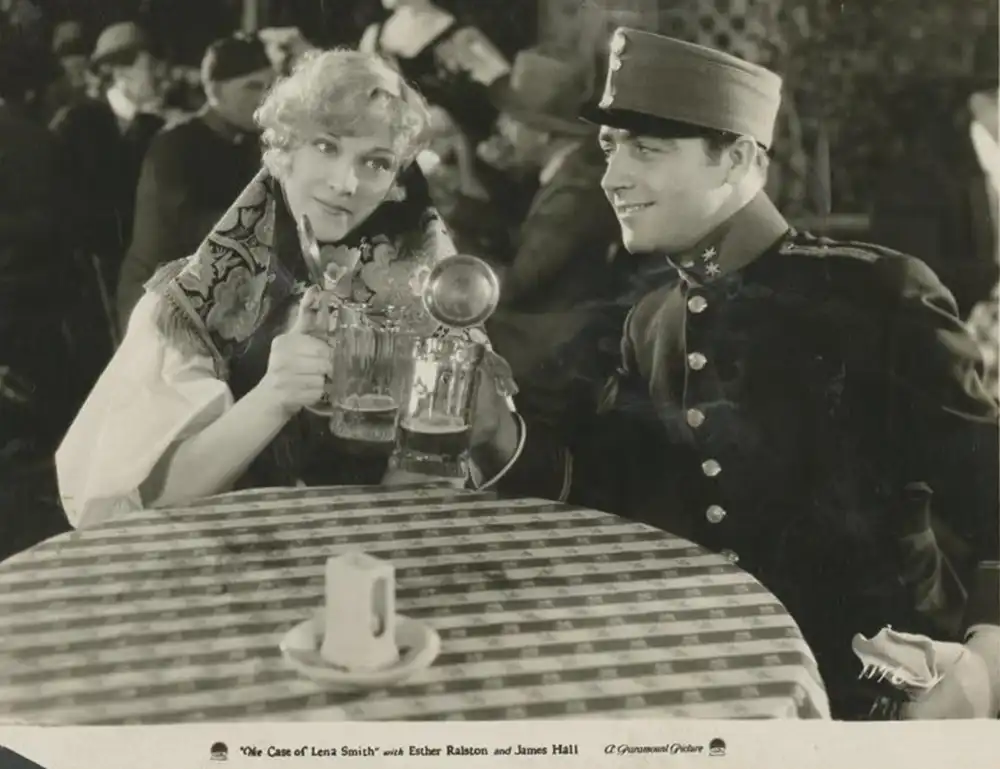
While deeply rooted in United States, The Case of Lena Smith has achieved a global reach, influencing directors from various backgrounds. Its ability to translate Drama tropes into a universal cinematic language is why it remains a cult staple decades after its 1929 release.
| Cinematography | High-Contrast |
| Soundtrack | Minimalist |
| Editing | Slow-Burn |
| Art Direction | Brutalist |
Visualizing the convergence of Josef von Sternberg's style and the core Drama narrative.
In late 19th century Vienna, Lena Smith, a naive peasant girl from Hungary, has a child by a corrupt young cavalry officer, and goes to work in his house as a servant, hiding the truth from his unsympathetic father, while the son returns to his profligate ways. Robbed of her child first when he is a baby, and later when they are separated by the war, she suffers imprisonment, contempt, and shame in order to protect the child.
Decades after its release, The Case of Lena Smith remains a vital piece of the cinematic puzzle. Its influence can be seen in countless modern works, solidifying Josef von Sternberg's status as a master of the craft in United States and beyond.