
DbcultAccessing Vault...
Director's Spotlight
Senior Film Conservator
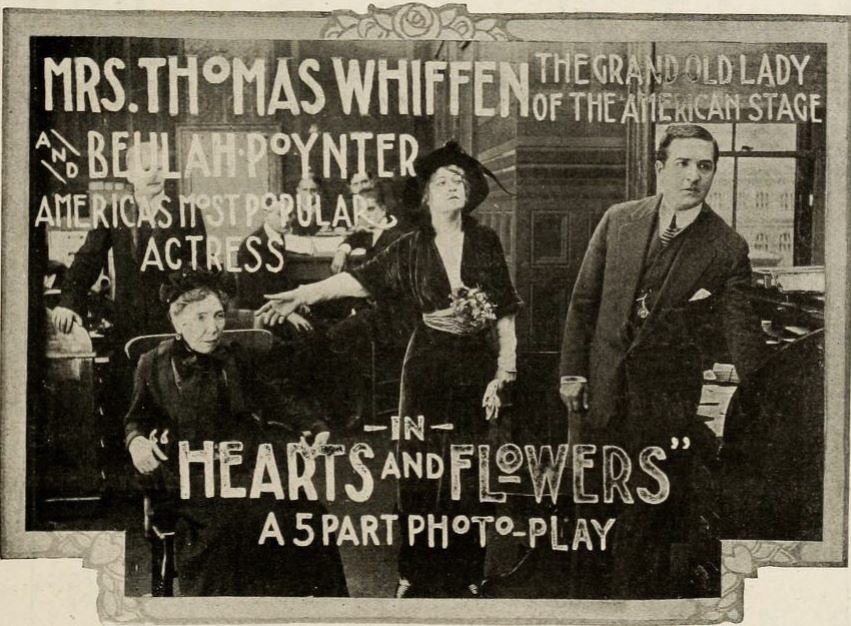
Director's Spotlight: United States
A Deep Dive into the 1914 Vision of Joseph A. Golden
Peeling back the layers of Joseph A. Golden's Hearts and Flowers exposes the technical innovation that Joseph A. Golden introduced to the cult format. Driven by an uncompromising commitment to cult excellence, it stands as the definitive 1914 statement on cult identity.
In Hearts and Flowers, Joseph A. Golden pushes the boundaries of conventional narrative. The film's unique approach to its subject matter has sparked endless debates and interpretations among cinephiles and critics alike.
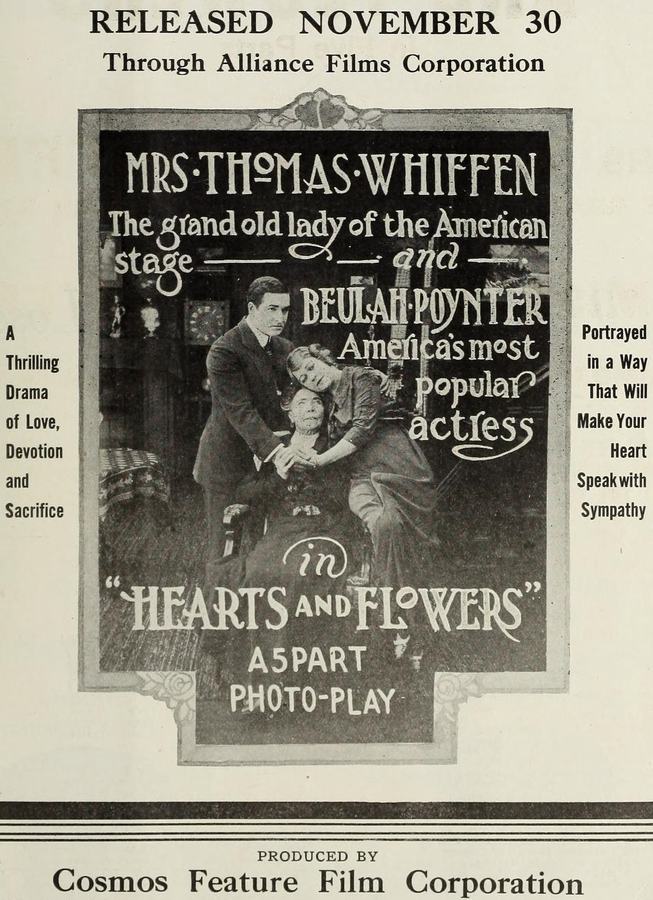
The visual language of Hearts and Flowers is defined by its use of shadows and framing, a hallmark of Joseph A. Golden's style. By utilizing a 1914-era palette, the film creates an immersive experience that perfectly complements its cult themes.
| Cinematography | Noir-Inspired |
| Soundtrack | Experimental |
| Editing | Elliptical |
| Art Direction | Expressionist |
Visualizing the convergence of Joseph A. Golden's style and the core cult narrative.
Tom, the son of John and Mary Landers, an old-fashioned country couple is in love with a pretty country girl, who is also being courted by Walter Terry. Tom surprises the latter making violent love to her and, crazed with jealousy, strikes Walter and in the fight that ensues Tom accidentally pushes Walter over the edge of a cliff. Fearing that he had killed his rival, Tom leaves the farm for the city. Unable to secure a position there, he appeals to his mother, who sends him money. He finally secures a position with Grant and Co., stockbrokers. The Wall Street fever soon gets the better of him and he tries his luck in the stock market. Being successful in his first venture, he plans to make a fortune. He writes his mother informing her that he has an opportunity to go into a good business for himself and begs of her a loan of $1,000. The devoted mother having faith in Tom's promise of a speedy return of the money, takes the money which they had saved to pay off the mortgage on the farm. Tom loses it in speculations and is ashamed to reply to his mother's appeals for the promised return of the money. Meanwhile, Pa Landers is killed by an accidental discharge of his gun while out hunting. The poor widow is now unable to meet the payment of the mortgage and is forced to leave the old home. Miss Elsa Norman, a society girl in the city, is attacked by a thief, but is rescued by Tom and a close friendship is the result of this incident, which later develops into mutual love. Tom's mother arriving in the city visits him in his office. He is ashamed of her appearance and takes her to a boarding house in the suburbs and asks her not to call on him. Terribly hurt at the indifference of her son, she resolves never to annoy him again. Alone in her grief she is forced to move to a poor tenement house. She visits daily the lobby of Tom's office building, where she is seen one day by Elsa Norman, who in deep sympathy for the poor old woman gives her a bunch of violets, not knowing she is the mother of the man she loves. Ma Landers' money gone, she is in actual want and is overcome one day by weakness and faints in front of the building, where she is picked up by Elsa and her chauffeur and carried to her miserable lodging. There she tells her story to Elsa, who is horrified to learn that the old lady is Tom's mother; Elsa 'phones Tom to come at once and he is brought face to face with the terrible result of the neglect of his mother. Elsa touched by the heroic acceptance of the old lady's sad fate, purchases the old farm and presents it to her. Tom returns to the old homestead and in a touching love scene which follows Ma Landers forgives Tom, who wins back Elsa's love.
Decades after its release, Hearts and Flowers remains a vital piece of the cinematic puzzle. Its influence can be seen in countless modern works, solidifying Joseph A. Golden's status as a master of the craft in United States and beyond.