
DbcultAccessing Vault...
Director's Spotlight
Senior Film Conservator
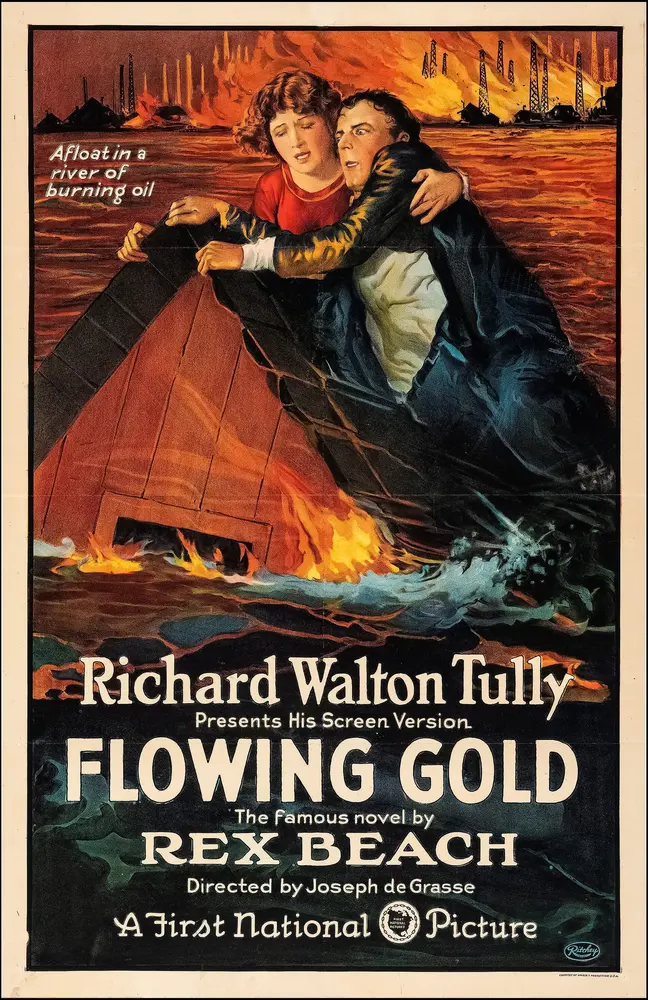
Director's Spotlight: United States
A Deep Dive into the 1924 Vision of Joseph De Grasse
To understand the modern evolution of United States film, one must first look at Flowing Gold and the meticulous attention to detail that Joseph De Grasse applied to every frame. Reflecting the political and social shifts of the 1924s, it showcases the power of Drama as a tool for social commentary.
In Flowing Gold, Joseph De Grasse pushes the boundaries of conventional narrative. The film's unique approach to its subject matter has sparked endless debates and interpretations among cinephiles and critics alike.
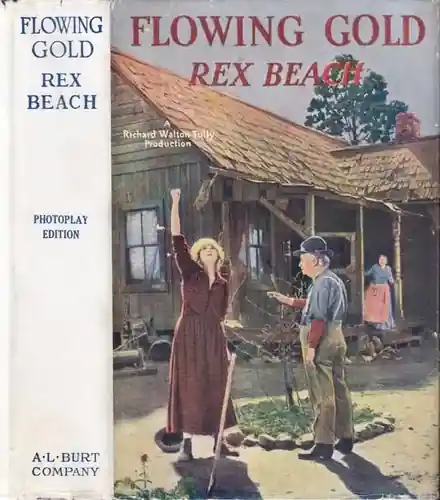
To fully appreciate Flowing Gold, one must consider the cinematic climate of 1924. During this period, United States was undergoing significant artistic shifts, and Joseph De Grasse was at the forefront of this Drama movement, often challenging established norms.
| Cinematography | Static |
| Soundtrack | Diegetic |
| Editing | Rhythmic |
| Art Direction | Naturalist |
Visualizing the convergence of Joseph De Grasse's style and the core Drama narrative.
Soldier of fortune Calvin Gray finds work in a Texas oil town aiding the Briskows, a family of homesteaders who have become rich from the discovery of oil on their property. The Briskows allow Gray to manage their investments, and he thwarts the evil plans of Henry Nelson, a banker who, as an officer in the Army, persecuted him. Gray then prevents an adventuress, "The Suicide Blonde," from swindling Buddy, the Briskows' son. Finally, he marries the daughter, Allegheny Briskow, after she saves his life during a fire and flood caused by a thunderstorm.
Decades after its release, Flowing Gold remains a vital piece of the cinematic puzzle. Its influence can be seen in countless modern works, solidifying Joseph De Grasse's status as a master of the craft in United States and beyond.