
DbcultAccessing Vault...
Director's Spotlight
Senior Film Conservator
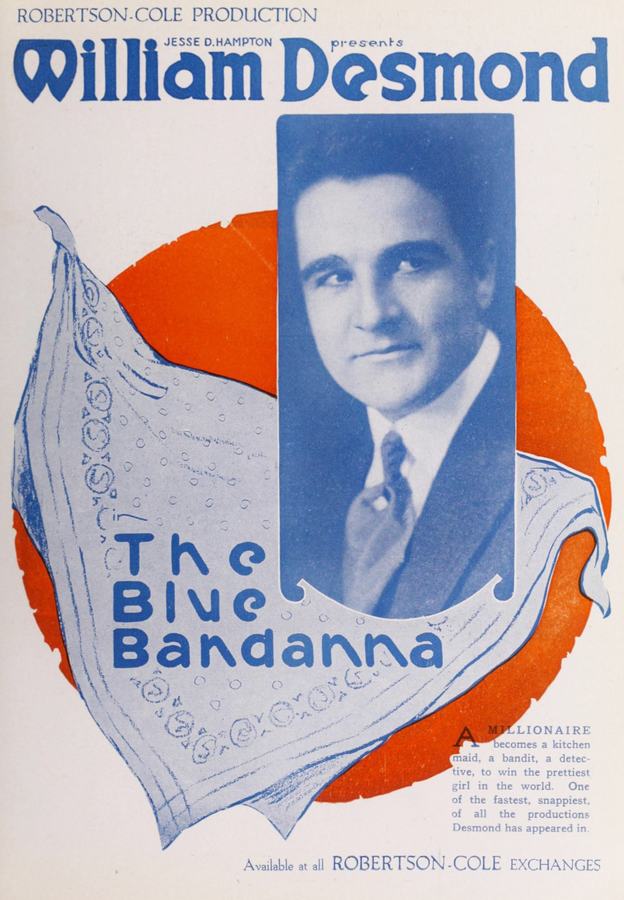
Director's Spotlight: United States
A Deep Dive into the 1919 Vision of Joseph Franz
To understand the modern evolution of United States film, one must first look at The Blue Bandanna and the meticulous attention to detail that Joseph Franz applied to every frame. Reflecting the political and social shifts of the 1919s, it showcases the power of cult as a tool for social commentary.
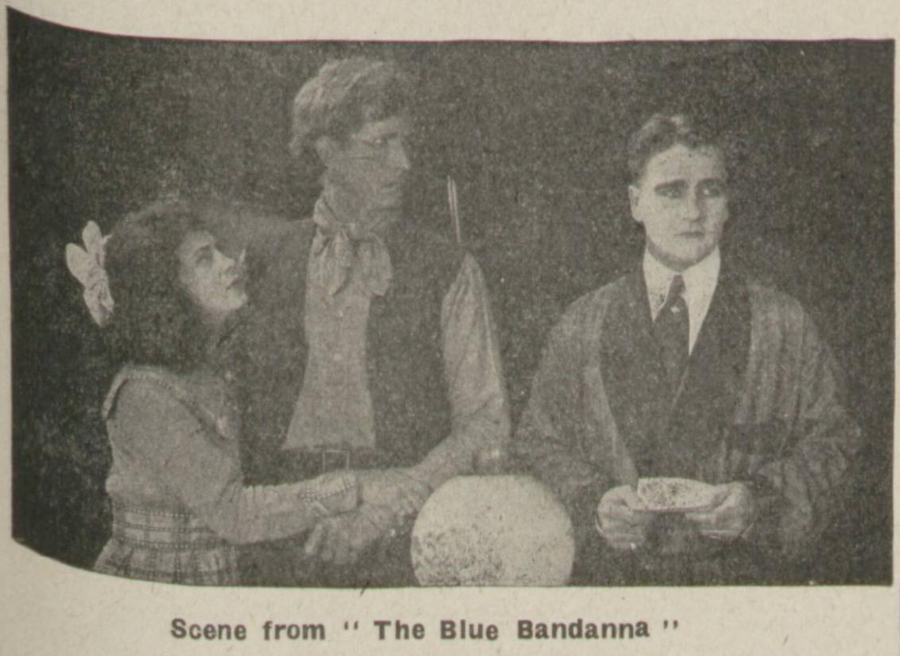
In The Blue Bandanna, Joseph Franz pushes the boundaries of conventional narrative. The film's unique approach to its subject matter has sparked endless debates and interpretations among cinephiles and critics alike.
| Cinematography | Static |
| Soundtrack | Experimental |
| Editing | Invisible |
| Art Direction | Kitsch |
Visualizing the convergence of Joseph Franz's style and the core cult narrative.
Jerry Jerome, a rich young Wall Street broker, follows doctor's orders and goes West to relieve strain. He stops at the ranch of Jim Yancy, then agrees to be the maid of the farmhouse to earn his keep, because he is attracted to Yancy's daughter Ruth. After a series of stagecoach robberies by a masked man wearing a blue bandanna, Jerry, the new man in town, is suspect. When he finds a blue bandanna in Yancy's barn, he decides to investigate, and discovers that Yancy is an ex-convict being blackmailed into helping with the robberies. Jerry dresses up like the bandit to stop the stage and warn the driver of an intended robbery, but he is arrested himself. He convinces the sheriff to let him out so he can bring in the real thief. Yancy accidentally shoots his former partner Ben Cowan, who confesses to being the stagecoach robber. Jerry and Ruth marry and go to New York.
Decades after its release, The Blue Bandanna remains a vital piece of the cinematic puzzle. Its influence can be seen in countless modern works, solidifying Joseph Franz's status as a master of the craft in United States and beyond.