
DbcultAccessing Vault...
Director's Spotlight
Senior Film Conservator
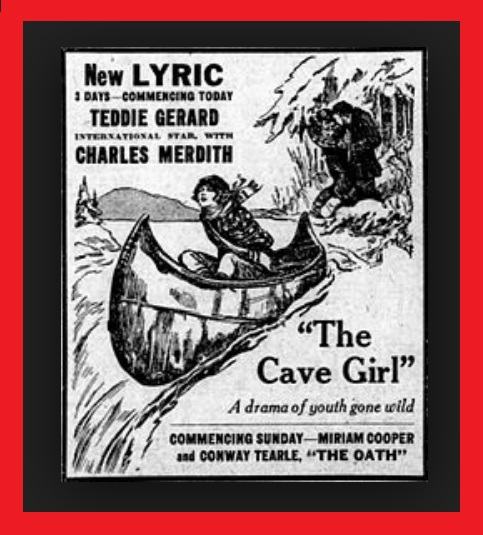
Director's Spotlight: United States
A Deep Dive into the 1921 Vision of Joseph Franz
Few works in United States cinema carry the same weight as The Cave Girl, especially regarding the technical innovation that Joseph Franz introduced to the Drama format. Subverting the expectations of the typical 1921 audience, it bridges the gap between traditional Drama and contemporary vision.
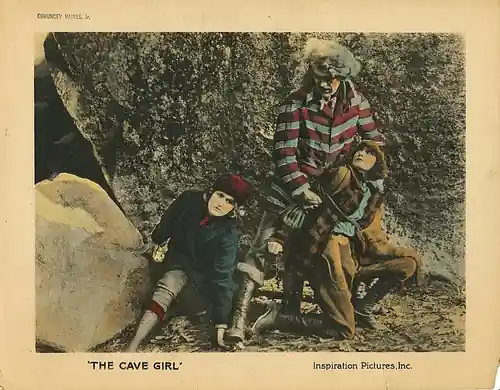
In The Cave Girl, Joseph Franz pushes the boundaries of conventional narrative. The film's unique approach to its subject matter has sparked endless debates and interpretations among cinephiles and critics alike.
| Cinematography | Noir-Inspired |
| Soundtrack | Minimalist |
| Editing | Slow-Burn |
| Art Direction | Brutalist |
Visualizing the convergence of Joseph Franz's style and the core Drama narrative.
Margot Sperry, who keeps house for her guardian, a professor who wants to revert to primitive modes of living, finds it difficult to find food in the winter wilderness and resorts to pilfering from the Bates's winter camp. Divvy, engaged to a girl he does not love, meets Margot on one of her raids and falls in love with her. Baptiste, a half-breed employed by the Bates family, is discharged for stealing and burns the camp, driving the family to refuge with Margot. Elsie, hoping to regain Divvy's affections, dresses in boyish clothes similar to Margot's. Joining forces with Baptiste, they capture Margot, and Baptiste takes her in a canoe downstream. Realizing her mistake, Elsie warns Divvy, who bests the half-breed and then rescues Margot from the falls.
Decades after its release, The Cave Girl remains a vital piece of the cinematic puzzle. Its influence can be seen in countless modern works, solidifying Joseph Franz's status as a master of the craft in United States and beyond.