
DbcultAccessing Vault...
Director's Spotlight
Senior Film Conservator
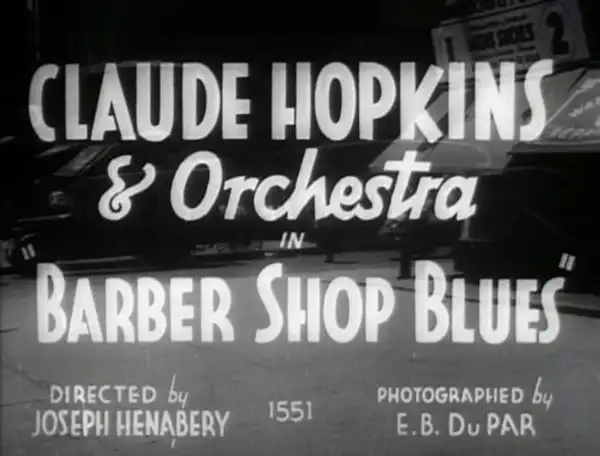
Director's Spotlight: United States
A Deep Dive into the 1933 Vision of Joseph Henabery
Few works in United States cinema carry the same weight as Barber Shop Blues, especially regarding the technical innovation that Joseph Henabery introduced to the Short format. Subverting the expectations of the typical 1933 audience, it bridges the gap between traditional Short and contemporary vision.
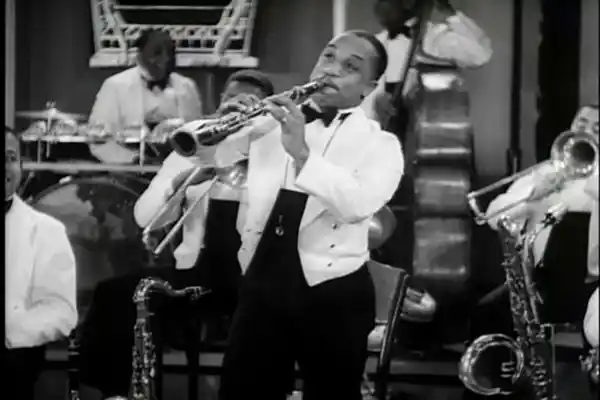
In Barber Shop Blues, Joseph Henabery pushes the boundaries of conventional narrative. The film's unique approach to its subject matter has sparked endless debates and interpretations among cinephiles and critics alike.
| Cinematography | Static |
| Soundtrack | Orchestral |
| Editing | Invisible |
| Art Direction | Kitsch |
Visualizing the convergence of Joseph Henabery's style and the core Short narrative.
An elderly barber shop owner wins a sweepstake and uses the winnings to elaborately remodel his run-down shop. For in-house entertainment he hires his musician friends as the jazz orchestra and the four shoeshiners are skilled tap dancers.
Decades after its release, Barber Shop Blues remains a vital piece of the cinematic puzzle. Its influence can be seen in countless modern works, solidifying Joseph Henabery's status as a master of the craft in United States and beyond.