
DbcultAccessing Vault...
Director's Spotlight
Senior Film Conservator
Director's Spotlight: United States
A Deep Dive into the 1921 Vision of Joseph Henabery
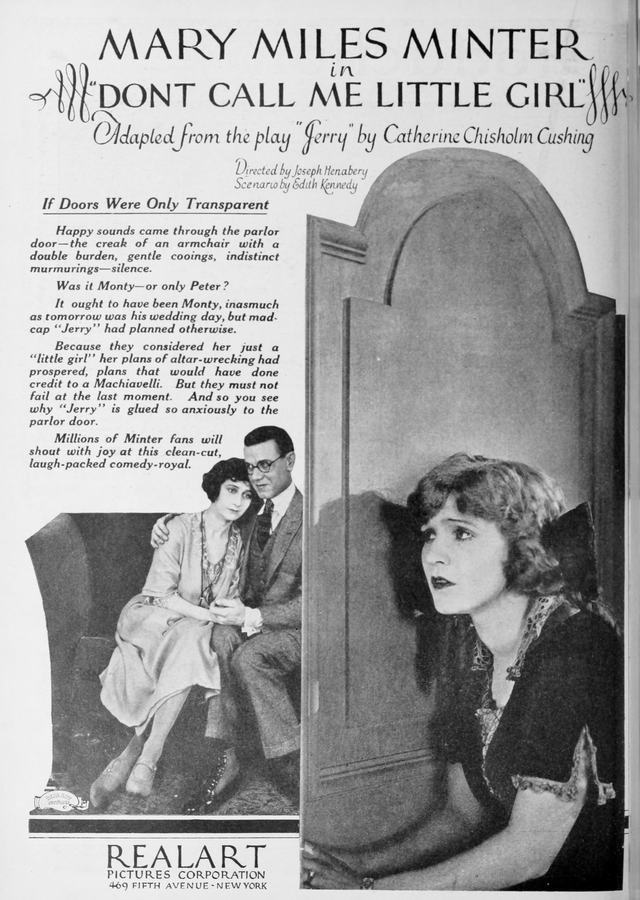
The brilliance of Don't Call Me Little Girl (1921) is inseparable from a monumental shift in Comedy filmmaking spearheaded by Joseph Henabery. Occupying a unique space between Comedy and pure art, it serves as a blueprint for future generations of Comedy directors.
In Don't Call Me Little Girl, Joseph Henabery pushes the boundaries of conventional narrative. The film's unique approach to its subject matter has sparked endless debates and interpretations among cinephiles and critics alike.
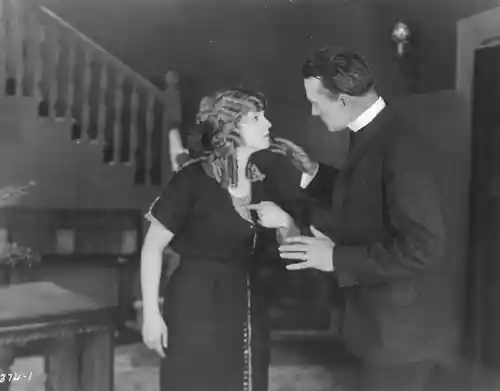
In this work, Joseph Henabery explores the intersection of Comedy and United States cultural identity. The meticulous attention to detail suggests a deep-seated commitment to pushing the boundaries of the medium, ensuring that Don't Call Me Little Girl remains a relevant topic of study for Comedy enthusiasts.
| Cinematography | Static |
| Soundtrack | Experimental |
| Editing | Elliptical |
| Art Direction | Expressionist |
Visualizing the convergence of Joseph Henabery's style and the core Comedy narrative.
Joan Doubleday is a shy spinster, who has been engaged to Monty Wade for 12 years, is secretly adored by Peter Flagg. Her young niece, Jerry, arrives and sets out to capture Monty. On the wedding day, Jerry announces that the grooms have exchanged places and that Peter will marry Joan. A quarrel prevents preparations for the wedding, but Jerry finally convinces Joan that she was meant for Peter.
Decades after its release, Don't Call Me Little Girl remains a vital piece of the cinematic puzzle. Its influence can be seen in countless modern works, solidifying Joseph Henabery's status as a master of the craft in United States and beyond.