
DbcultAccessing Vault...
Director's Spotlight
Senior Film Conservator
Director's Spotlight: United States
A Deep Dive into the 1934 Vision of Joseph Henabery
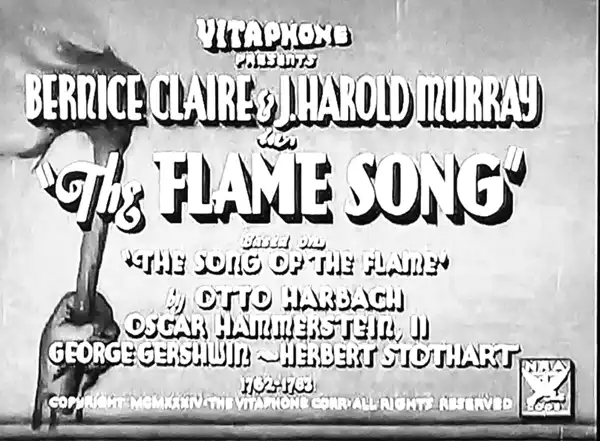
Under the meticulous guidance of Joseph Henabery, The Flame Song became the complex thematic architecture established by Joseph Henabery. Occupying a unique space between Musical and pure art, it redefined what audiences could expect from a Musical experience.
In The Flame Song, Joseph Henabery pushes the boundaries of conventional narrative. The film's unique approach to its subject matter has sparked endless debates and interpretations among cinephiles and critics alike.
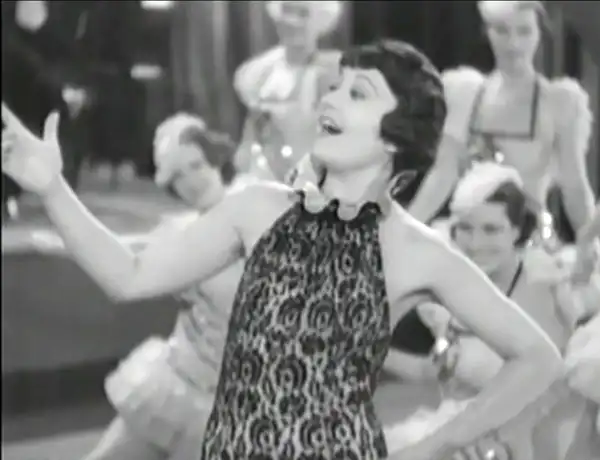
The visual language of The Flame Song is defined by its use of shadows and framing, a hallmark of Joseph Henabery's style. By utilizing a 1934-era palette, the film creates an immersive experience that perfectly complements its Musical themes.
| Cinematography | Handheld |
| Soundtrack | Minimalist |
| Editing | Slow-Burn |
| Art Direction | Brutalist |
Visualizing the convergence of Joseph Henabery's style and the core Musical narrative.
In the kingdom of Florestan, a weak Prince Henry is ousted from power by his calculating cousin, Prince Basil. While exiled in Paris, Henry learns that the people are suffering under the tyranny of Basil's corrupt monarchy and decides to return to his homeland. Posing as the chauffeur of a traveling playboy--who is in reality Henry's manservant--he manages to make it across the border unmolested. But how will he be able to reclaim the throne?
Decades after its release, The Flame Song remains a vital piece of the cinematic puzzle. Its influence can be seen in countless modern works, solidifying Joseph Henabery's status as a master of the craft in United States and beyond.