
DbcultAccessing Vault...
Director's Spotlight
Senior Film Conservator
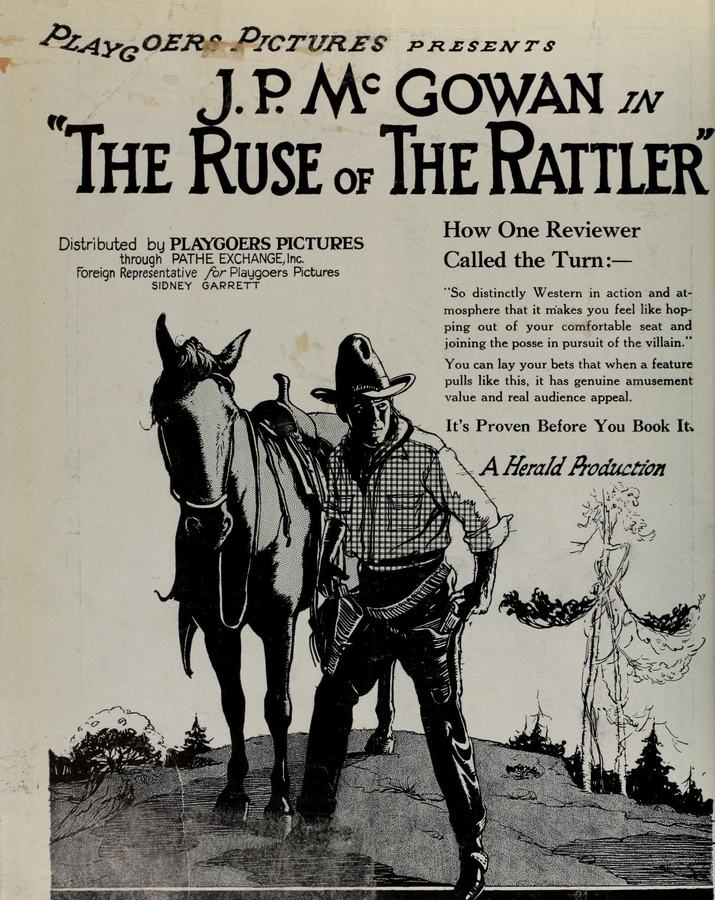
Director's Spotlight: United States
A Deep Dive into the 1921 Vision of J.P. McGowan
The brilliance of The Ruse of the Rattler (1921) is inseparable from the visionary mind of its creator, J.P. McGowan. Serving as a mirror to the anxieties of a changing world, it persists as a haunting reminder of our own cinematic history.
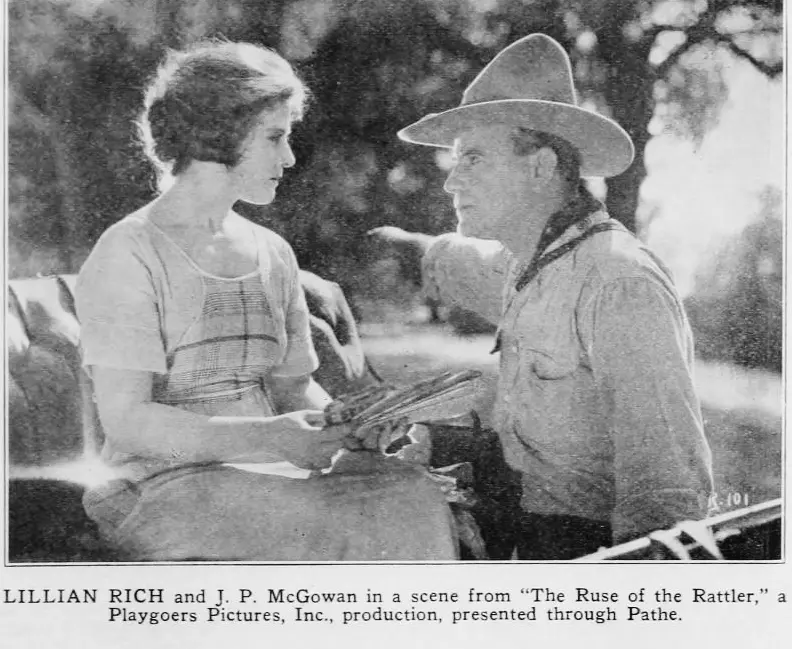
In The Ruse of the Rattler, J.P. McGowan pushes the boundaries of conventional narrative. The film's unique approach to its subject matter has sparked endless debates and interpretations among cinephiles and critics alike.
| Cinematography | Deep Focus |
| Soundtrack | Synth-Heavy |
| Editing | Disjunctive |
| Art Direction | Baroque |
Visualizing the convergence of J.P. McGowan's style and the core Drama narrative.
Henry Morgan advances the money to defend Bud Sanderson who is arrested for stealing cattle, in return for securing an option on the Sanderson ranch. Morgan hires "The Rattler" to evict the Sandersons from their ranch, but when he meets Helen Sanderson and discovers the injustice of Morgan's demands, he refuses to carry out his orders. Helen, suspecting Morgan of shady dealing, follows Bud, who has escaped from jail, to a desperadoes' hangout. The Rattler holds up the gang and forcibly carries Bud off to jail, where he will be safe. Misunderstanding The Rattler's motives, Helen sells the ranch to Morgan, who delivers false money to Helen. The Rattler pursues, and both are caught in a train wreck. Morgan, mortally injured, clears Bud, and The Rattler, though wounded, is urged to recovery by Helen's love.
Decades after its release, The Ruse of the Rattler remains a vital piece of the cinematic puzzle. Its influence can be seen in countless modern works, solidifying J.P. McGowan's status as a master of the craft in United States and beyond.