
DbcultAccessing Vault...
Director's Spotlight
Senior Film Conservator
Director's Spotlight: United States
A Deep Dive into the 1921 Vision of J.P. McGowan
As we revisit the 1921 masterpiece Tiger True, we are struck by the atmospheric immersion that J.P. McGowan achieves throughout Tiger True. Exploring the nuances of the human condition with Mystery flair, it solidifies J.P. McGowan's reputation as a master of the craft.
In Tiger True, J.P. McGowan pushes the boundaries of conventional narrative. The film's unique approach to its subject matter has sparked endless debates and interpretations among cinephiles and critics alike.
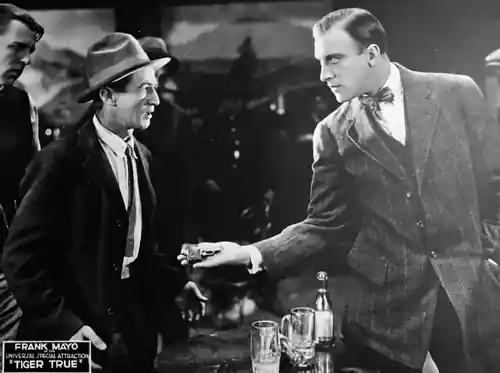
While deeply rooted in United States, Tiger True has achieved a global reach, influencing directors from various backgrounds. Its ability to translate Mystery tropes into a universal cinematic language is why it remains a cult staple decades after its 1921 release.
| Cinematography | Handheld |
| Soundtrack | Experimental |
| Editing | Elliptical |
| Art Direction | Expressionist |
Visualizing the convergence of J.P. McGowan's style and the core Mystery narrative.
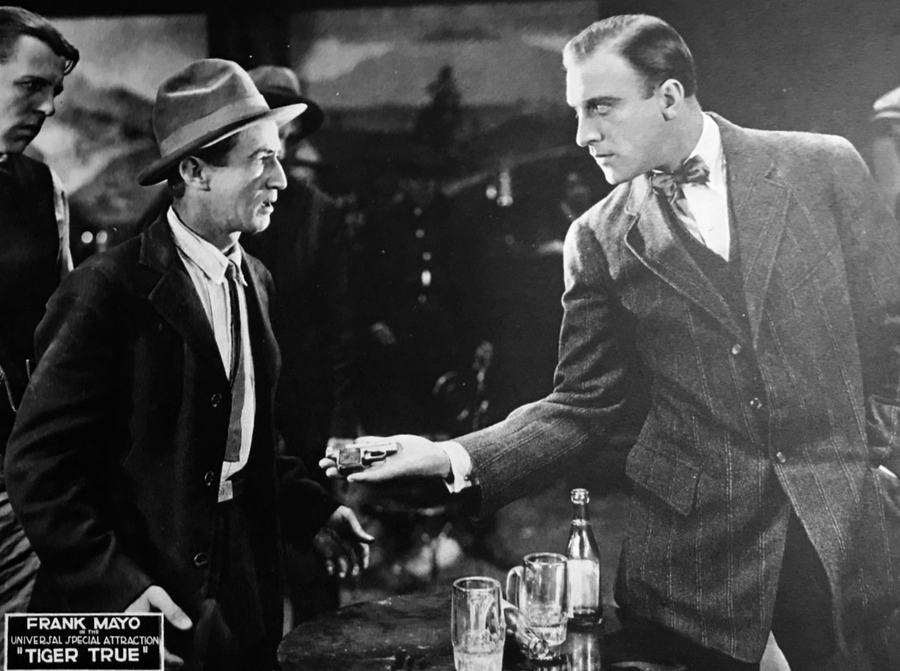
Tiring of hunting big game in the jungle, Jack Lodge, son of a wealthy man, seeks adventure in the underworld district of a big city. With his companion, Sanford, he visits a saloon, where Jack soundly beats the bouncer. As a reward, Mary Dover, the owner, hires him; and all goes well until The Baboon, a jealous intruder, orders Jack to leave the establishment within an hour. After consulting with Old Whitey, Mary bids him leave, but Jack discovers that Old Whitey and The Baboon are not only one and the same but also Mary's half-brother. Jack wins the girl and takes her to his home.
Decades after its release, Tiger True remains a vital piece of the cinematic puzzle. Its influence can be seen in countless modern works, solidifying J.P. McGowan's status as a master of the craft in United States and beyond.