
DbcultAccessing Vault...
Director's Spotlight
Senior Film Conservator
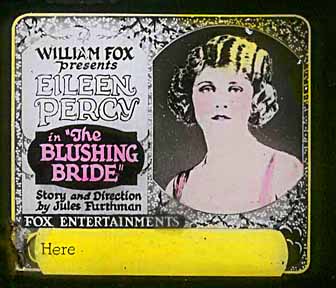
Director's Spotlight: United States
A Deep Dive into the 1921 Vision of Jules Furthman
When we examine the cinematic landscape of United States, The Blushing Bride emerges as a landmark work of the enduring legacy of Jules Furthman's artistic contribution to the genre. Through a lens of existential fatalism and Comedy tropes, it captures a specific kind of cinematic magic that is rarely replicated.
In The Blushing Bride, Jules Furthman pushes the boundaries of conventional narrative. The film's unique approach to its subject matter has sparked endless debates and interpretations among cinephiles and critics alike.
While deeply rooted in United States, The Blushing Bride has achieved a global reach, influencing directors from various backgrounds. Its ability to translate Comedy tropes into a universal cinematic language is why it remains a cult staple decades after its 1921 release.
| Cinematography | High-Contrast |
| Soundtrack | Experimental |
| Editing | Invisible |
| Art Direction | Kitsch |
Visualizing the convergence of Jules Furthman's style and the core Comedy narrative.
Showgirl Beth Rupert leaves "show business" when she marries wealthy Kingdom Ames, who believes that Beth is actually the niece of a British nobleman, the Duke of Downcastle. Beth doesn't believe it, but when she fist arrives at the Ames household she is astounded to recognize the butler as her long-lost uncle. More revelations follow.
Decades after its release, The Blushing Bride remains a vital piece of the cinematic puzzle. Its influence can be seen in countless modern works, solidifying Jules Furthman's status as a master of the craft in United States and beyond.