
DbcultAccessing Vault...
Director's Spotlight
Senior Film Conservator
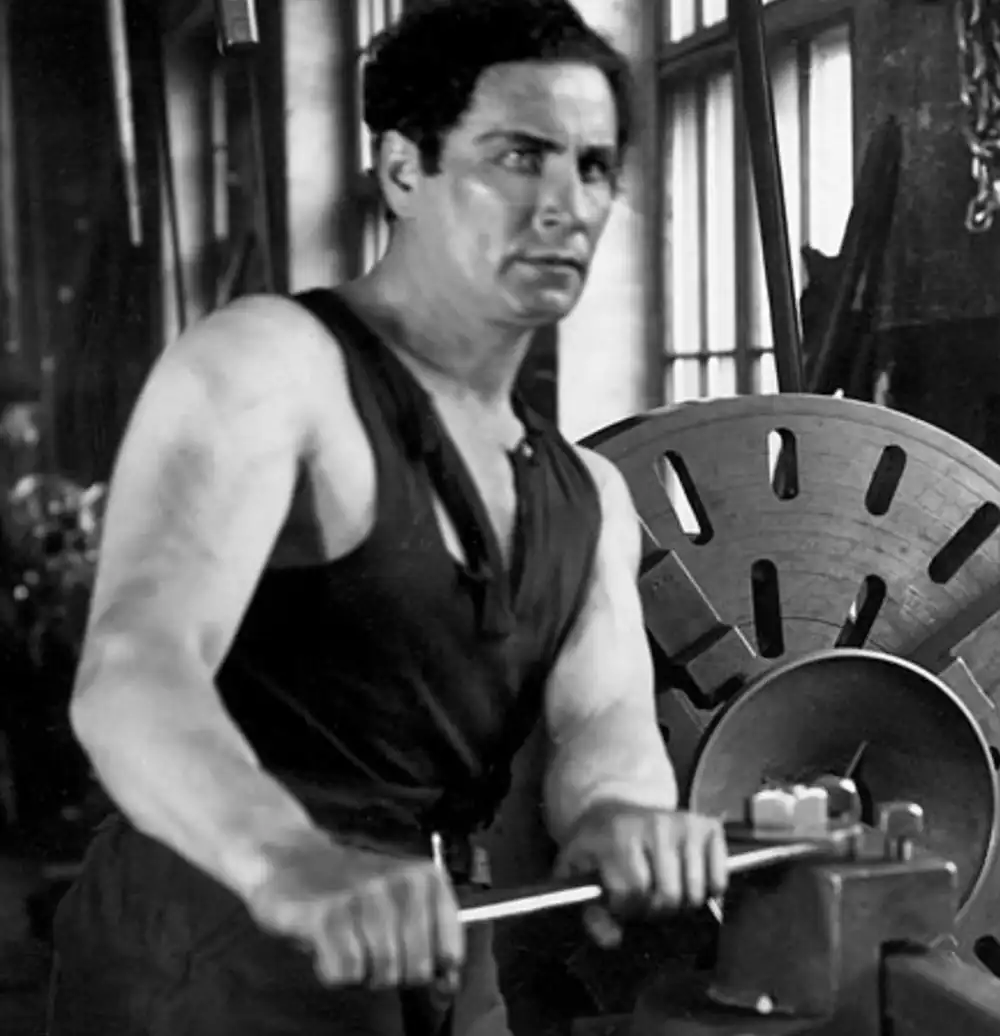
Director's Spotlight: Finland
A Deep Dive into the 1929 Vision of Kalle Kaarna
The brilliance of Työn sankarilaulu (1929) is inseparable from a monumental shift in Drama filmmaking spearheaded by Kalle Kaarna. Occupying a unique space between Drama and pure art, it serves as a blueprint for future generations of Drama directors.
In Työn sankarilaulu, Kalle Kaarna pushes the boundaries of conventional narrative. The film's unique approach to its subject matter has sparked endless debates and interpretations among cinephiles and critics alike.
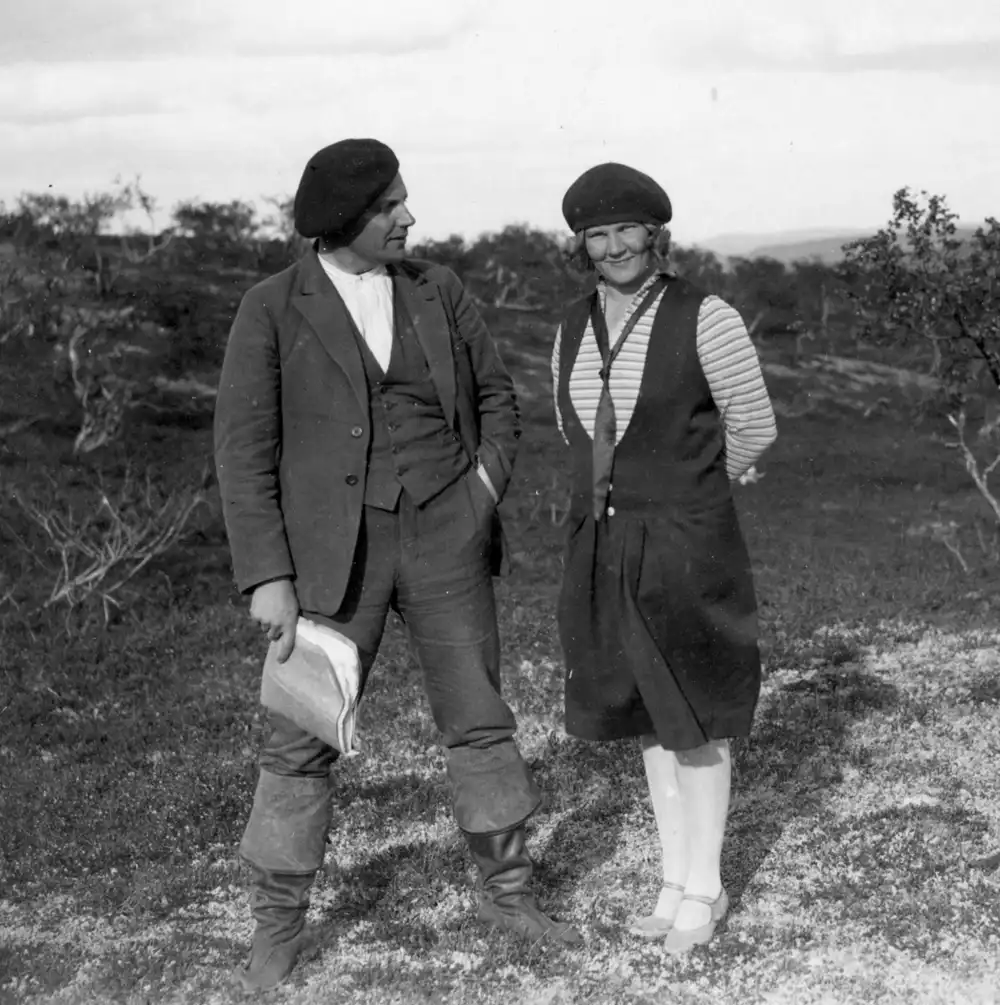
While deeply rooted in Finland, Työn sankarilaulu has achieved a global reach, influencing directors from various backgrounds. Its ability to translate Drama tropes into a universal cinematic language is why it remains a cult staple decades after its 1929 release.
| Cinematography | High-Contrast |
| Soundtrack | Experimental |
| Editing | Invisible |
| Art Direction | Kitsch |
Visualizing the convergence of Kalle Kaarna's style and the core Drama narrative.
Margit visits the iron mill to greet Olli, who works there as an intern, but soon he notices that Margit is also interested in Juhan working at the same mill. Olli manages to fire Juhan through his father and he leaves for Lapland. Olli gets Margit and with her he gets access to Baron Stenhjelm's property. However, he loses his property and has to go to Lapland himself to look for a new job.
Decades after its release, Työn sankarilaulu remains a vital piece of the cinematic puzzle. Its influence can be seen in countless modern works, solidifying Kalle Kaarna's status as a master of the craft in Finland and beyond.