
DbcultAccessing Vault...
Director's Spotlight
Senior Film Conservator
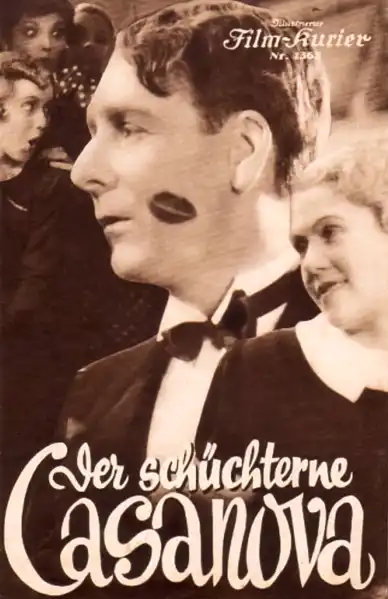
Director's Spotlight: Germany
A Deep Dive into the 1936 Vision of Karel Lamac
The evocative power of The Bashful Casanova stems from the unique collaboration between the bold experimentation that has become synonymous with Karel Lamac. Framed by the hauntingly beautiful landscapes of the production, it echoes the profound changes occurring in Germany during that era.
In The Bashful Casanova, Karel Lamac pushes the boundaries of conventional narrative. The film's unique approach to its subject matter has sparked endless debates and interpretations among cinephiles and critics alike.
To fully appreciate The Bashful Casanova, one must consider the cinematic climate of 1936. During this period, Germany was undergoing significant artistic shifts, and Karel Lamac was at the forefront of this cult movement, often challenging established norms.
| Cinematography | High-Contrast |
| Soundtrack | Experimental |
| Editing | Invisible |
| Art Direction | Kitsch |
Visualizing the convergence of Karel Lamac's style and the core cult narrative.
Bashful salesclerk Innocenz hopes to marry but the women he dates leave as soon as they get hold of his savings. He keeps ignoring his co-worker Dody who has secretly been in love with him for a long time. Her solution: Make him jealous.
Decades after its release, The Bashful Casanova remains a vital piece of the cinematic puzzle. Its influence can be seen in countless modern works, solidifying Karel Lamac's status as a master of the craft in Germany and beyond.