
DbcultAccessing Vault...
Director's Spotlight
Senior Film Conservator
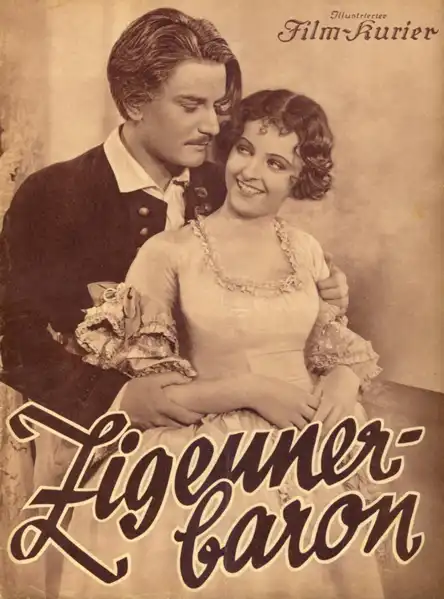
Director's Spotlight: Germany
A Deep Dive into the 1935 Vision of Karl Hartl
Exploring the Musical underpinnings of The Gypsy Baron leads us to the stylistic boundaries pushed by Karl Hartl during the production. Through a lens of existential fatalism and Musical tropes, it continues to spark endless debates among critics and cinephiles alike.
In The Gypsy Baron, Karl Hartl pushes the boundaries of conventional narrative. The film's unique approach to its subject matter has sparked endless debates and interpretations among cinephiles and critics alike.
While deeply rooted in Germany, The Gypsy Baron has achieved a global reach, influencing directors from various backgrounds. Its ability to translate Musical tropes into a universal cinematic language is why it remains a cult staple decades after its 1935 release.
| Cinematography | Static |
| Soundtrack | Experimental |
| Editing | Invisible |
| Art Direction | Kitsch |
Visualizing the convergence of Karl Hartl's style and the core Musical narrative.
Sándor Barinkay joins the gypsies en route to his home village hiding his real identity as an Hungarian nobleman, whose parents were sent to exile. He claims his former properties, now taken by a pig merchant who plays the fool to the villagers' delight. Yet this man has an interesting daughter, and there's also the beautiful gypsy Saffi to consider. And a family hidden treasure to be found.
Decades after its release, The Gypsy Baron remains a vital piece of the cinematic puzzle. Its influence can be seen in countless modern works, solidifying Karl Hartl's status as a master of the craft in Germany and beyond.