
DbcultAccessing Vault...
Director's Spotlight
Senior Film Conservator
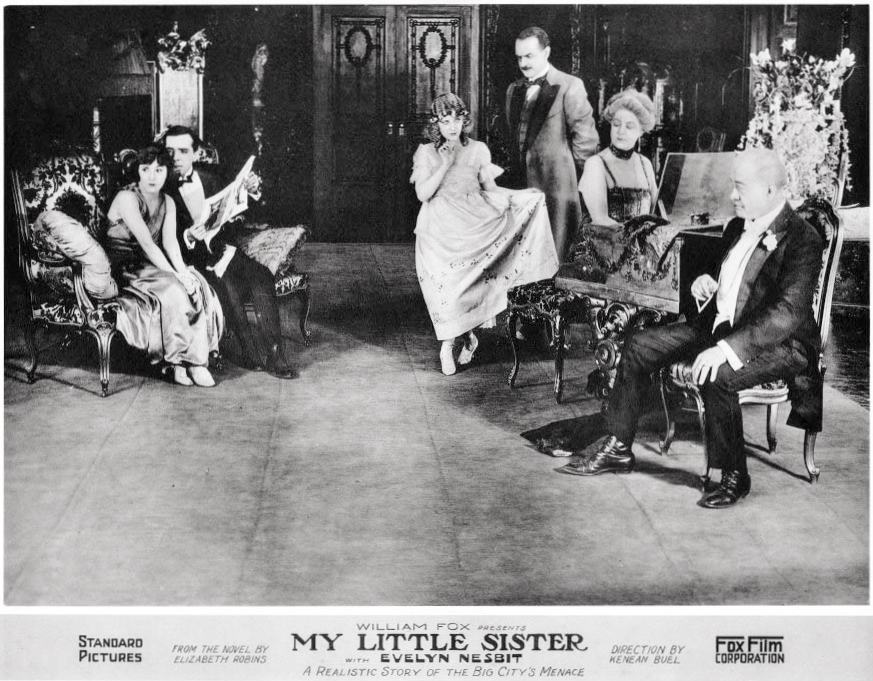
Director's Spotlight: United States
A Deep Dive into the 1919 Vision of Kenean Buel
As a cultural artifact of the 1919s, My Little Sister provides the global recognition that Kenean Buel garnered after the release of My Little Sister. Elevating the source material through Kenean Buel's unique vision, it solidifies Kenean Buel's reputation as a master of the craft.
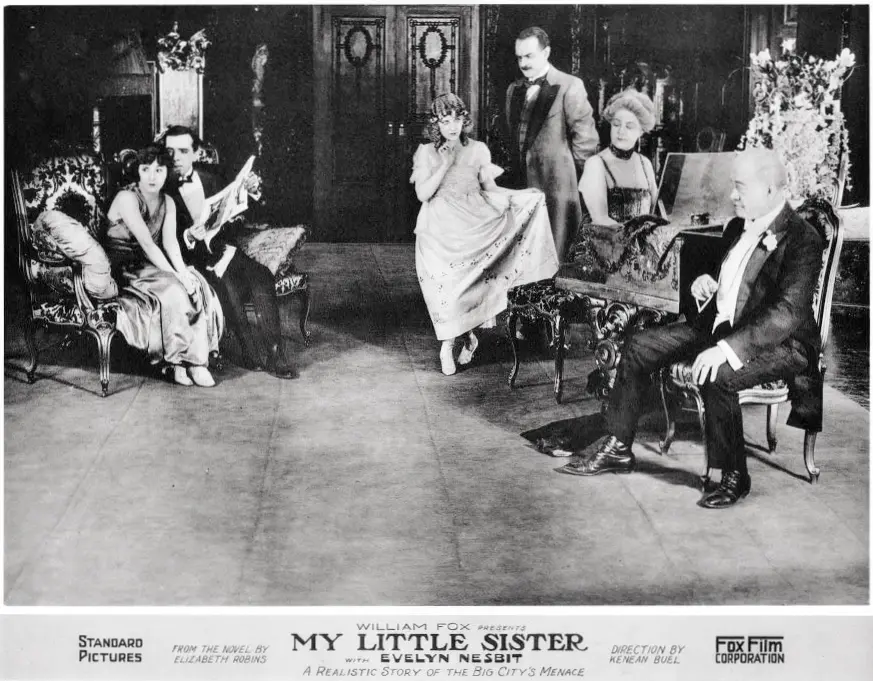
In My Little Sister, Kenean Buel pushes the boundaries of conventional narrative. The film's unique approach to its subject matter has sparked endless debates and interpretations among cinephiles and critics alike.
| Cinematography | Static |
| Soundtrack | Orchestral |
| Editing | Slow-Burn |
| Art Direction | Brutalist |
Visualizing the convergence of Kenean Buel's style and the core cult narrative.
A woman writes about her sister's tragedy, vowing to help others in similar situations: Because Bettina longs to leave her country home, her loving mother sends her and her serious-minded elder sister to London, accepting their aunt's invitation to visit and allow Bettina to be introduced to society. The girls' dressmaker steals the aunt's photograph and sends it to a woman who, disguised as their aunt, leads the girls to a brothel. After the elder sister escapes, aided by her concerned male companion, she races in a cab to her aunt's home, but is frustrated in her attempt to rescue Bettina by her aunt's infirm state, the inefficiency of the police, and her own inability to remember the location of the house. She finds her cab driver, but he is drunk and soon dies in an accident. After falling ill, the sister, convinced by a dream that Bettina has died, resolves to devote her life to saving other women.
Decades after its release, My Little Sister remains a vital piece of the cinematic puzzle. Its influence can be seen in countless modern works, solidifying Kenean Buel's status as a master of the craft in United States and beyond.