
DbcultAccessing Vault...
Director's Spotlight
Senior Film Conservator
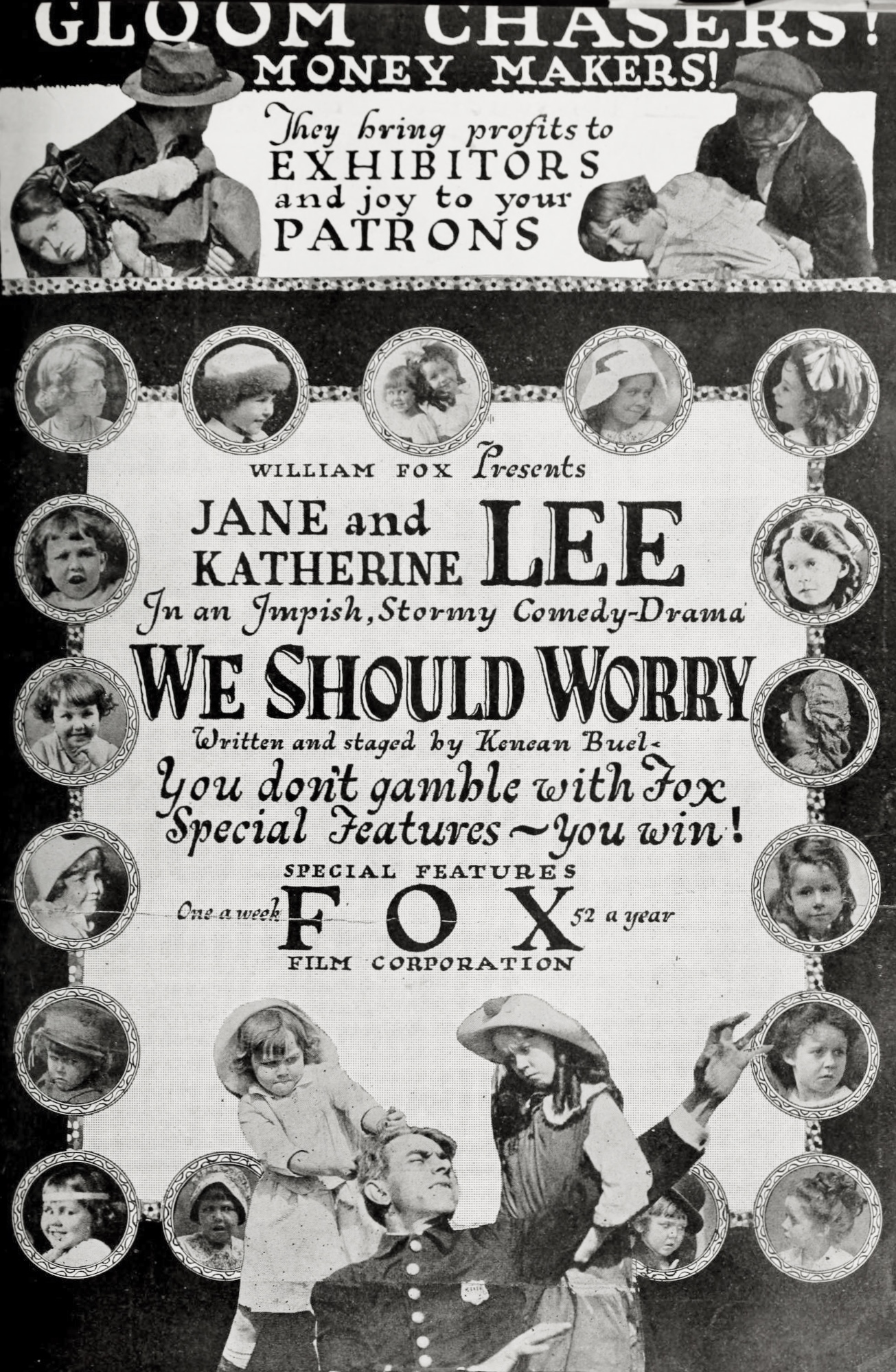
Director's Spotlight: United States
A Deep Dive into the 1918 Vision of Kenean Buel
Under the meticulous guidance of Kenean Buel, We Should Worry became the complex thematic architecture established by Kenean Buel. Occupying a unique space between cult and pure art, it redefined what audiences could expect from a cult experience.
In We Should Worry, Kenean Buel pushes the boundaries of conventional narrative. The film's unique approach to its subject matter has sparked endless debates and interpretations among cinephiles and critics alike.
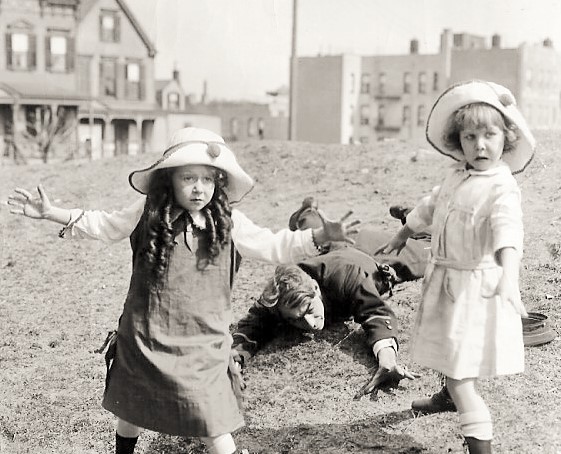
While deeply rooted in United States, We Should Worry has achieved a global reach, influencing directors from various backgrounds. Its ability to translate cult tropes into a universal cinematic language is why it remains a cult staple decades after its 1918 release.
| Cinematography | High-Contrast |
| Soundtrack | Orchestral |
| Editing | Invisible |
| Art Direction | Kitsch |
Visualizing the convergence of Kenean Buel's style and the core cult narrative.
Little Jane and Katherine approve of the romance of Miss Ashton, their rich and beautiful aunt, with Jack Fenton, but when she becomes distracted by the debonair Percival Gilpatrick, whom the children detest, they decide to intervene. After the children interrupt his attempted marriage proposals several times, Percival, actually a crook, orders his accomplices, Mike and Bill, to keep the girls occupied. Annoyed that Percival would rather court Miss Ashton than rob the bank, however, Mike and Bill decide to kidnap the children and hold them for ransom. Imprisoned in a cellar, Jane and Katherine torment the two men with their pranks until the crooks willingly release them, but Percival stages a rescue that, much to the girls' dismay, impresses Miss Ashton. Later Percival and his men rob the bank, but the youngsters aid the police in catching them. Miss Ashton then happily agrees to marry Jack.
Decades after its release, We Should Worry remains a vital piece of the cinematic puzzle. Its influence can be seen in countless modern works, solidifying Kenean Buel's status as a master of the craft in United States and beyond.