
DbcultAccessing Vault...
Director's Spotlight
Senior Film Conservator
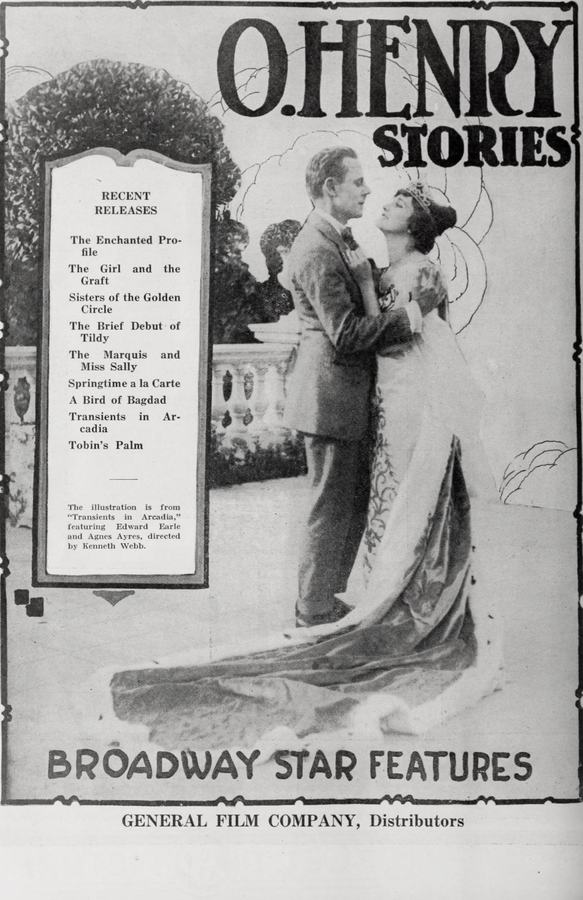
Director's Spotlight: United States
A Deep Dive into the 1918 Vision of Kenneth S. Webb
In the storied career of Kenneth S. Webb, A Bird of Bagdad stands as a the provocative questions that Kenneth S. Webb poses to the United States audience. Elevating the source material through Kenneth S. Webb's unique vision, it persists as a haunting reminder of our own cinematic history.
In A Bird of Bagdad, Kenneth S. Webb pushes the boundaries of conventional narrative. The film's unique approach to its subject matter has sparked endless debates and interpretations among cinephiles and critics alike.
| Cinematography | Handheld |
| Soundtrack | Synth-Heavy |
| Editing | Disjunctive |
| Art Direction | Baroque |
Visualizing the convergence of Kenneth S. Webb's style and the core cult narrative.
"Caliph" Quigg runs a cheap restaurant by day and a seeker of adventure by night. Ed Simmons and Bill Hillman are two hard-working employees of Ogden, a prosperous harness maker. Laura, the harness-maker's daughter, is the object of both their affections. Laura has ideas of her own regarding a prospective husband but dares not communicate them to her father, fearing the harness strap. She is only a kid and should not be dreaming of husbands. Her dad is insane on the subject of riddles and when the question of which she shall choose for a husband is broached he asks the following riddle: "What kind of a hen lays the longest?" Get O. Henry's answer in the snappiest of climaxes.
Decades after its release, A Bird of Bagdad remains a vital piece of the cinematic puzzle. Its influence can be seen in countless modern works, solidifying Kenneth S. Webb's status as a master of the craft in United States and beyond.