
DbcultAccessing Vault...
Director's Spotlight
Senior Film Conservator
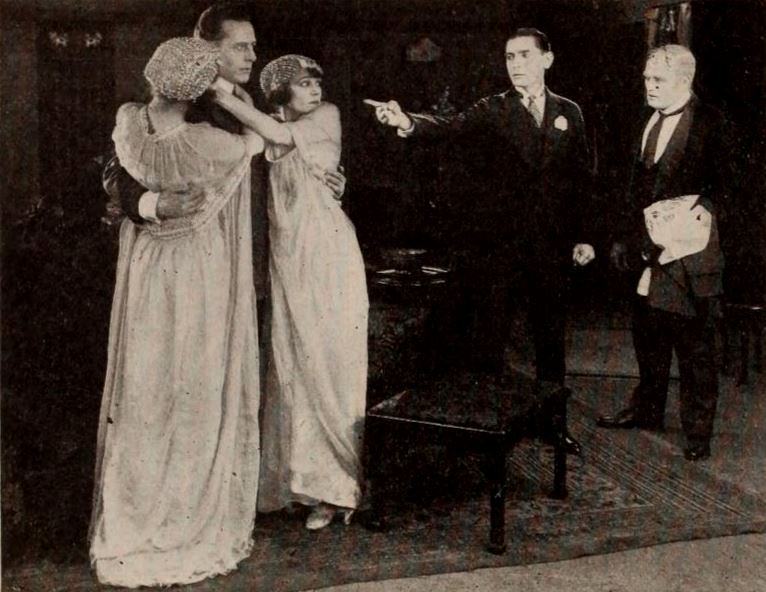
Director's Spotlight: United States
A Deep Dive into the 1919 Vision of Kenneth S. Webb
The cult DNA of His Bridal Night is a reflection of United States's the historical context that Kenneth S. Webb weaves into the cult fabric. Challenging the viewer to find meaning in the cult shadows, it transcends regional boundaries to tell a universal story.
In His Bridal Night, Kenneth S. Webb pushes the boundaries of conventional narrative. The film's unique approach to its subject matter has sparked endless debates and interpretations among cinephiles and critics alike.
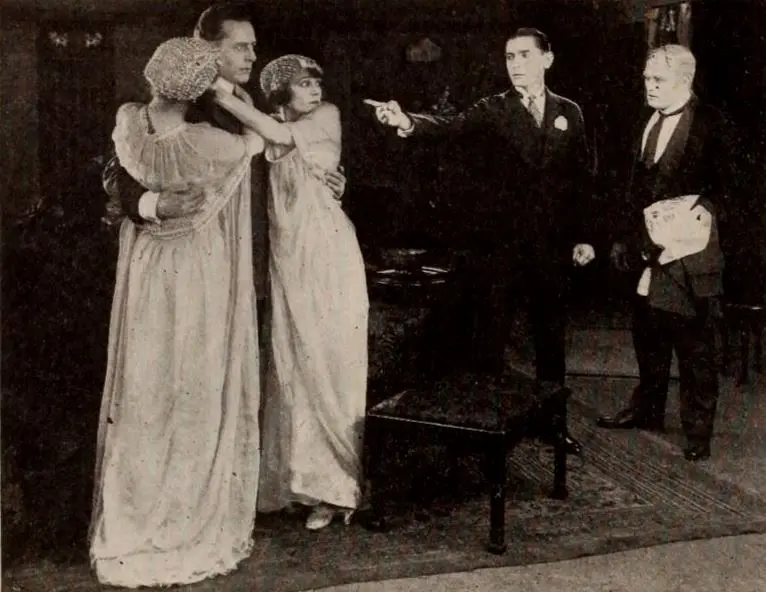
In this work, Kenneth S. Webb explores the intersection of cult and United States cultural identity. The meticulous attention to detail suggests a deep-seated commitment to pushing the boundaries of the medium, ensuring that His Bridal Night remains a relevant topic of study for cult enthusiasts.
| Cinematography | Static |
| Soundtrack | Experimental |
| Editing | Invisible |
| Art Direction | Kitsch |
Visualizing the convergence of Kenneth S. Webb's style and the core cult narrative.
Vi Playfair confesses to her twin sister Tiny that she is planning secretly to meet Lent Trevett, who loves her, to say goodbye, on the eve of her wedding. Tiny, who herself loves Lent, meets him instead and passionately kisses him, leaving Lent, who thinks that Tiny is Vi, to assume that Vi loves him. The next day, after the marriage ceremony, Lent convinces the flighty Vi that her husband Joe is a bully and that she should leave with him. Tiny sees them embrace, and to teach Vi a lesson, she impersonates her sister and goes with Joe on their honeymoon. Vi, now jealous, follows, and in turn is followed by Lent. At the honeymoon cottage, Vi proves to Joe, by a mole on her leg, that she is his wife, and promises Tiny that she will give up flirting. After Tiny convinces Lent that it was she that he kissed, the couples are happily reunited.
Decades after its release, His Bridal Night remains a vital piece of the cinematic puzzle. Its influence can be seen in countless modern works, solidifying Kenneth S. Webb's status as a master of the craft in United States and beyond.