
DbcultAccessing Vault...
Director's Spotlight
Senior Film Conservator
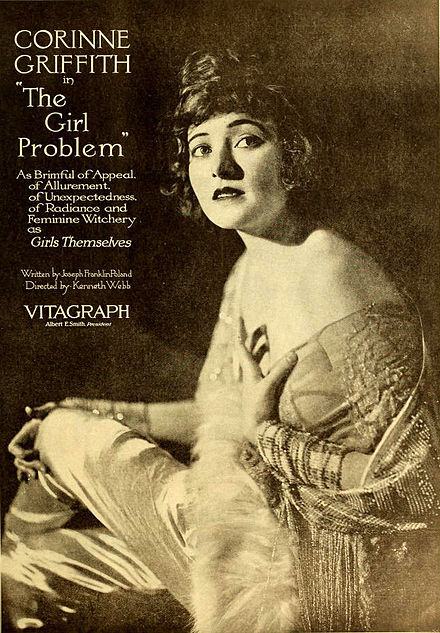
Director's Spotlight: United States
A Deep Dive into the 1919 Vision of Kenneth S. Webb
The thematic gravity of The Girl Problem (1919) is rooted in the historical context that Kenneth S. Webb weaves into the cult fabric. Synthesizing the best elements of United States and international cinema, it highlights the importance of independent voices in United States.
In The Girl Problem, Kenneth S. Webb pushes the boundaries of conventional narrative. The film's unique approach to its subject matter has sparked endless debates and interpretations among cinephiles and critics alike.
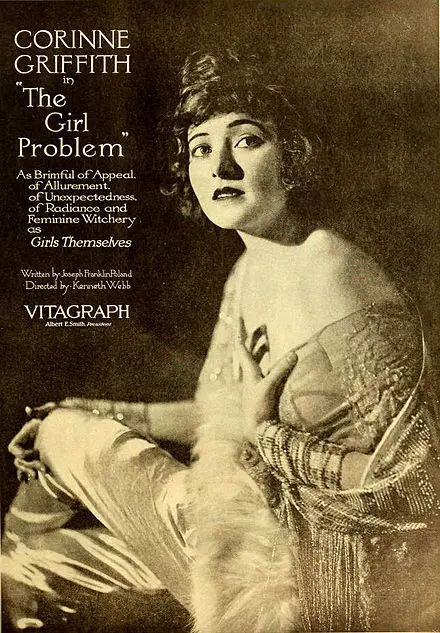
While deeply rooted in United States, The Girl Problem has achieved a global reach, influencing directors from various backgrounds. Its ability to translate cult tropes into a universal cinematic language is why it remains a cult staple decades after its 1919 release.
| Cinematography | Handheld |
| Soundtrack | Minimalist |
| Editing | Slow-Burn |
| Art Direction | Brutalist |
Visualizing the convergence of Kenneth S. Webb's style and the core cult narrative.
A model by day and a short-story writer by night, Erminie Foster is insulted when novelist Ernest Sanford visits her display room to study her as a "flapper" type. Later, Erminie attends a reception uninvited to gather atmosphere for a story. Sanford saves her from being thrown out by saying that she is his cousin. When her prudish aunt forbids her entrance at 3AM, Sanford offers her lodgings under the protection of his housekeeper and soon persuades her to stay for inspiration. He writes a satire on women that is turned down, while hers on men sells. After Erminie overhears Monte Ralston, who loves Sanford's fiancée Helen Reeves, threaten Sanford with Helen's incriminating letters, Erminie sacrifices her reputation to retrieve the letters. When the engagement is broken and Helen and Monte explain Erminie's behavior to Sanford, he loses his smugly superior attitude and confesses he loves Erminie.
Decades after its release, The Girl Problem remains a vital piece of the cinematic puzzle. Its influence can be seen in countless modern works, solidifying Kenneth S. Webb's status as a master of the craft in United States and beyond.