
DbcultAccessing Vault...
Director's Spotlight
Senior Film Conservator
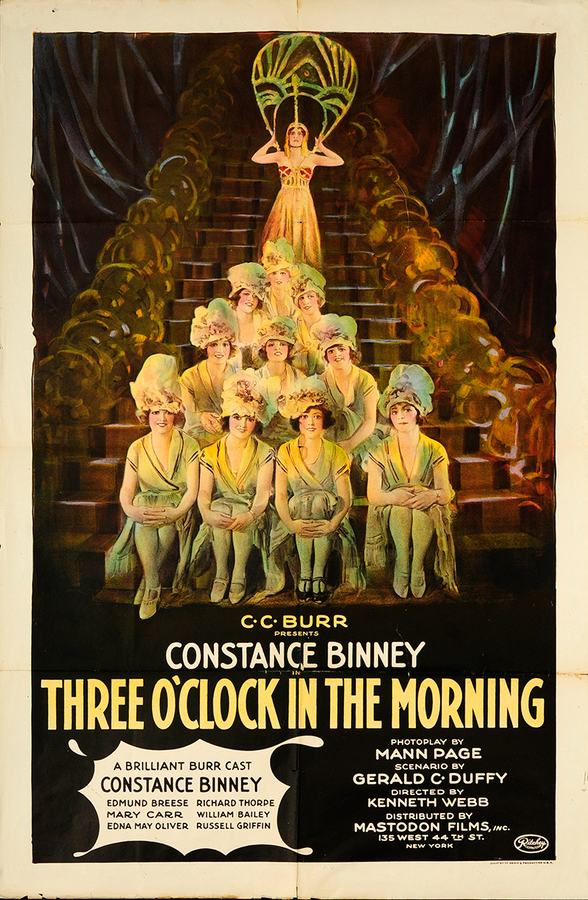
Director's Spotlight: United States
A Deep Dive into the 1923 Vision of Kenneth S. Webb
The brilliance of Three O'Clock in the Morning (1923) is inseparable from a monumental shift in cult filmmaking spearheaded by Kenneth S. Webb. Occupying a unique space between cult and pure art, it serves as a blueprint for future generations of cult directors.
In Three O'Clock in the Morning, Kenneth S. Webb pushes the boundaries of conventional narrative. The film's unique approach to its subject matter has sparked endless debates and interpretations among cinephiles and critics alike.
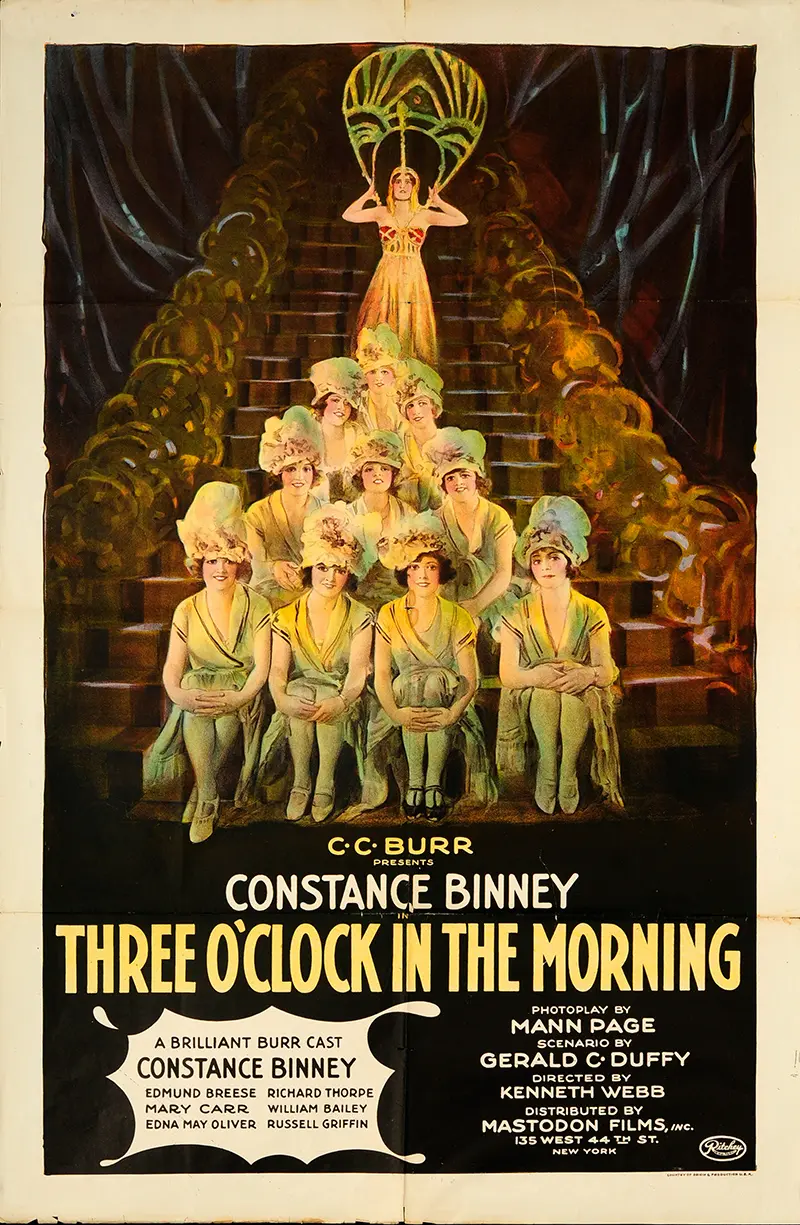
To fully appreciate Three O'Clock in the Morning, one must consider the cinematic climate of 1923. During this period, United States was undergoing significant artistic shifts, and Kenneth S. Webb was at the forefront of this cult movement, often challenging established norms.
| Cinematography | High-Contrast |
| Soundtrack | Minimalist |
| Editing | Disjunctive |
| Art Direction | Baroque |
Visualizing the convergence of Kenneth S. Webb's style and the core cult narrative.
Impulsive flapper Elizabeth Winthrop, rebels against her parents and moves to New York after breaking with her fiance, Clayton Webster. Hugo Von Strohm, a wealthy playboy, procures Elizabeth a job as a chorus dancer and secretly pays her salary. After he tries to seduce her, Elizabeth sees through his kindnesses and returns to her parents and Clayton.
Decades after its release, Three O'Clock in the Morning remains a vital piece of the cinematic puzzle. Its influence can be seen in countless modern works, solidifying Kenneth S. Webb's status as a master of the craft in United States and beyond.