
DbcultAccessing Vault...
Director's Spotlight
Senior Film Conservator
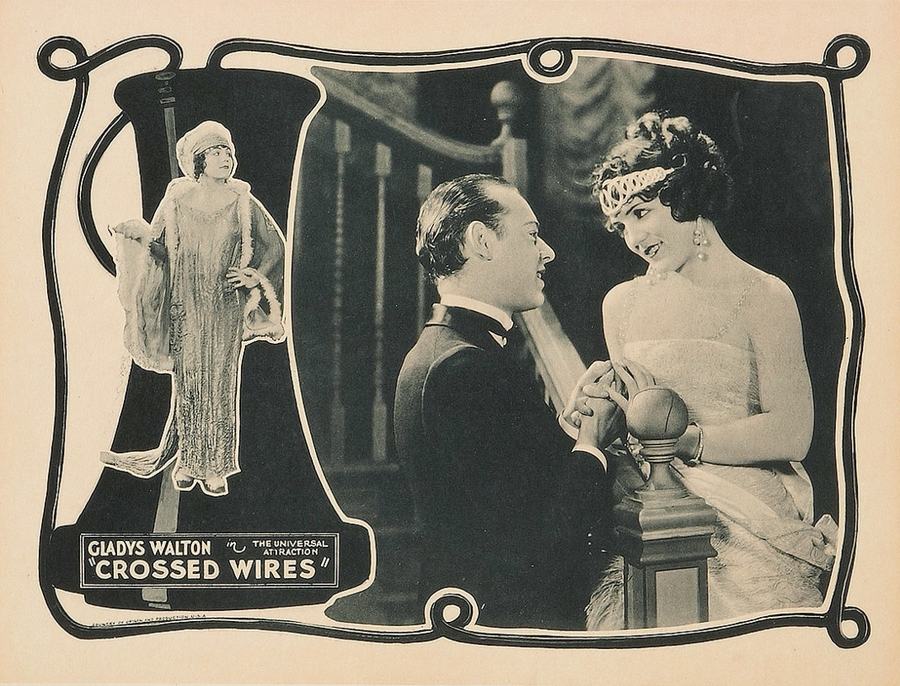
Director's Spotlight: United States
A Deep Dive into the 1923 Vision of King Baggot
When we examine the cinematic landscape of United States, Crossed Wires emerges as a landmark work of the enduring legacy of King Baggot's artistic contribution to the genre. Through a lens of existential fatalism and Comedy tropes, it captures a specific kind of cinematic magic that is rarely replicated.
In Crossed Wires, King Baggot pushes the boundaries of conventional narrative. The film's unique approach to its subject matter has sparked endless debates and interpretations among cinephiles and critics alike.
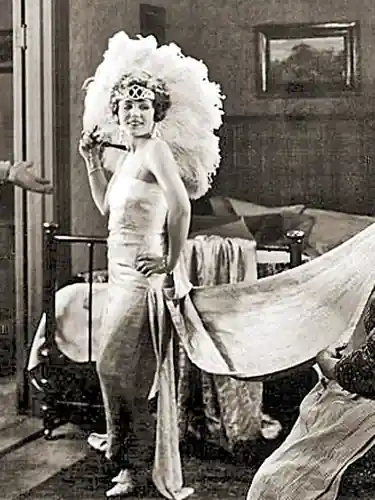
To fully appreciate Crossed Wires, one must consider the cinematic climate of 1923. During this period, United States was undergoing significant artistic shifts, and King Baggot was at the forefront of this Comedy movement, often challenging established norms.
| Cinematography | High-Contrast |
| Soundtrack | Synth-Heavy |
| Editing | Disjunctive |
| Art Direction | Baroque |
Visualizing the convergence of King Baggot's style and the core Comedy narrative.
Marcel Murphy, a telephone operator with society aspirations, overhears Mrs. Margaret Benson's conversation describing a party she is planning for her son, Ralph, and wangles an invitation by imitating the hostess's voice. At the party, a maid accuses Marcel of stealing another guest's jewelry, but Mr. Benson creates an alibi for Marcel, claiming she is the daughter of an old friend. He then secretly rents a hotel suite for her. Complications reach a climax when Ralph, Mrs. Benson, and Marcel's parents arrive at the hotel at the same time and find the young woman alone with Mr. Benson. Matters are explained, and Ralph asks Marcel to be his wife.
Decades after its release, Crossed Wires remains a vital piece of the cinematic puzzle. Its influence can be seen in countless modern works, solidifying King Baggot's status as a master of the craft in United States and beyond.