
DbcultAccessing Vault...
Director's Spotlight
Senior Film Conservator
Director's Spotlight: United States
A Deep Dive into the 1921 Vision of King Baggot
Witnessing the stylistic transformation of Comedy through Nobody's Fool reveals the global recognition that King Baggot garnered after the release of Nobody's Fool. Serving as a mirror to the anxieties of a changing world, offering layers of thematic complexity that demand repeated viewing.
In Nobody's Fool, King Baggot pushes the boundaries of conventional narrative. The film's unique approach to its subject matter has sparked endless debates and interpretations among cinephiles and critics alike.
To fully appreciate Nobody's Fool, one must consider the cinematic climate of 1921. During this period, United States was undergoing significant artistic shifts, and King Baggot was at the forefront of this Comedy movement, often challenging established norms.
| Cinematography | High-Contrast |
| Soundtrack | Minimalist |
| Editing | Slow-Burn |
| Art Direction | Brutalist |
Visualizing the convergence of King Baggot's style and the core Comedy narrative.
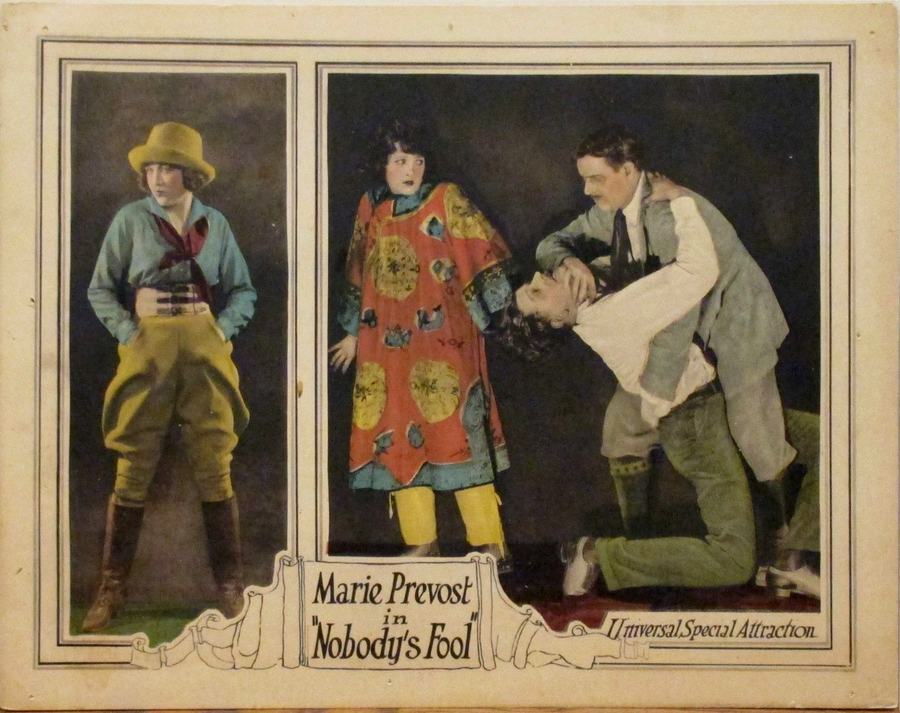
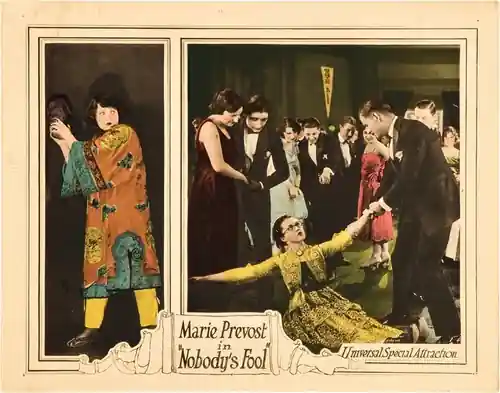
Unattractive and poor Polly Gordon is taken to the college dance by eligible Vincent DePuyster only as part of a fraternity initiation. Suitors flock to her, however, when she inherits half a million dollars from her aunt, but she grows cynical and dismisses them. Her friend Mary, now married to Dr. Hardy, suggests a retreat to the mountains; there she meets author Artemis Alger, who is seeking to escape from women. After an initial clash, Alger comes to love her but finds a rival in young DePuyster. After further complications, Hardy and Mary arrive in a storm, and matters are cleared up.
Decades after its release, Nobody's Fool remains a vital piece of the cinematic puzzle. Its influence can be seen in countless modern works, solidifying King Baggot's status as a master of the craft in United States and beyond.