
DbcultAccessing Vault...
Director's Spotlight
Senior Film Conservator
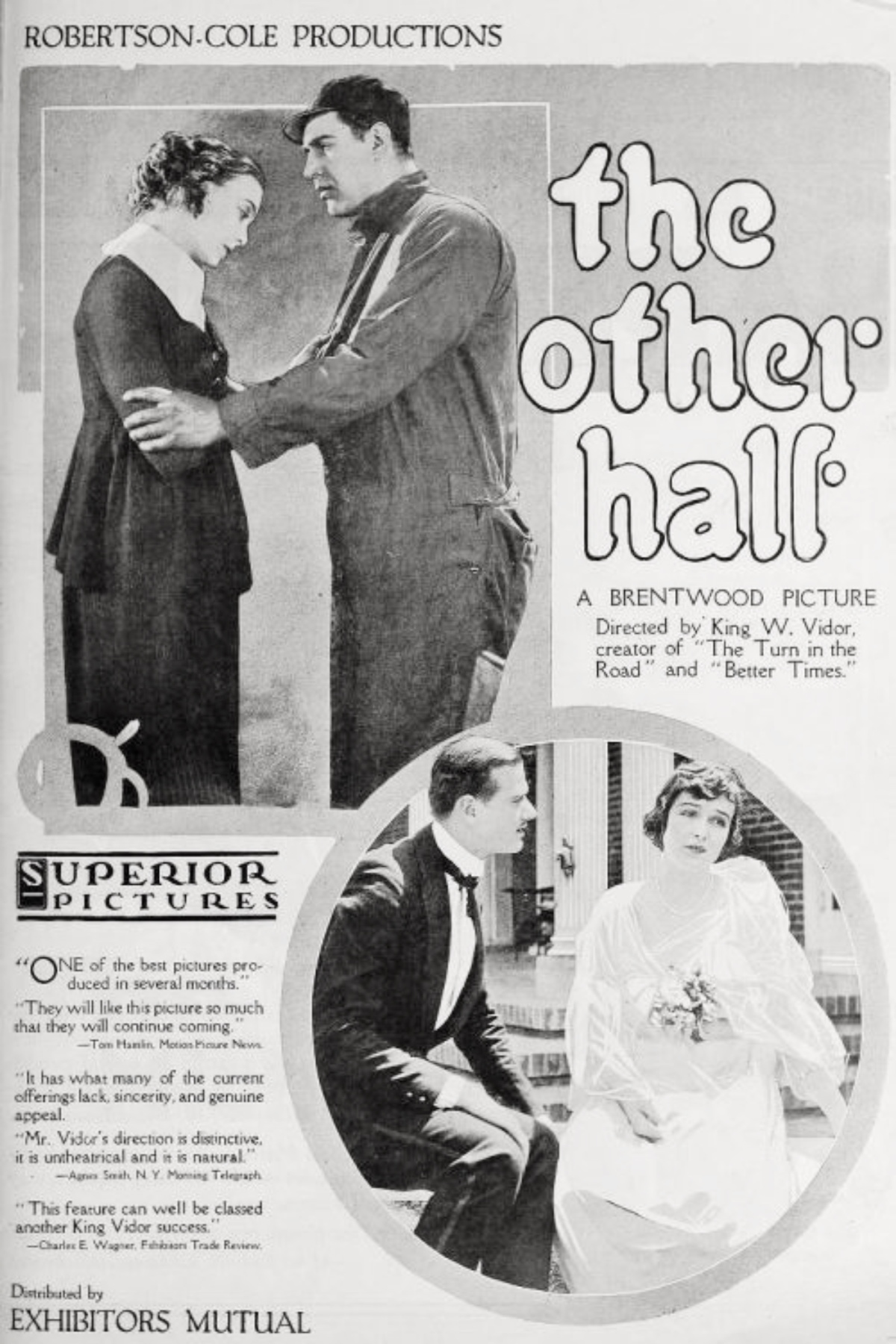
Director's Spotlight: United States
A Deep Dive into the 1919 Vision of King Vidor
The cult DNA of The Other Half is a reflection of United States's the historical context that King Vidor weaves into the cult fabric. Challenging the viewer to find meaning in the cult shadows, it transcends regional boundaries to tell a universal story.
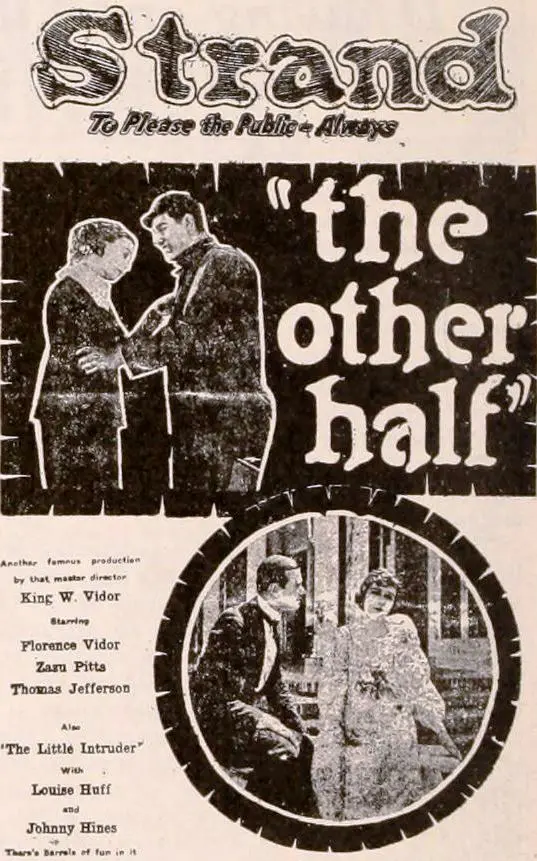
In The Other Half, King Vidor pushes the boundaries of conventional narrative. The film's unique approach to its subject matter has sparked endless debates and interpretations among cinephiles and critics alike.
| Cinematography | Static |
| Soundtrack | Synth-Heavy |
| Editing | Rhythmic |
| Art Direction | Naturalist |
Visualizing the convergence of King Vidor's style and the core cult narrative.
Donald Trent, the son of an iron-works owner, loses his belief in class distinction and recognizes his debt to others while fighting in the trenches. At home he tells his father, who abhors sentiment in business, that he wants to start at the bottom and becomes a mill hand, working near his Army buddy Colonel Jimmy, a machinist. While Donald and his sweetheart Katherine Boone are helping Jimmy care for his sick girlfriend Jennie Jones, known as "The Jazz Kid," Donald learns that his father has died and that he must take over the business. Donald's attitude soon changes, and when Jimmy, now foreman, demands repairs be made to protect lives, Donald refuses. When a wall collapses on Jimmy and he goes temporarily blind, the men strike. Katherine refuses to marry Donald, and works for an uplifting newspaper popular among the poor. After an article by Katherine changes Donald, he orders reforms and they marry. Jimmy's sight returns and he marries Jennie.
Decades after its release, The Other Half remains a vital piece of the cinematic puzzle. Its influence can be seen in countless modern works, solidifying King Vidor's status as a master of the craft in United States and beyond.