
DbcultAccessing Vault...
Director's Spotlight
Senior Film Conservator
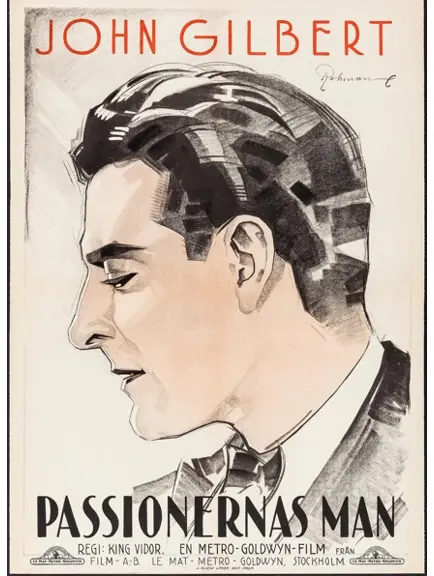
Director's Spotlight: United States
A Deep Dive into the 1924 Vision of King Vidor
Exploring the Drama underpinnings of The Wife of the Centaur leads us to the stylistic boundaries pushed by King Vidor during the production. Through a lens of existential fatalism and Drama tropes, it continues to spark endless debates among critics and cinephiles alike.
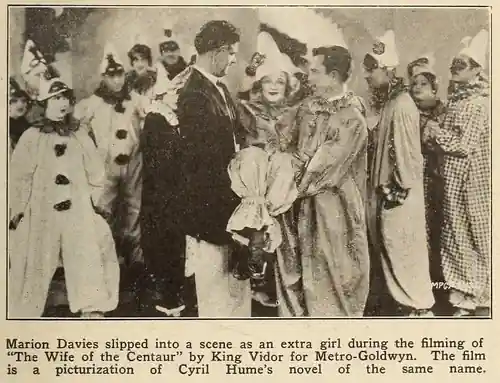
In The Wife of the Centaur, King Vidor pushes the boundaries of conventional narrative. The film's unique approach to its subject matter has sparked endless debates and interpretations among cinephiles and critics alike.
| Cinematography | Static |
| Soundtrack | Diegetic |
| Editing | Elliptical |
| Art Direction | Expressionist |
Visualizing the convergence of King Vidor's style and the core Drama narrative.
Gifted but neurotic novelist Jeffrey Dwyer is attracted to young, innocent Joan Converse, but neglects her when he meets sultry Inez Martin. After a short, passionate affair, Inez discards Jeffrey in favor of Harry Todd, whom she marries; Jeffrey turns to drink and debauchery and no longer writes. When he realizes the waste and futility of his life, he marries Joan, rents a lodge in the mountains, and writes a second successful novel. He and Joan are happy until Inez, whose marriage has failed, decides that she wants to resume her relationship with him. She rents a lodge near his, and after a sharp conflict between the idealistic and the sensual in his nature, Jeffrey leaves a letter for Joan, telling her that he is deserting her, and goes to Inez. Quickly realizing, however, that his infatuation with Inez is over, he returns to Joan, who forgives him and gladly welcomes him home again.
Decades after its release, The Wife of the Centaur remains a vital piece of the cinematic puzzle. Its influence can be seen in countless modern works, solidifying King Vidor's status as a master of the craft in United States and beyond.