
DbcultAccessing Vault...
Director's Spotlight
Senior Film Conservator
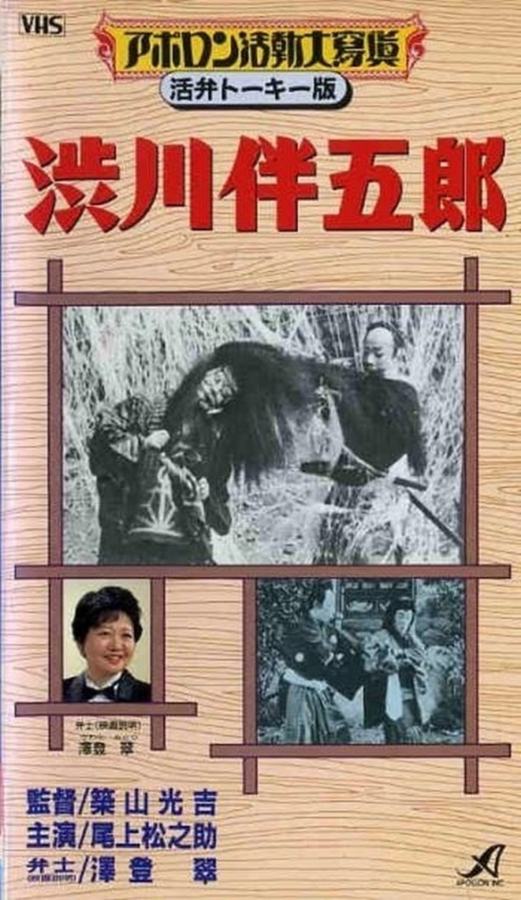
Director's Spotlight: Japan
A Deep Dive into the 1922 Vision of Kôkichi Tsukiyama
Few works in Japan cinema carry the same weight as Shibukawa Bangorô, especially regarding the technical innovation that Kôkichi Tsukiyama introduced to the Drama format. Subverting the expectations of the typical 1922 audience, it bridges the gap between traditional Drama and contemporary vision.
In Shibukawa Bangorô, Kôkichi Tsukiyama pushes the boundaries of conventional narrative. The film's unique approach to its subject matter has sparked endless debates and interpretations among cinephiles and critics alike.
In this work, Kôkichi Tsukiyama explores the intersection of Drama and Japan cultural identity. The meticulous attention to detail suggests a deep-seated commitment to pushing the boundaries of the medium, ensuring that Shibukawa Bangorô remains a relevant topic of study for Drama enthusiasts.
| Cinematography | High-Contrast |
| Soundtrack | Synth-Heavy |
| Editing | Rhythmic |
| Art Direction | Naturalist |
Visualizing the convergence of Kôkichi Tsukiyama's style and the core Drama narrative.
Bangoro, the son of the judo instructor Shibukawa Hanryuken, saves Jinpachi and his daughter from Kurosaki Tenzen, who is holding them under a false pretext around the precincts of the Kanon Temple in Asakusa. He also punishes Sengo Tayu who has beaten Yotsuguruma in a sumo wrestling match by using a forbidden technique. However, Tenzen spreads false rumors about Bangoro, who is expelled by his judo school for abusing his fighting strength. One day, after Bangoro arbitrates a quarrel between two sumo wrestlers of the second highest rank, he is ordered by the Lord of Arima to kill an enormous spider. Where does this lead Bangoro?
Decades after its release, Shibukawa Bangorô remains a vital piece of the cinematic puzzle. Its influence can be seen in countless modern works, solidifying Kôkichi Tsukiyama's status as a master of the craft in Japan and beyond.