
DbcultAccessing Vault...
Director's Spotlight
Senior Film Conservator
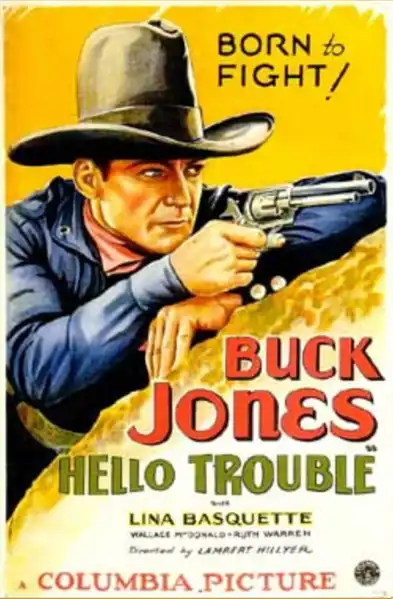
Director's Spotlight: United States
A Deep Dive into the 1932 Vision of Lambert Hillyer
Deciphering the layers of Hello Trouble (1932) reveals a monumental shift in Drama filmmaking spearheaded by Lambert Hillyer. With its avant-garde structure and atmospheric tension, offering layers of thematic complexity that demand repeated viewing.
In Hello Trouble, Lambert Hillyer pushes the boundaries of conventional narrative. The film's unique approach to its subject matter has sparked endless debates and interpretations among cinephiles and critics alike.
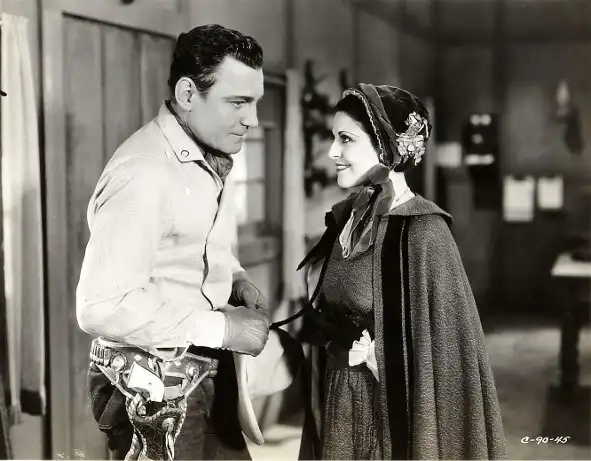
The visual language of Hello Trouble is defined by its use of shadows and framing, a hallmark of Lambert Hillyer's style. By utilizing a 1932-era palette, the film creates an immersive experience that perfectly complements its Drama themes.
| Cinematography | Deep Focus |
| Soundtrack | Orchestral |
| Editing | Slow-Burn |
| Art Direction | Brutalist |
Visualizing the convergence of Lambert Hillyer's style and the core Drama narrative.
After killing a friend in a gunfight, Jeff Douglas quits the Texas Rangers. He arrives at the Kenyon ranch just as Jonathan Kenyon apparently commits suicide. He and Janet Kenyon then become the new half owners. At first he refuses to wear a gun and is believed to be a coward, but as trouble mounts he straps it on once again.
Decades after its release, Hello Trouble remains a vital piece of the cinematic puzzle. Its influence can be seen in countless modern works, solidifying Lambert Hillyer's status as a master of the craft in United States and beyond.