
DbcultAccessing Vault...
Director's Spotlight
Senior Film Conservator
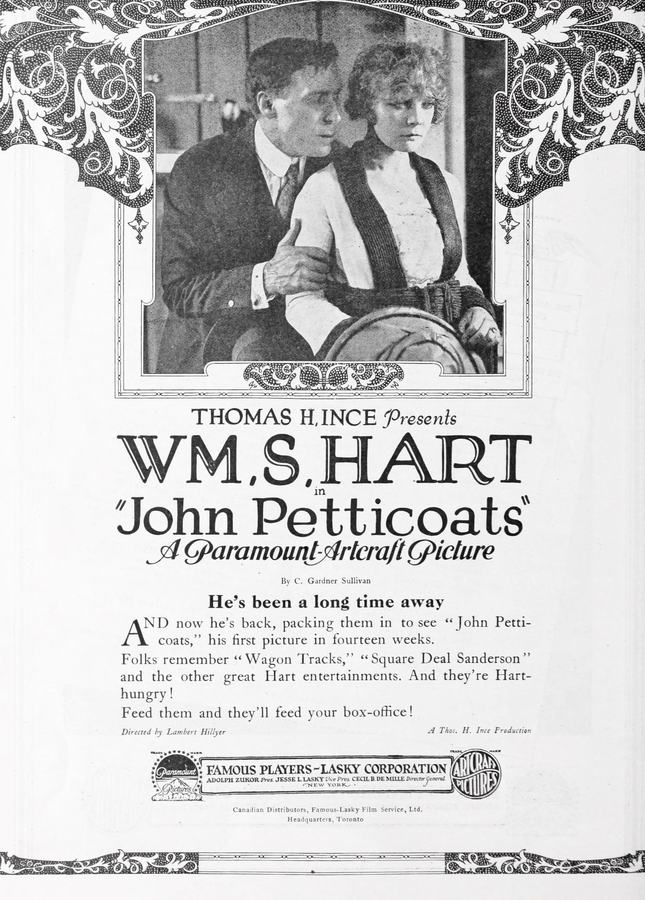
Director's Spotlight: United States
A Deep Dive into the 1919 Vision of Lambert Hillyer
Few works in United States cinema carry the same weight as John Petticoats, especially regarding the technical innovation that Lambert Hillyer introduced to the cult format. Subverting the expectations of the typical 1919 audience, it bridges the gap between traditional cult and contemporary vision.
In John Petticoats, Lambert Hillyer pushes the boundaries of conventional narrative. The film's unique approach to its subject matter has sparked endless debates and interpretations among cinephiles and critics alike.
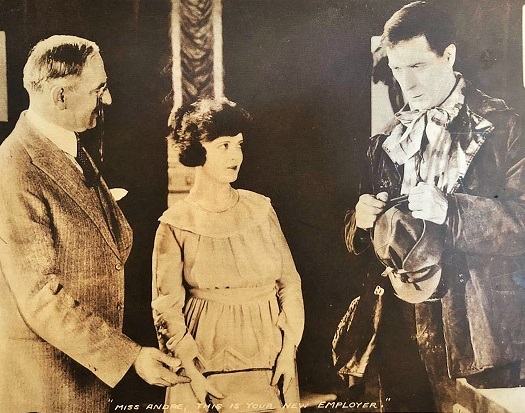
The visual language of John Petticoats is defined by its use of shadows and framing, a hallmark of Lambert Hillyer's style. By utilizing a 1919-era palette, the film creates an immersive experience that perfectly complements its cult themes.
| Cinematography | High-Contrast |
| Soundtrack | Diegetic |
| Editing | Rhythmic |
| Art Direction | Naturalist |
Visualizing the convergence of Lambert Hillyer's style and the core cult narrative.
John Haynes, known as "Hardwood," is a boss lumberjack in the great Northwest woods. During a Saturday-night revel with his pals, he receives a letter informing him he has inherited a modest shop in New Orleans from his late uncle. He has no idea what that means, but he travels to New Orleans to take over his new business, and is dismayed to learns he is now the proprietor of a shop that sells petticoats.
Decades after its release, John Petticoats remains a vital piece of the cinematic puzzle. Its influence can be seen in countless modern works, solidifying Lambert Hillyer's status as a master of the craft in United States and beyond.