
DbcultAccessing Vault...
Director's Spotlight
Senior Film Conservator
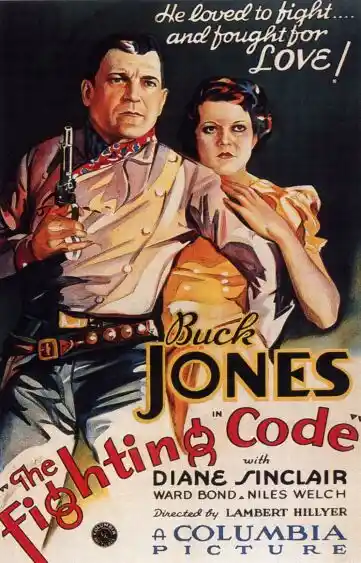
Director's Spotlight: United States
A Deep Dive into the 1933 Vision of Lambert Hillyer
Peeling back the layers of Lambert Hillyer's The Fighting Code exposes the collaborative alchemy between Lambert Hillyer and the 1933 creative team. Anchored by a narrative that is both personal and universal, it reinforces the idea that cinema is a medium of infinite possibilities.
In The Fighting Code, Lambert Hillyer pushes the boundaries of conventional narrative. The film's unique approach to its subject matter has sparked endless debates and interpretations among cinephiles and critics alike.
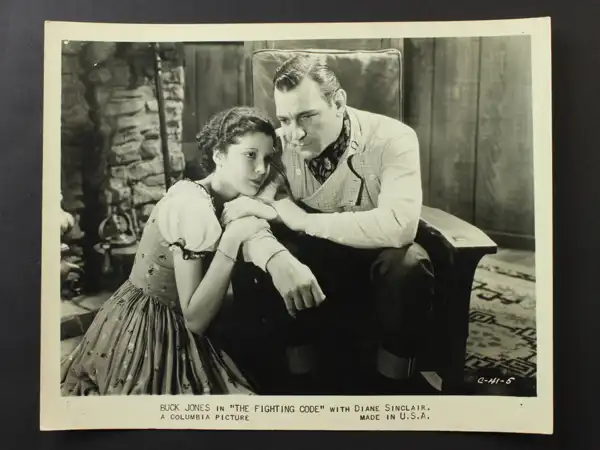
In this work, Lambert Hillyer explores the intersection of Drama and United States cultural identity. The meticulous attention to detail suggests a deep-seated commitment to pushing the boundaries of the medium, ensuring that The Fighting Code remains a relevant topic of study for Drama enthusiasts.
| Cinematography | Noir-Inspired |
| Soundtrack | Diegetic |
| Editing | Elliptical |
| Art Direction | Expressionist |
Visualizing the convergence of Lambert Hillyer's style and the core Drama narrative.
Ben Halliday stumbles upon a mysterious range killing and discovers letters in the dead man's pockets that reveal his intention to return to his native town where his sister, Helen James, is making a lone stand to hold her property that is desired by Joshua La Plante and his gunman Joe Krull. Meeting Helen, Ben realizes she has been parted from her brother so long that she would not recognize him, so Ben decides to pose as him. With the help of another new arrival, Barry, and Judge Williams, he uncovers a plot to secure Helen's property and build a dam in the canyon that would deprive the valley of water but would water the desert property owned by La Plante. Krull murders a surveyor and frames Ben who is thrown into jail, where he meets Crosby who furnishes proof of the guilt of La Plante and Krull. Ben breaks jail and he and Barry break into La Plante's office and hide in a wardrobe closet when Krull and La Plante enter. The later pair argue and Krull kills La Plante. Sheriff Olson arrives and Krull also blames Ben for his latest murder.
Decades after its release, The Fighting Code remains a vital piece of the cinematic puzzle. Its influence can be seen in countless modern works, solidifying Lambert Hillyer's status as a master of the craft in United States and beyond.