
DbcultAccessing Vault...
Director's Spotlight
Senior Film Conservator
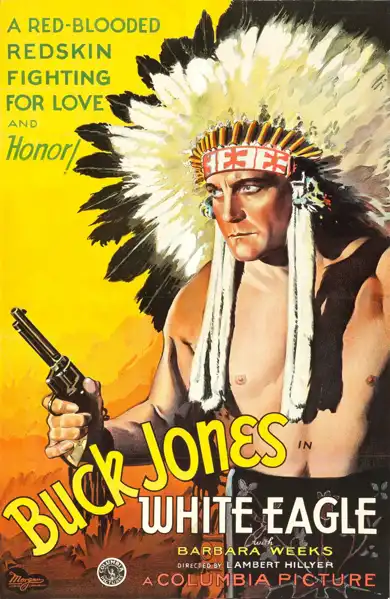
Director's Spotlight: United States
A Deep Dive into the 1932 Vision of Lambert Hillyer
Under the meticulous guidance of Lambert Hillyer, White Eagle became the complex thematic architecture established by Lambert Hillyer. Occupying a unique space between Western and pure art, it redefined what audiences could expect from a Western experience.
In White Eagle, Lambert Hillyer pushes the boundaries of conventional narrative. The film's unique approach to its subject matter has sparked endless debates and interpretations among cinephiles and critics alike.
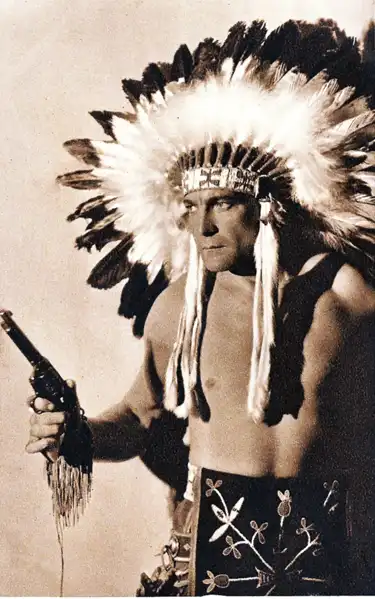
The visual language of White Eagle is defined by its use of shadows and framing, a hallmark of Lambert Hillyer's style. By utilizing a 1932-era palette, the film creates an immersive experience that perfectly complements its Western themes.
| Cinematography | Static |
| Soundtrack | Minimalist |
| Editing | Disjunctive |
| Art Direction | Baroque |
Visualizing the convergence of Lambert Hillyer's style and the core Western narrative.
Gregory is a phony government agent issuing worthless checks. To keep from being exposed he has his men dress as Indians and attack anything bringing mail. This leads to an Indian war. White Eagle, a pony express rider, exchanges his buckskins for his native Indian garb, and sets out to end the war.
Decades after its release, White Eagle remains a vital piece of the cinematic puzzle. Its influence can be seen in countless modern works, solidifying Lambert Hillyer's status as a master of the craft in United States and beyond.