
DbcultAccessing Vault...
Director's Spotlight
Senior Film Conservator
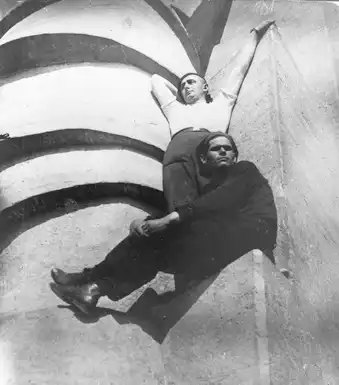
Director's Spotlight: Germany
A Deep Dive into the 1932 Vision of László Moholy-Nagy
Under the meticulous guidance of László Moholy-Nagy, Gross-Stadt Zigeuner became the complex thematic architecture established by László Moholy-Nagy. Occupying a unique space between Short and pure art, it redefined what audiences could expect from a Short experience.
In Gross-Stadt Zigeuner, László Moholy-Nagy pushes the boundaries of conventional narrative. The film's unique approach to its subject matter has sparked endless debates and interpretations among cinephiles and critics alike.
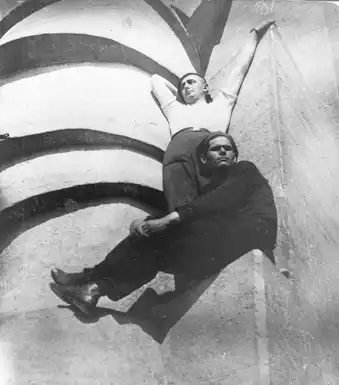
To fully appreciate Gross-Stadt Zigeuner, one must consider the cinematic climate of 1932. During this period, Germany was undergoing significant artistic shifts, and László Moholy-Nagy was at the forefront of this Short movement, often challenging established norms.
| Cinematography | High-Contrast |
| Soundtrack | Minimalist |
| Editing | Disjunctive |
| Art Direction | Baroque |
Visualizing the convergence of László Moholy-Nagy's style and the core Short narrative.
The daily lives of Roma in their winter quarters on the outskirts of Berlin, Germany.
Decades after its release, Gross-Stadt Zigeuner remains a vital piece of the cinematic puzzle. Its influence can be seen in countless modern works, solidifying László Moholy-Nagy's status as a master of the craft in Germany and beyond.