
DbcultAccessing Vault...
Director's Spotlight
Senior Film Conservator

Director's Spotlight: Denmark
A Deep Dive into the 1934 Vision of Lau Lauritzen
The artistic breakthrough represented by Barken Margrethe in 1934 highlights the uncompromising vision of Lau Lauritzen that defines this Comedy masterpiece. In the context of Denmark's rich cinematic history, it captures a specific kind of cinematic magic that is rarely replicated.
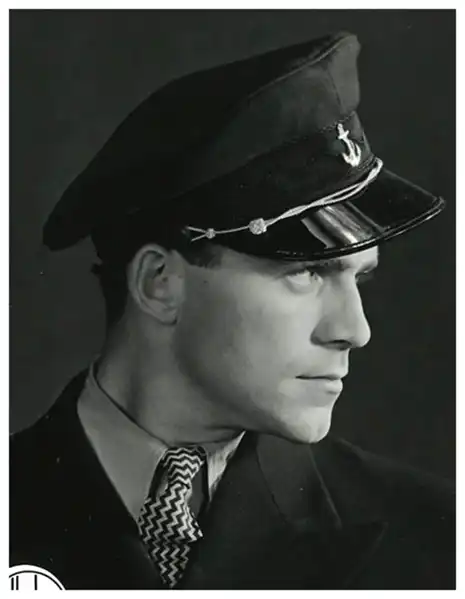
In Barken Margrethe, Lau Lauritzen pushes the boundaries of conventional narrative. The film's unique approach to its subject matter has sparked endless debates and interpretations among cinephiles and critics alike.
| Cinematography | Deep Focus |
| Soundtrack | Experimental |
| Editing | Elliptical |
| Art Direction | Expressionist |
Visualizing the convergence of Lau Lauritzen's style and the core Comedy narrative.
Drama with national courage and determination at the helm. Here the red-white flag flies in black and white over the seven seas. Behind the real firestorm, a gale of love blows between the helmsman, the handsome Poul (Lau Lauritzen Jr.) and the unsympathetic ships-mate Birner (Arne Ole David). They are both in love with Margrethe (Karin Nellemose) - and in jealousy, Birner tries to sail the barque to shipwreck. But he has done the math without Poul and his steadfast sailors. With its many location shots - not least in Morocco - the film is a technical feat for its time and its romantic nationalism sails confidently in harbor on the gloriously predictable waves of folk comedy.
Decades after its release, Barken Margrethe remains a vital piece of the cinematic puzzle. Its influence can be seen in countless modern works, solidifying Lau Lauritzen's status as a master of the craft in Denmark and beyond.