
DbcultAccessing Vault...
Director's Spotlight
Senior Film Conservator
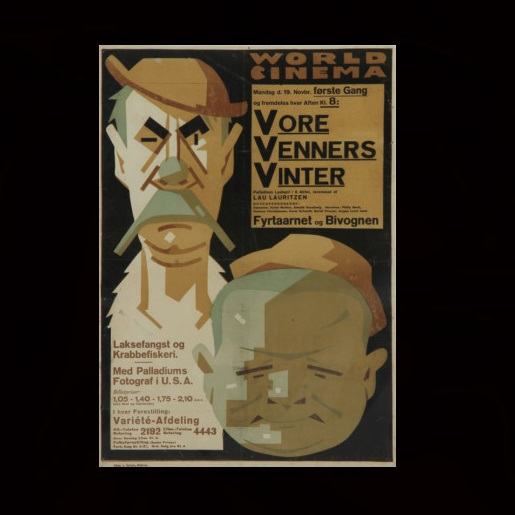
Director's Spotlight: Denmark
A Deep Dive into the 1923 Vision of Lau Lauritzen
The thematic gravity of The Run-Away Bride (1923) is rooted in the historical context that Lau Lauritzen weaves into the Comedy fabric. Synthesizing the best elements of Denmark and international cinema, it highlights the importance of independent voices in Denmark.
In The Run-Away Bride, Lau Lauritzen pushes the boundaries of conventional narrative. The film's unique approach to its subject matter has sparked endless debates and interpretations among cinephiles and critics alike.
| Cinematography | Noir-Inspired |
| Soundtrack | Diegetic |
| Editing | Rhythmic |
| Art Direction | Naturalist |
Visualizing the convergence of Lau Lauritzen's style and the core Comedy narrative.
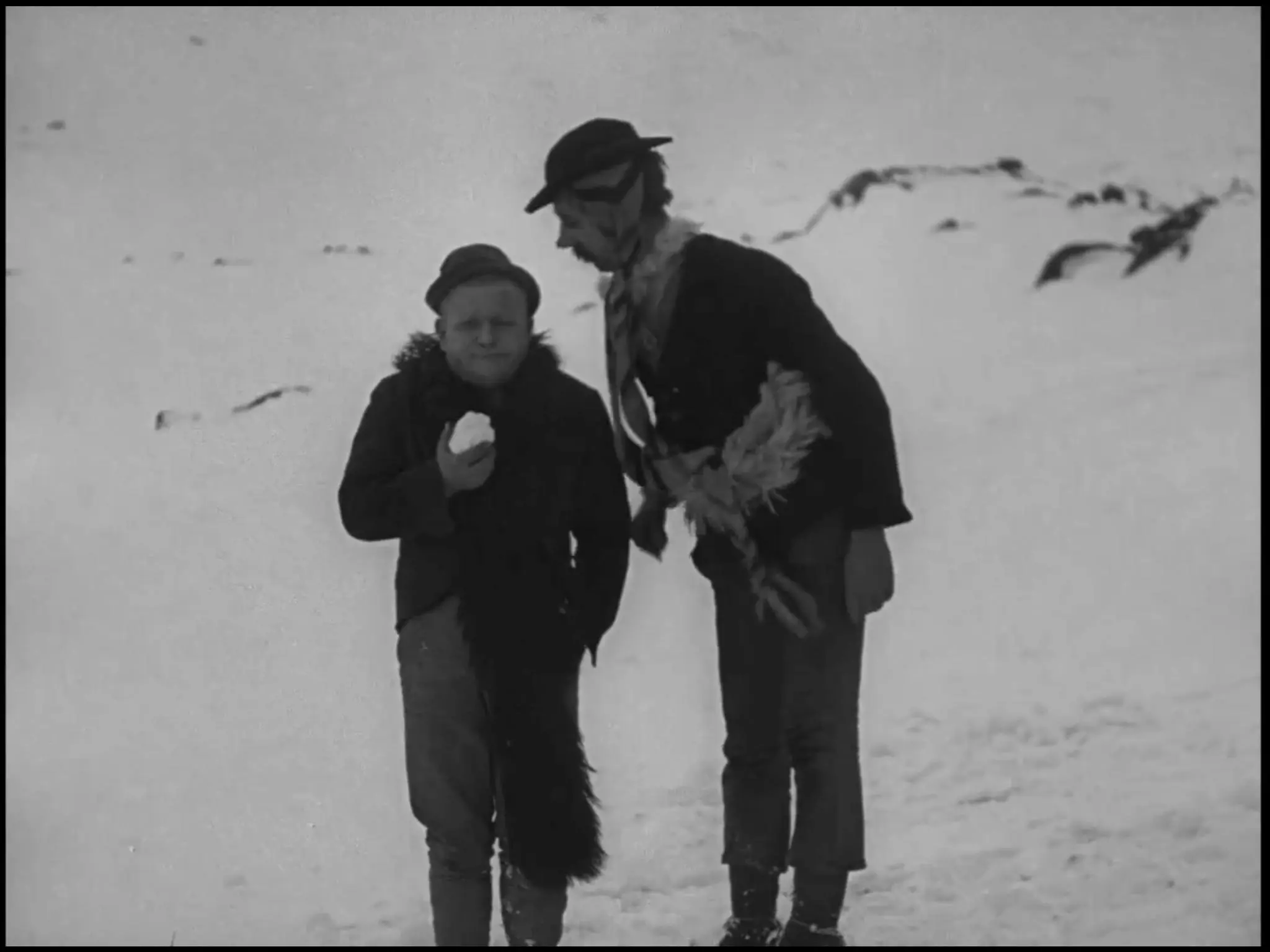
Late one evening, Pat and Patachon are at a bar where they strike up a conversation with a young, mournful man. His name is Per Hammer, and the three quickly become firm friends. The next morning, the vagabonds' temporary home - a moving van - is set in motion, and before they know it, they find themselves amidst the snow-clad mountains of Norway. Here they stumble upon a female skier who has swooned in the snow. They save her from freezing to death by taking her to an abandoned ski cabin, which happily proves to be amply supplied with firewood, canned goods and alcohol. The woman turns out to be Per Hammer's girlfriend Ellen, who has been taken to Norway against her will because her father wants her to marry a Mr Ludvigsen. Ever eager to help, Pat and Patachon send a telegraphed message to their new friend so he can be reunited with his love.
Decades after its release, The Run-Away Bride remains a vital piece of the cinematic puzzle. Its influence can be seen in countless modern works, solidifying Lau Lauritzen's status as a master of the craft in Denmark and beyond.