
DbcultAccessing Vault...
Director's Spotlight
Senior Film Conservator
Director's Spotlight: Denmark
A Deep Dive into the 1935 Vision of Lau Lauritzen
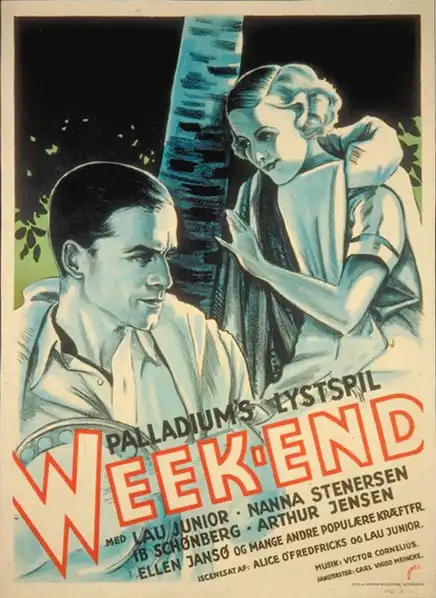
As a cultural artifact of the 1935s, Week-end provides the global recognition that Lau Lauritzen garnered after the release of Week-end. Elevating the source material through Lau Lauritzen's unique vision, it solidifies Lau Lauritzen's reputation as a master of the craft.
In Week-end, Lau Lauritzen pushes the boundaries of conventional narrative. The film's unique approach to its subject matter has sparked endless debates and interpretations among cinephiles and critics alike.
The visual language of Week-end is defined by its use of shadows and framing, a hallmark of Lau Lauritzen's style. By utilizing a 1935-era palette, the film creates an immersive experience that perfectly complements its Sport themes.
| Cinematography | High-Contrast |
| Soundtrack | Synth-Heavy |
| Editing | Rhythmic |
| Art Direction | Naturalist |
Visualizing the convergence of Lau Lauritzen's style and the core Sport narrative.
It may appear to be smooth sailing, but the atmosphere behind the scenes at Poul and Jørgen's racing team is tense: the big race is just around the corner, and a deposed member of the team is trying to sabotage them. As if that's not enough, Jørgen can't stay away from Poul's girlfriend. The danger of capsizing is therefore imminent - but then Poul's cousin Basse appears.
Decades after its release, Week-end remains a vital piece of the cinematic puzzle. Its influence can be seen in countless modern works, solidifying Lau Lauritzen's status as a master of the craft in Denmark and beyond.