
DbcultAccessing Vault...
Director's Spotlight
Senior Film Conservator
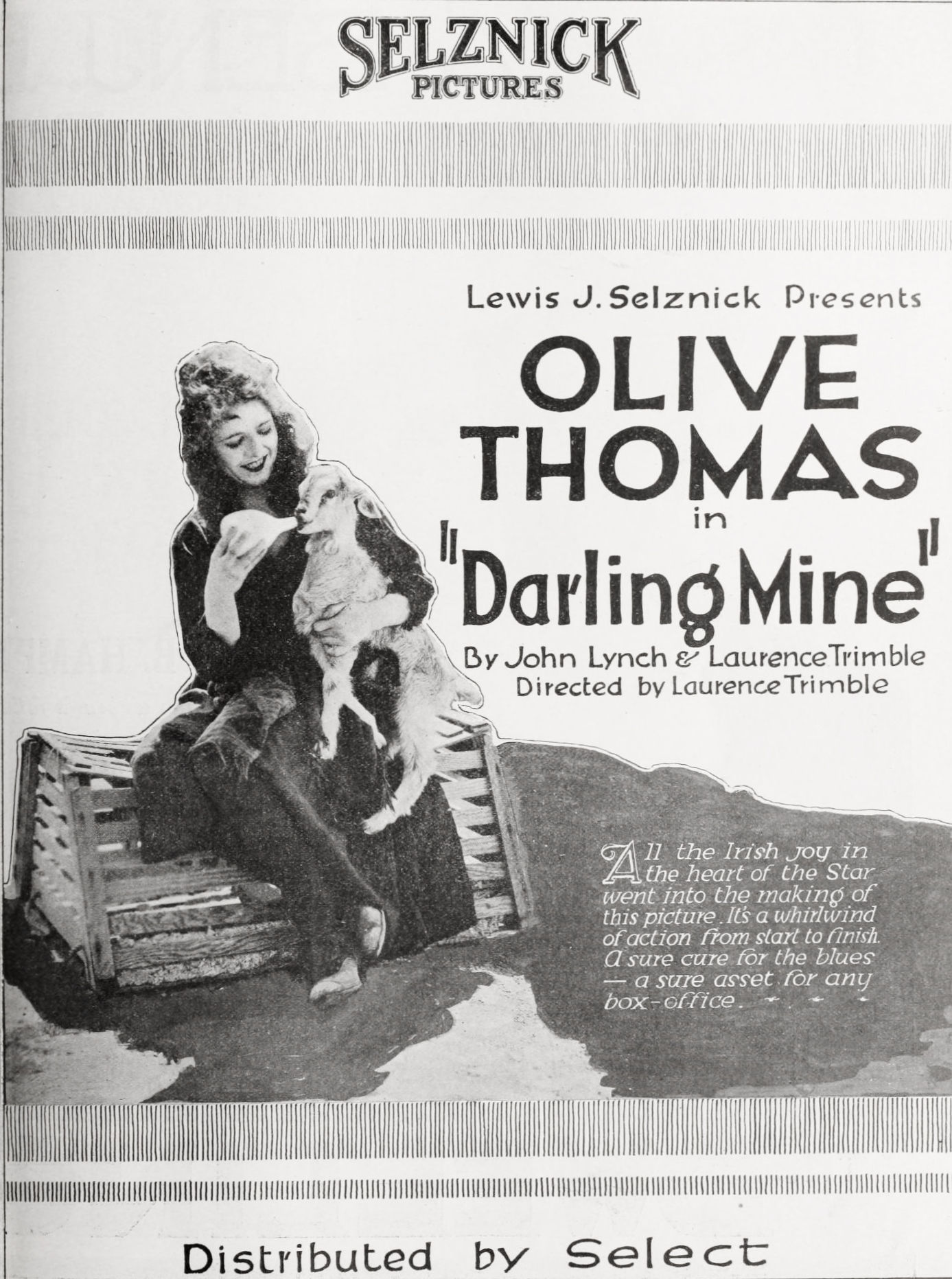
Director's Spotlight: United States
A Deep Dive into the 1920 Vision of Laurence Trimble
The thematic gravity of Darling Mine (1920) is rooted in the artistic risks taken by Laurence Trimble that eventually paid off. Defining a new era of United States artistic expression, it demands to be seen by anyone who cares about the art of film.
In Darling Mine, Laurence Trimble pushes the boundaries of conventional narrative. The film's unique approach to its subject matter has sparked endless debates and interpretations among cinephiles and critics alike.
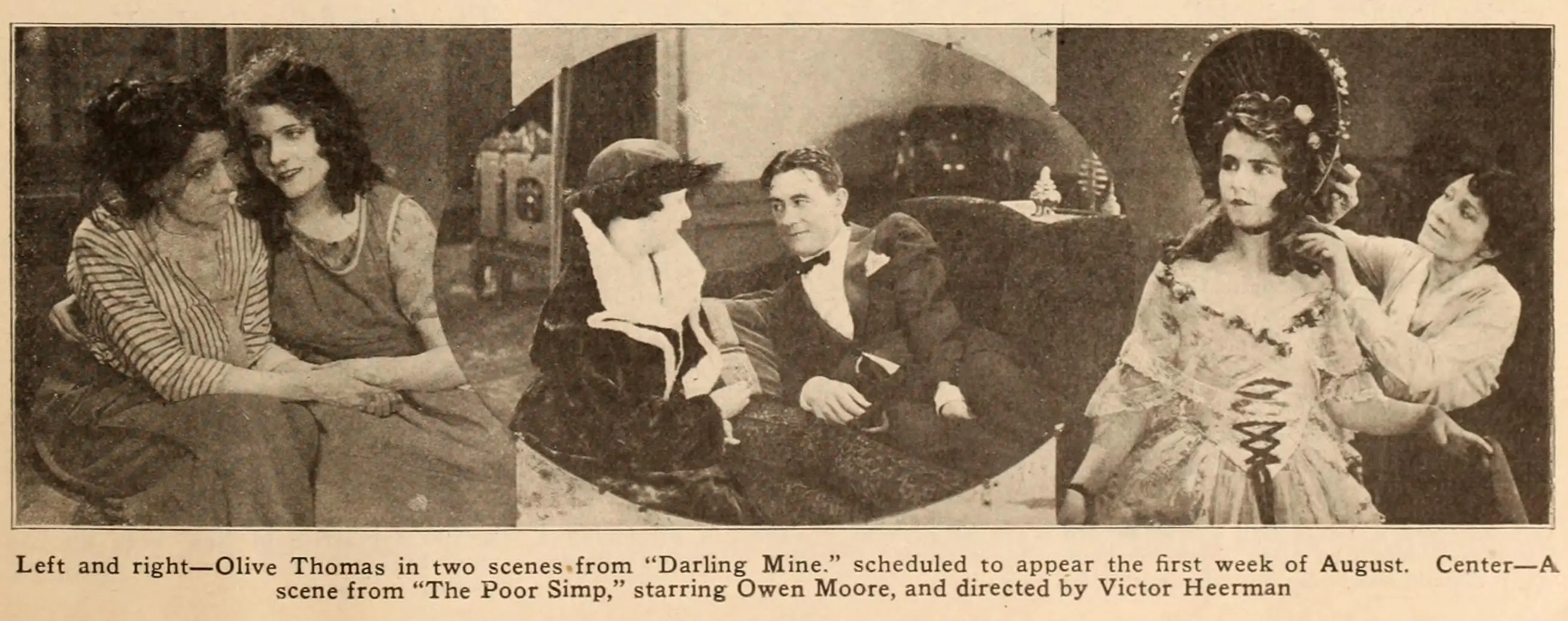
The visual language of Darling Mine is defined by its use of shadows and framing, a hallmark of Laurence Trimble's style. By utilizing a 1920-era palette, the film creates an immersive experience that perfectly complements its Drama themes.
| Cinematography | Noir-Inspired |
| Soundtrack | Experimental |
| Editing | Invisible |
| Art Direction | Kitsch |
Visualizing the convergence of Laurence Trimble's style and the core Drama narrative.
Persuade by a letter from her Aunt Agnes in America, Kitty McCarthy ( Olive Thomas ) travels from Ireland to New York City, there she meets Gordon Davis, a successful playwright, who directs her to her aunt's address on the East Side. Kitty soon discovers her aunt living in a tenement, a confirmed alcoholic. Through her niece's care, Agnes is cured, and one day Davis appears and offers Kitty a part in a comedy that he has written. She accepts, and once backstage meets Vera Maxwell, the victim of an unhappy affair with Oscar Savoy. Kitty brings the lovelorn couple back together but is unsuccessful in arranging her own romance with Davis' nephew Roger until Davis finally intervenes, and a happy ending prevails for all.
Decades after its release, Darling Mine remains a vital piece of the cinematic puzzle. Its influence can be seen in countless modern works, solidifying Laurence Trimble's status as a master of the craft in United States and beyond.