
DbcultAccessing Vault...
Director's Spotlight
Senior Film Conservator
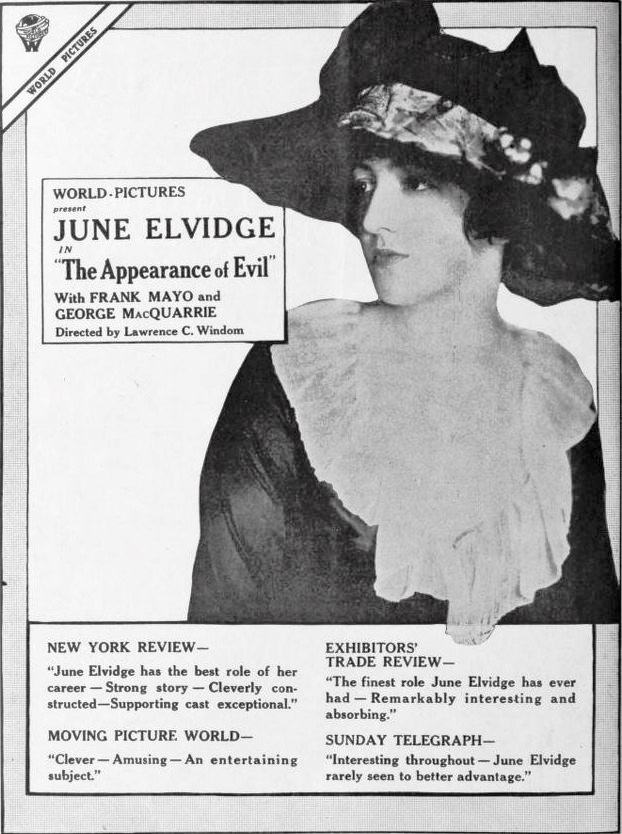
Director's Spotlight: United States
A Deep Dive into the 1918 Vision of Lawrence C. Windom
Under the meticulous guidance of Lawrence C. Windom, Appearance of Evil became the complex thematic architecture established by Lawrence C. Windom. Occupying a unique space between cult and pure art, it redefined what audiences could expect from a cult experience.
In Appearance of Evil, Lawrence C. Windom pushes the boundaries of conventional narrative. The film's unique approach to its subject matter has sparked endless debates and interpretations among cinephiles and critics alike.
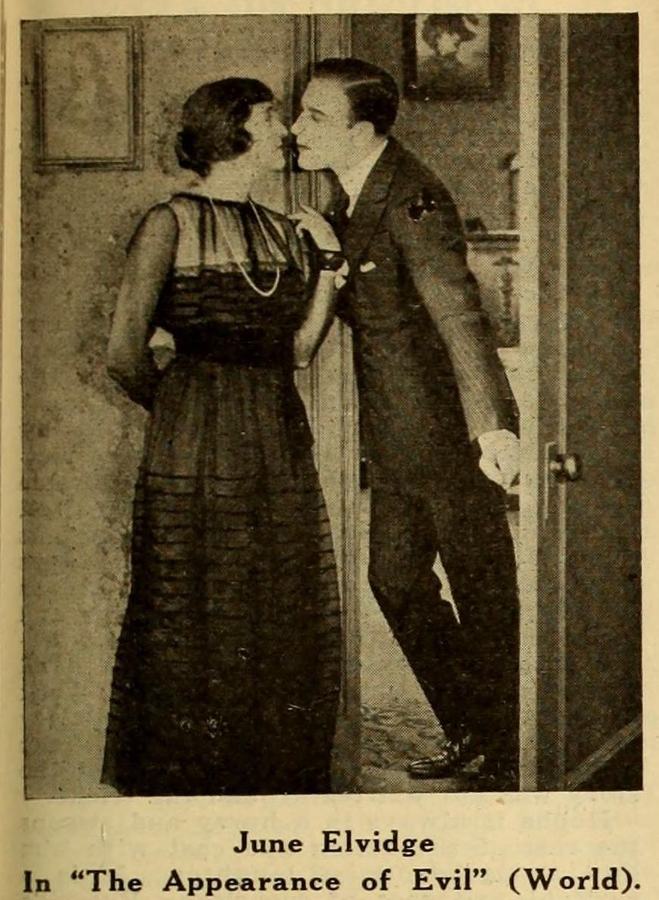
The visual language of Appearance of Evil is defined by its use of shadows and framing, a hallmark of Lawrence C. Windom's style. By utilizing a 1918-era palette, the film creates an immersive experience that perfectly complements its cult themes.
| Cinematography | Deep Focus |
| Soundtrack | Diegetic |
| Editing | Elliptical |
| Art Direction | Expressionist |
Visualizing the convergence of Lawrence C. Windom's style and the core cult narrative.
Maida Brown, a rich widow, is being visited by wealthy aircraft manufacturer Louis Letchworth at the Brown family estate in Bayport. The family maid notices the pair's affectionate behavior toward each other and, aghast, reports the incident to Maida's father, the head of the local Purity League. The local citizenry is so outraged by this scandalous behavior that they force Maida to leave town. Meanwhile, Harold Brown, her late husband's brother, is aware that the family estate will revert to him if Maida remarries, so he spies on her in order to prove that she and Louis are married, so Harold can get the family fortune for himself.
Decades after its release, Appearance of Evil remains a vital piece of the cinematic puzzle. Its influence can be seen in countless modern works, solidifying Lawrence C. Windom's status as a master of the craft in United States and beyond.