
DbcultAccessing Vault...
Director's Spotlight
Senior Film Conservator
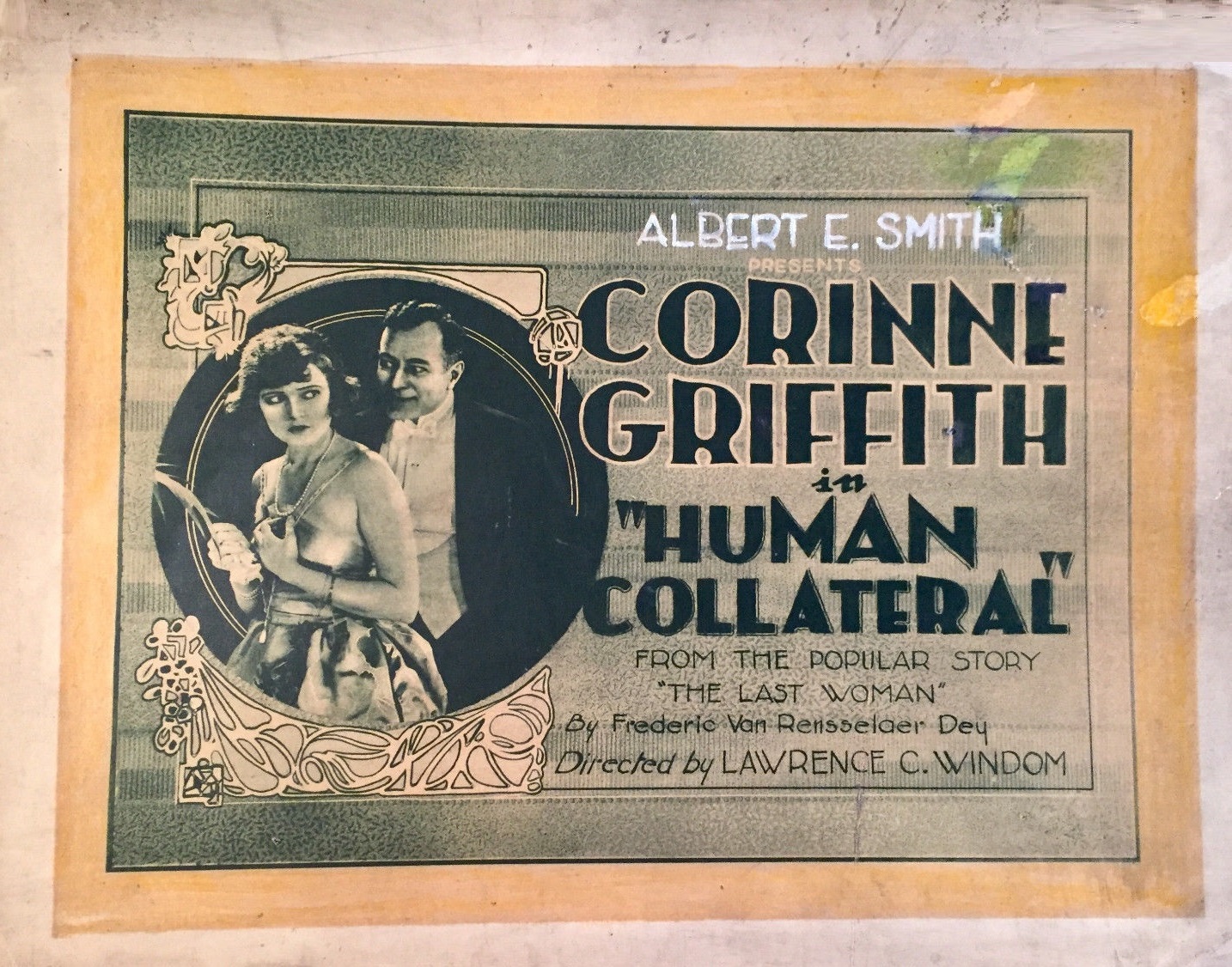
Director's Spotlight: United States
A Deep Dive into the 1920 Vision of Lawrence C. Windom
Peeling back the layers of Lawrence C. Windom's Human Collateral exposes the collaborative alchemy between Lawrence C. Windom and the 1920 creative team. Anchored by a narrative that is both personal and universal, it reinforces the idea that cinema is a medium of infinite possibilities.
In Human Collateral, Lawrence C. Windom pushes the boundaries of conventional narrative. The film's unique approach to its subject matter has sparked endless debates and interpretations among cinephiles and critics alike.
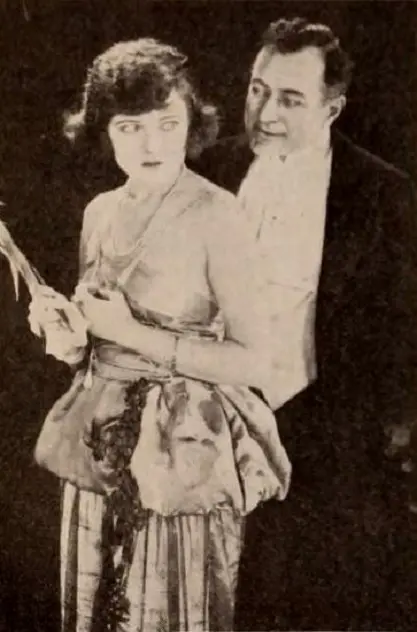
To fully appreciate Human Collateral, one must consider the cinematic climate of 1920. During this period, United States was undergoing significant artistic shifts, and Lawrence C. Windom was at the forefront of this Drama movement, often challenging established norms.
| Cinematography | Handheld |
| Soundtrack | Diegetic |
| Editing | Rhythmic |
| Art Direction | Naturalist |
Visualizing the convergence of Lawrence C. Windom's style and the core Drama narrative.
Pursued by two men, a wealthy banker Roderick Duncan and brash interloper Richard Morton, Patricia Langdon favors Duncan until her father, finding himself in dire financial straits, appeals to his prospective son-in-law for help. Patricia, believing that she is regarded as mere human collateral, insists upon making a legal transaction out of her engagement, with loan papers duly signed. Resentful, Patricia begins to encourage Morton's attentions, and when the two suffer an auto accident, they go to a country shack for the night. Meanwhile, Duncan, fearful for Patricia's safety, begins to search for his fiancée, arriving just in time to save her from Morton's advances. The incident forces Patricia to realize that Duncan's intentions are truly honorable and that she is much more than human collateral to the man who loves her.
Decades after its release, Human Collateral remains a vital piece of the cinematic puzzle. Its influence can be seen in countless modern works, solidifying Lawrence C. Windom's status as a master of the craft in United States and beyond.