
DbcultAccessing Vault...
Director's Spotlight
Senior Film Conservator
Director's Spotlight: United States
A Deep Dive into the 1922 Vision of Lawrence C. Windom
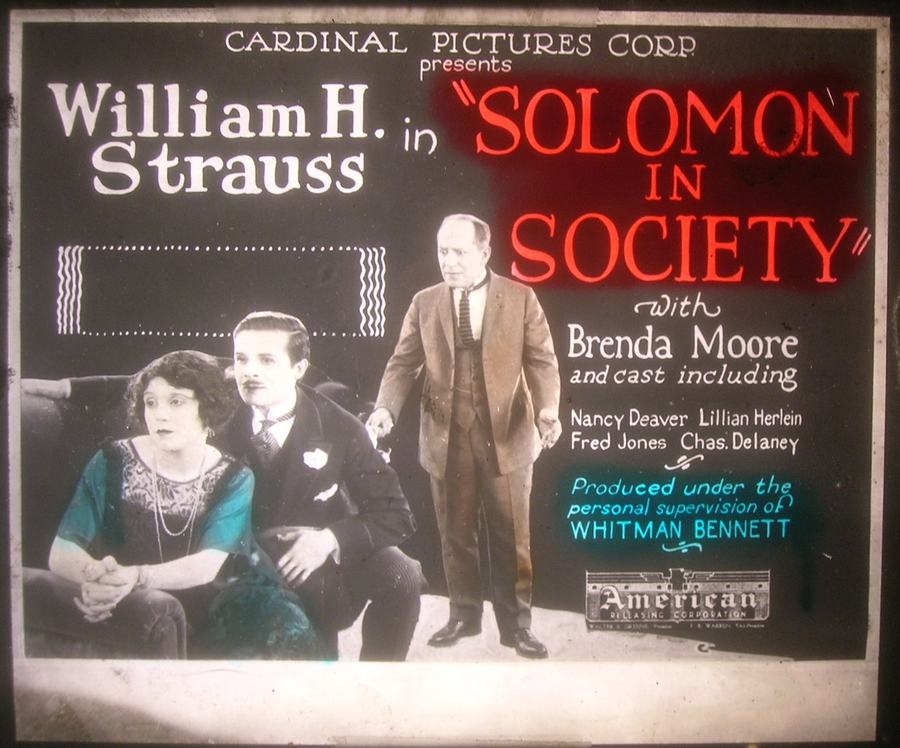
The Drama DNA of Solomon in Society is a reflection of United States's the subversive storytelling techniques employed by Lawrence C. Windom in 1922. Breaking the traditional rules of Drama engagement, it leaves an indelible mark on the soul of the viewer.
In Solomon in Society, Lawrence C. Windom pushes the boundaries of conventional narrative. The film's unique approach to its subject matter has sparked endless debates and interpretations among cinephiles and critics alike.
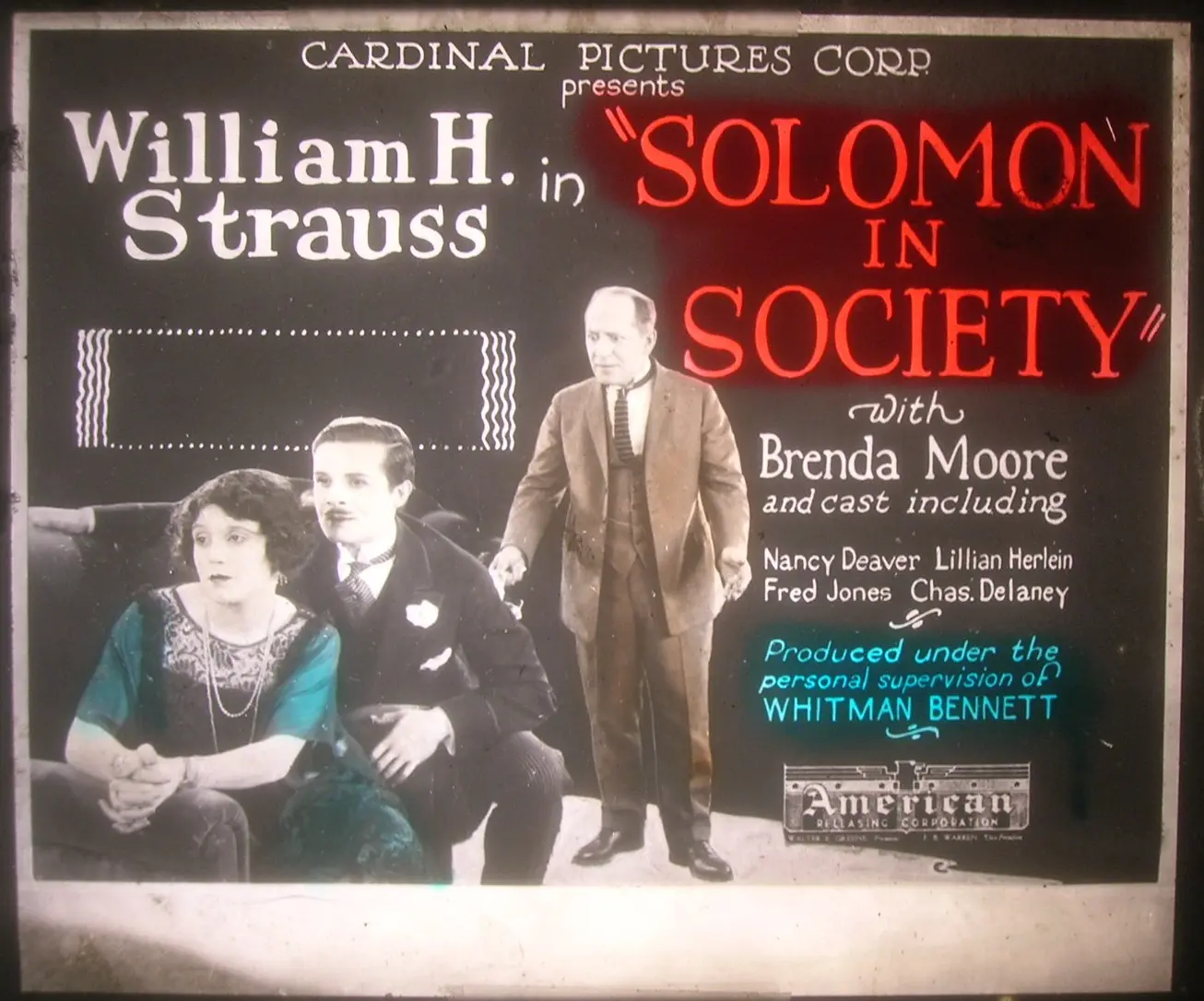
While deeply rooted in United States, Solomon in Society has achieved a global reach, influencing directors from various backgrounds. Its ability to translate Drama tropes into a universal cinematic language is why it remains a cult staple decades after its 1922 release.
| Cinematography | Handheld |
| Soundtrack | Orchestral |
| Editing | Slow-Burn |
| Art Direction | Brutalist |
Visualizing the convergence of Lawrence C. Windom's style and the core Drama narrative.
I. Solomon, a humble tailor on New York's East Side, dreams of being a designer with a shop on Fifth Avenue, but he makes no headway until a dress that he designs for Mary Bell, a laundress who suddenly becomes a movie star, attracts attention and becomes popular. Three years later Solomon has a successful Fifth Avenue shop, but his prosperity is too much for his wife, Rosie, who succumbs to a scheming Greenwich Village pianist, Orlando Kolin. Resigned to giving Rosie her freedom, Solomon, with Mary's help, stages evidence to give Rosie a reason for divorce. Fortunately, Rosie realizes her mistake in time and falls into Solomon's arms; Mary resumes her romance with Solomon's lawyer.
Decades after its release, Solomon in Society remains a vital piece of the cinematic puzzle. Its influence can be seen in countless modern works, solidifying Lawrence C. Windom's status as a master of the craft in United States and beyond.