
DbcultAccessing Vault...
Director's Spotlight
Senior Film Conservator
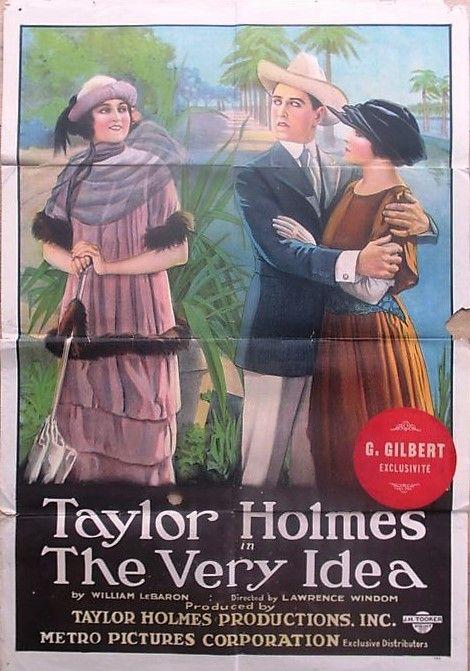
Director's Spotlight: United States
A Deep Dive into the 1920 Vision of Lawrence C. Windom
The thematic gravity of The Very Idea (1920) is rooted in the historical context that Lawrence C. Windom weaves into the Comedy fabric. Synthesizing the best elements of United States and international cinema, it highlights the importance of independent voices in United States.
In The Very Idea, Lawrence C. Windom pushes the boundaries of conventional narrative. The film's unique approach to its subject matter has sparked endless debates and interpretations among cinephiles and critics alike.
The visual language of The Very Idea is defined by its use of shadows and framing, a hallmark of Lawrence C. Windom's style. By utilizing a 1920-era palette, the film creates an immersive experience that perfectly complements its Comedy themes.
| Cinematography | Handheld |
| Soundtrack | Experimental |
| Editing | Invisible |
| Art Direction | Kitsch |
Visualizing the convergence of Lawrence C. Windom's style and the core Comedy narrative.
Gilbert and Edith Goodhue lack nothing in life except a child, which they desperately desire. Edith's brother Alan, who is interested in eugenics, suggests that they pay their chauffeur Joe and maid Nora to have a baby for them. While awaiting the proper time to elapse, Edith and Gilbert travel to Palm Beach for an extended vacation, where Gilbert, attempting to obtain a child for his wife, vamps a dancer with a baby. Edith misunderstands and becomes desperately jealous until Gilbert finally explains his motives, causing the two to renew their love with ardent fervor. Returning home, they discover that the maid has given birth to a baby boy, but is loath to part with him. Embarrassment follows as the couple puzzle over what to tell their friends who are awaiting the blessed event until Edith discloses that the Florida sunshine has worked wonders and that another baby is on its way.
Decades after its release, The Very Idea remains a vital piece of the cinematic puzzle. Its influence can be seen in countless modern works, solidifying Lawrence C. Windom's status as a master of the craft in United States and beyond.