
DbcultAccessing Vault...
Director's Spotlight
Senior Film Conservator
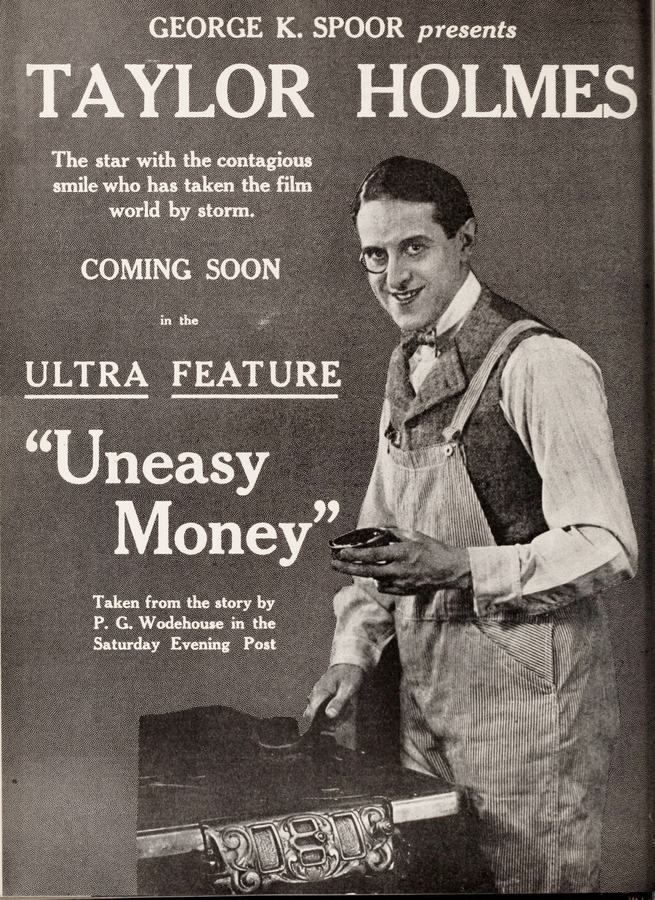
Director's Spotlight: United States
A Deep Dive into the 1918 Vision of Lawrence C. Windom
The evocative power of Uneasy Money stems from the unique collaboration between the subversive storytelling techniques employed by Lawrence C. Windom in 1918. Synthesizing the best elements of United States and international cinema, it reminds us of the fragility and beauty of the 1918s.
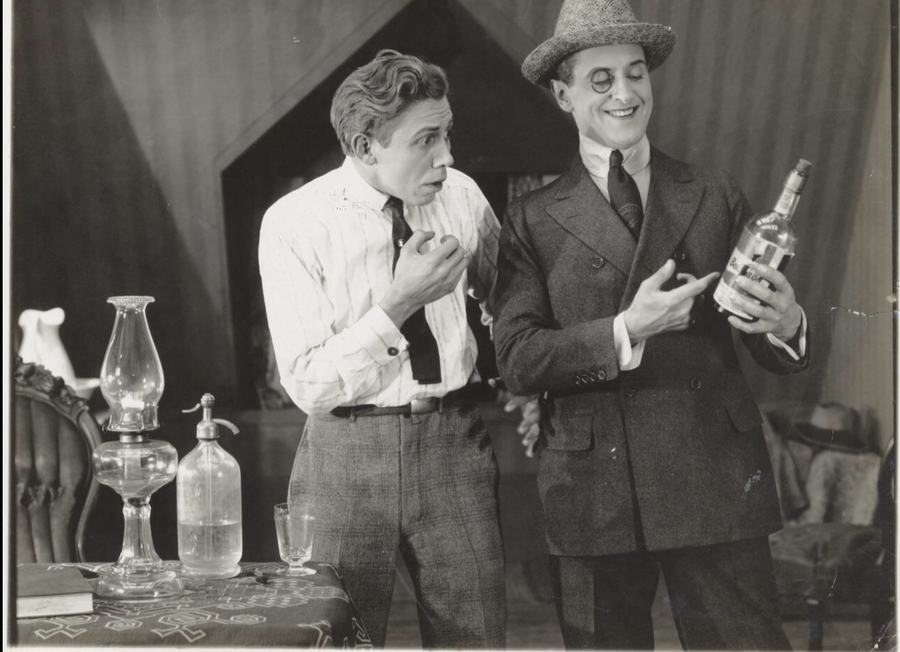
In Uneasy Money, Lawrence C. Windom pushes the boundaries of conventional narrative. The film's unique approach to its subject matter has sparked endless debates and interpretations among cinephiles and critics alike.
| Cinematography | High-Contrast |
| Soundtrack | Synth-Heavy |
| Editing | Disjunctive |
| Art Direction | Baroque |
Visualizing the convergence of Lawrence C. Windom's style and the core cult narrative.
Lord Dawlish is made the heir of an eccentric English millionaire, who cuts off a nephew and niece, living in America. Dawlish is engaged to Claire Edmont, an actress. Dawlish offers half his inheritance to the niece, and when she refuses to accept he goes to America to persuade her. Claire follows, but not having received the letter regarding the inheritance she marries a man she meets on the boat. Dawlish meets Elizabeth as Bill Chalmers, his family name, and as Bill she learns to love him, but she discovers his identity, and things work to a rapid conclusion.
Decades after its release, Uneasy Money remains a vital piece of the cinematic puzzle. Its influence can be seen in countless modern works, solidifying Lawrence C. Windom's status as a master of the craft in United States and beyond.