
DbcultAccessing Vault...
Director's Spotlight
Senior Film Conservator
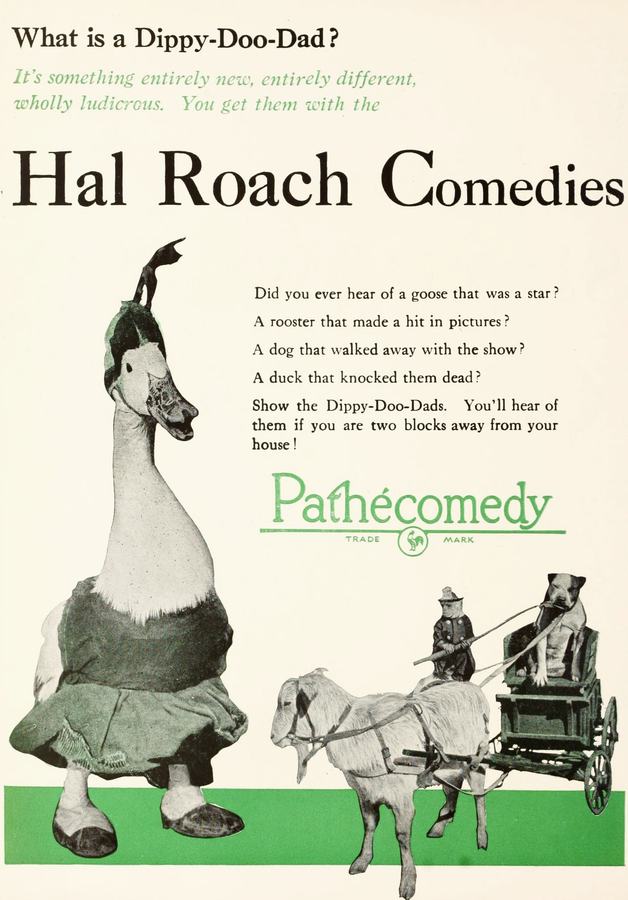
Director's Spotlight: United States
A Deep Dive into the 1923 Vision of Len Powers
To understand the modern evolution of United States film, one must first look at Don't Flirt and the meticulous attention to detail that Len Powers applied to every frame. Reflecting the political and social shifts of the 1923s, it showcases the power of Short as a tool for social commentary.
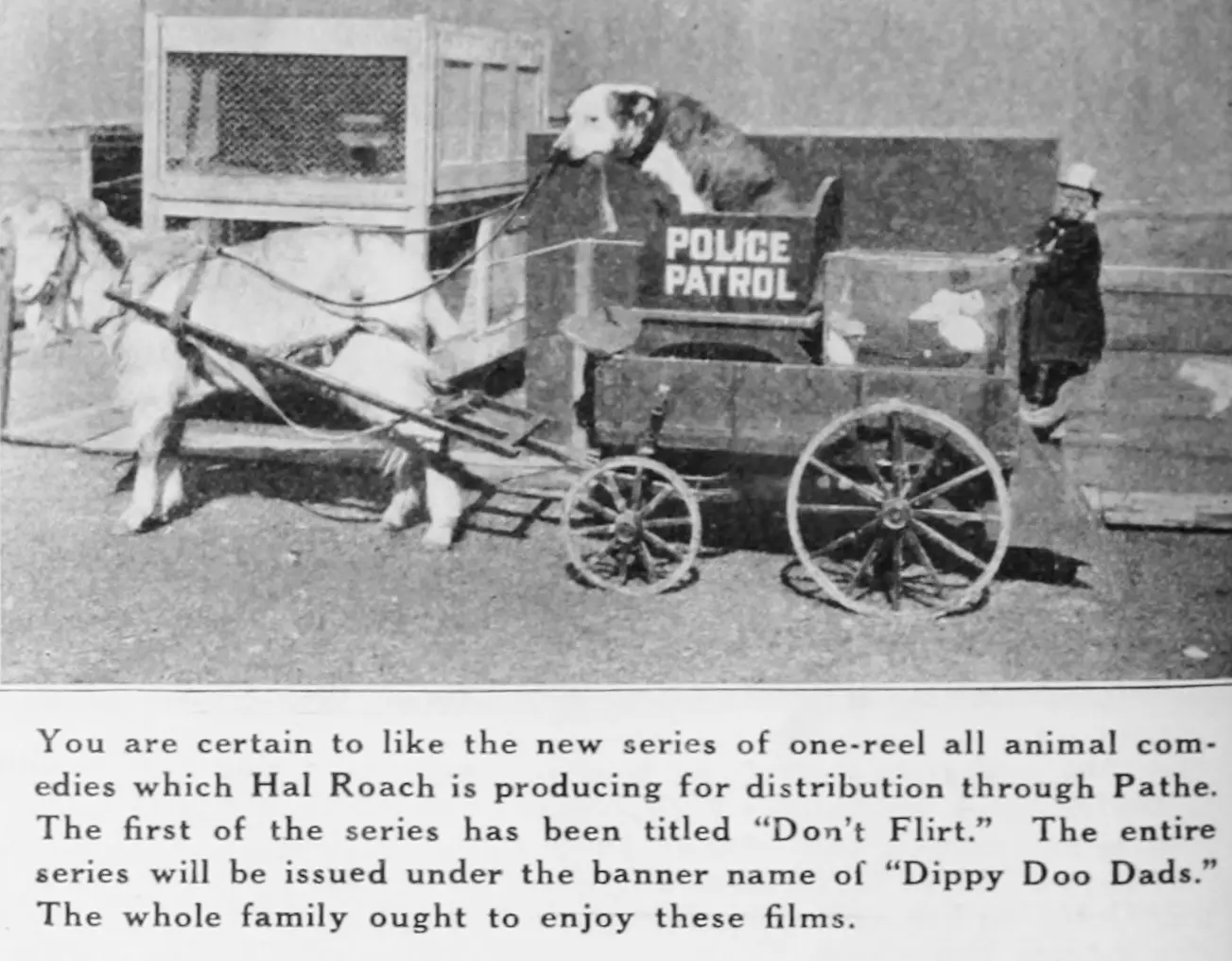
In Don't Flirt, Len Powers pushes the boundaries of conventional narrative. The film's unique approach to its subject matter has sparked endless debates and interpretations among cinephiles and critics alike.
| Cinematography | High-Contrast |
| Soundtrack | Minimalist |
| Editing | Slow-Burn |
| Art Direction | Brutalist |
Visualizing the convergence of Len Powers's style and the core Short narrative.
Mr. Gander, who in the role of a "city slicker," trifles with the hearts of the "fair ones" in the poultry yard. The "village gossips," played by two hens, bring word of the scandal to "father" gander who promptly calls in the service of the local constable, a clever monkey, to rid the poultry yard of the nuisance. The rest of the action shows how Mr. Gander is pursued, captured, and properly disciplined.
Decades after its release, Don't Flirt remains a vital piece of the cinematic puzzle. Its influence can be seen in countless modern works, solidifying Len Powers's status as a master of the craft in United States and beyond.